Choose logo method after the material route is clear
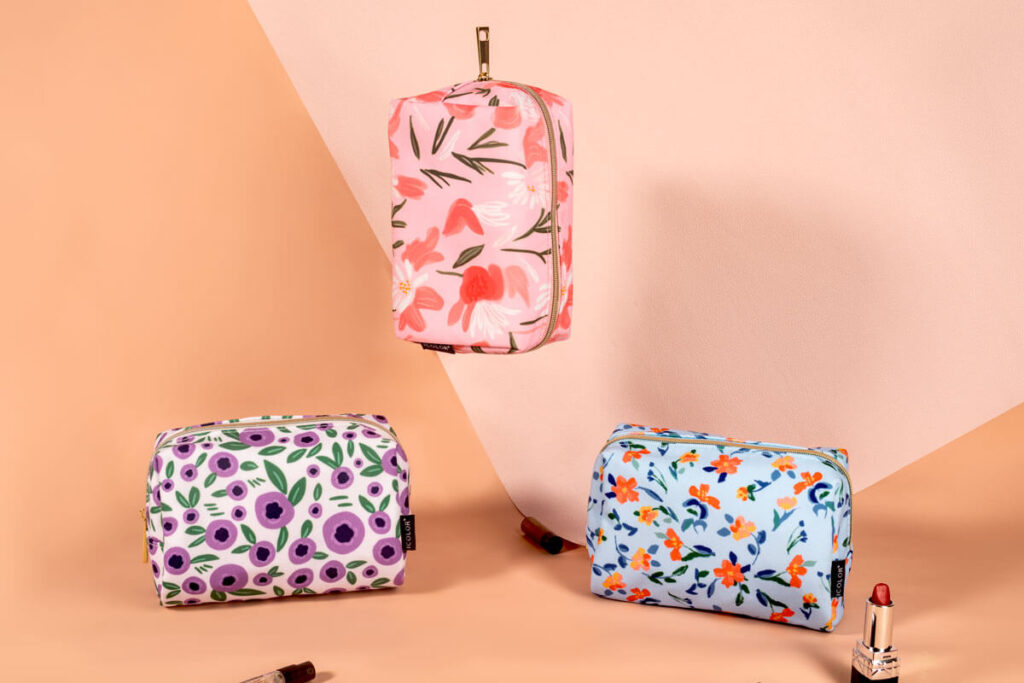
A cosmetic bag logo method should not be chosen from a logo file alone. A beauty brand may use linen or cotton for a natural launch, RPET for a recycled-material route, velvet for a softer gift feel, or a structured synthetic surface for retail-ready kits. The same artwork can look sharp on one material and weak on another.
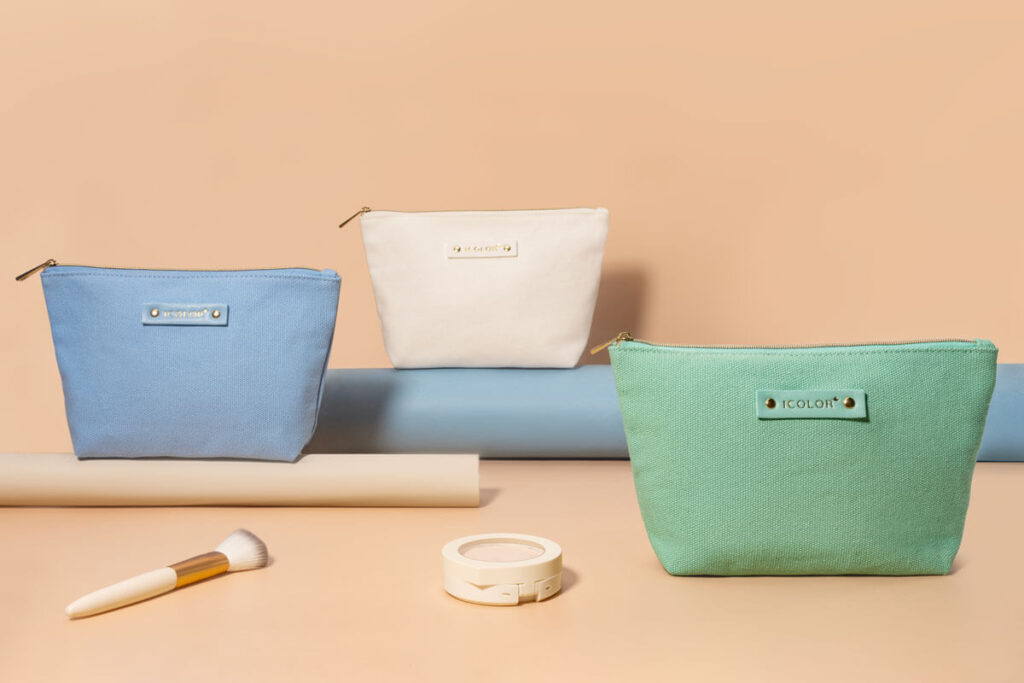
Silk screen is often practical for clear solid artwork, but textured fabric can soften small type. A woven label gives stable color and detail across materials, but it adds a sewn component and visible placement tolerance. Hot stamping can look premium on some surfaces, but it needs adhesion and edge testing. Embroidery can feel tactile, but small logo details may close up on dense fabric.
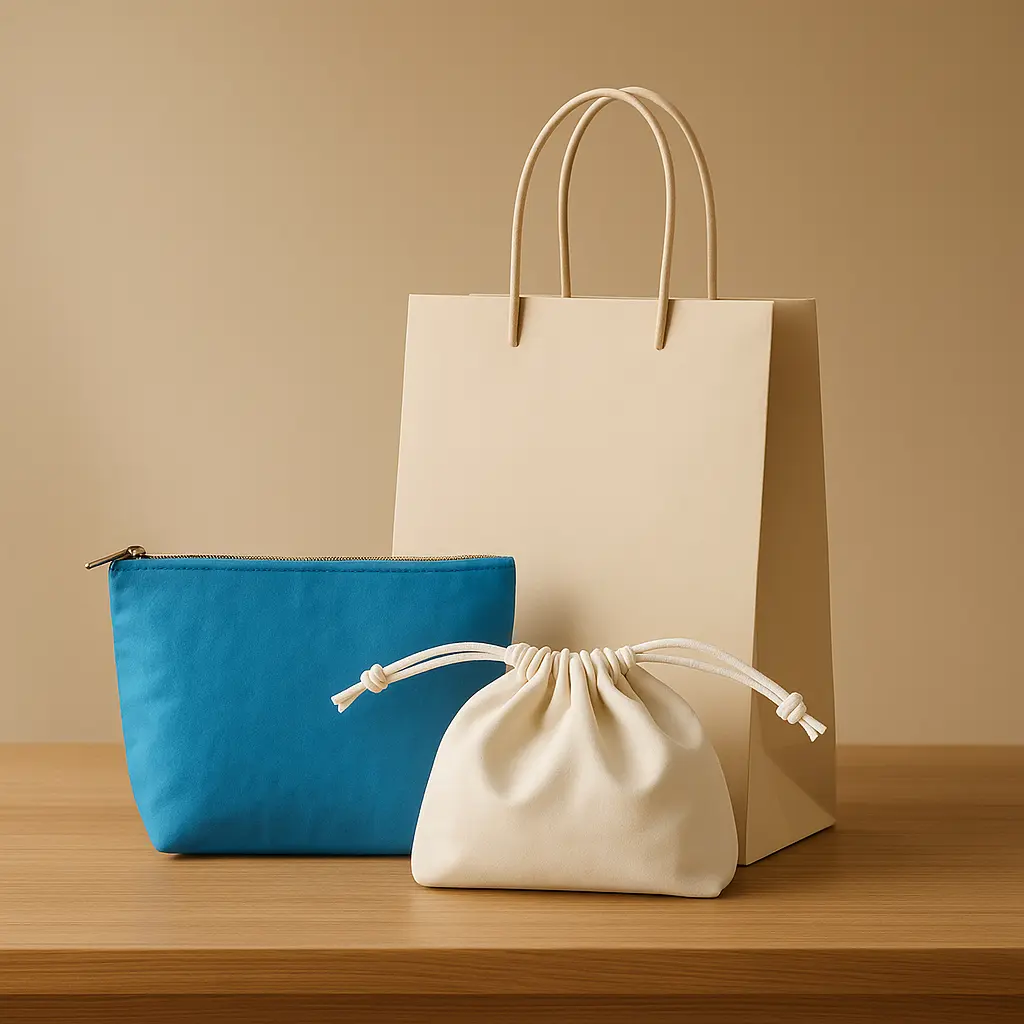
Color proofing matters because brand color appears differently on fabric and paper. A beauty launch may use a cosmetic bag, hangtag, belly band and paper box together. The supplier should review the fabric swatch beside the paper card and box material; Pantone color communication1 can support color communication, but final approval still needs the physical sample.

Logo route matrix for beauty pouches
Send these details before asking for a final quote
- ✓ Bag size, opening shape, zipper or drawstring route, and whether the bag needs lining.
- ✓ Material direction: linen/cotton, RPET, velvet, PU-like surface, clear TPU/PVC or another route.
- ✓ Logo artwork in vector format plus target size, placement and acceptable color tolerance.
- ✓ Packing route: hangtag plus belly band, hangtag plus paper box, polybag, carton or retail-ready set.
- ✓ Quantity, destination country, launch window, target price range and sample approval deadline.
- ✓ Document support needs for recycled or other material routes; Textile Exchange GRS standard2 can support RPET discussion.
Sampling should test the real bag, not only the logo
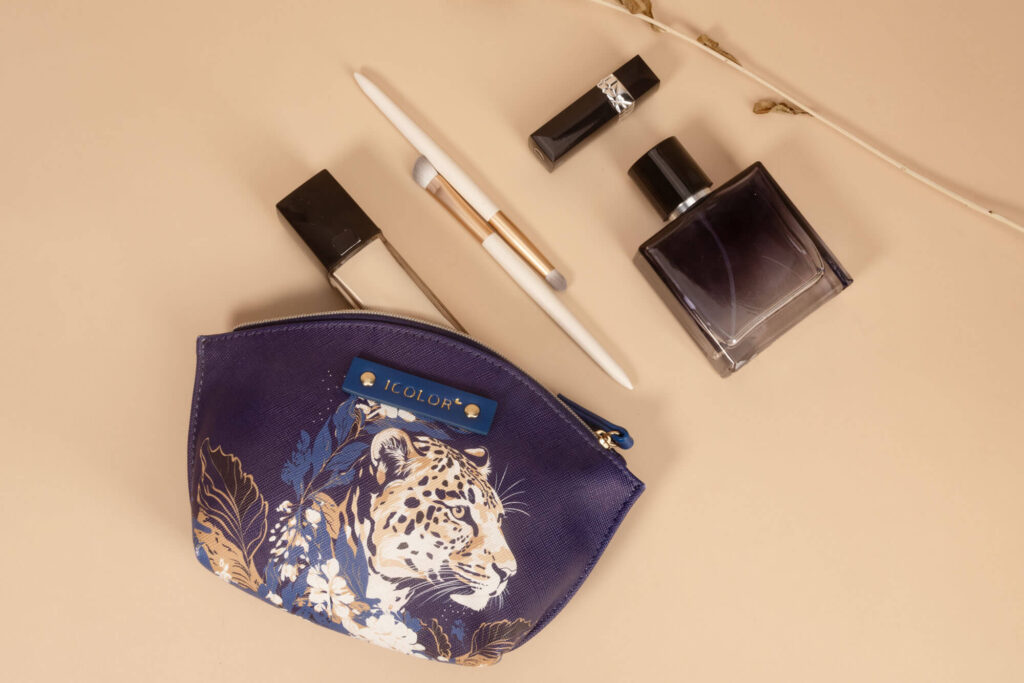
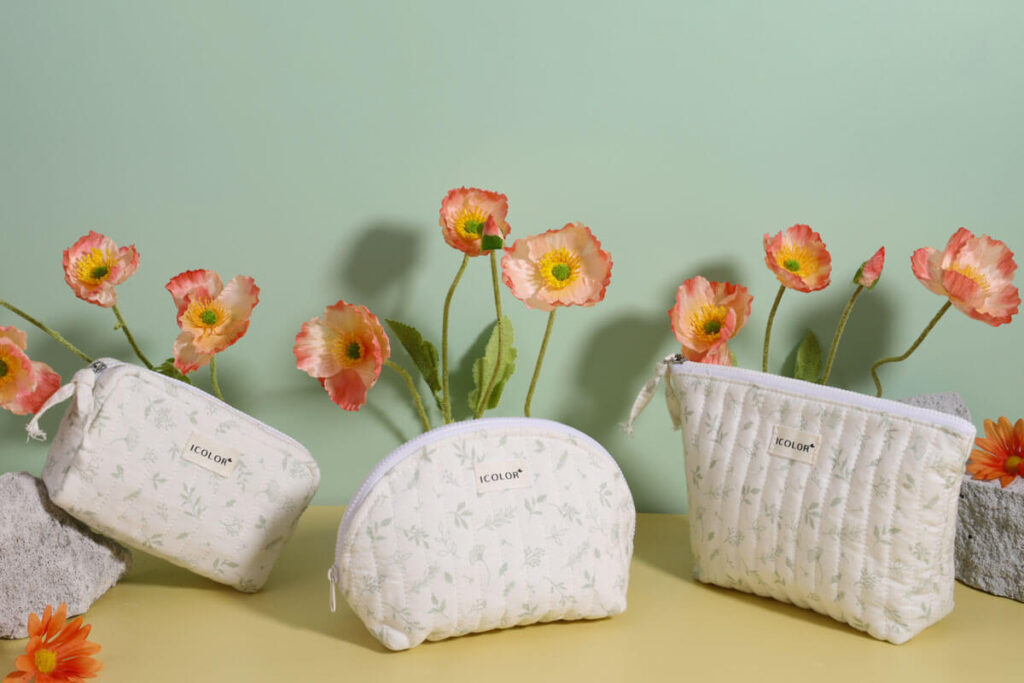
A logo sample on a flat swatch is useful for early screening, but it does not prove final production. The buyer should also check logo placement after the bag is sewn, whether the zipper or opening changes the visible area, whether a woven label sits straight on the seam, and whether the packing route covers the logo.
Cosmetic bags are tactile products. Buyers should review handfeel, zipper pull, seam neatness, lining, bag standing shape, logo rub resistance and packing after the logo route is applied. If bulk inspection terms are needed, visible checkpoints can be aligned before production; ISO 2859-1 sampling3 can support sampling language where appropriate.
Confirm Logo, Fabric and Paper Accessories Together
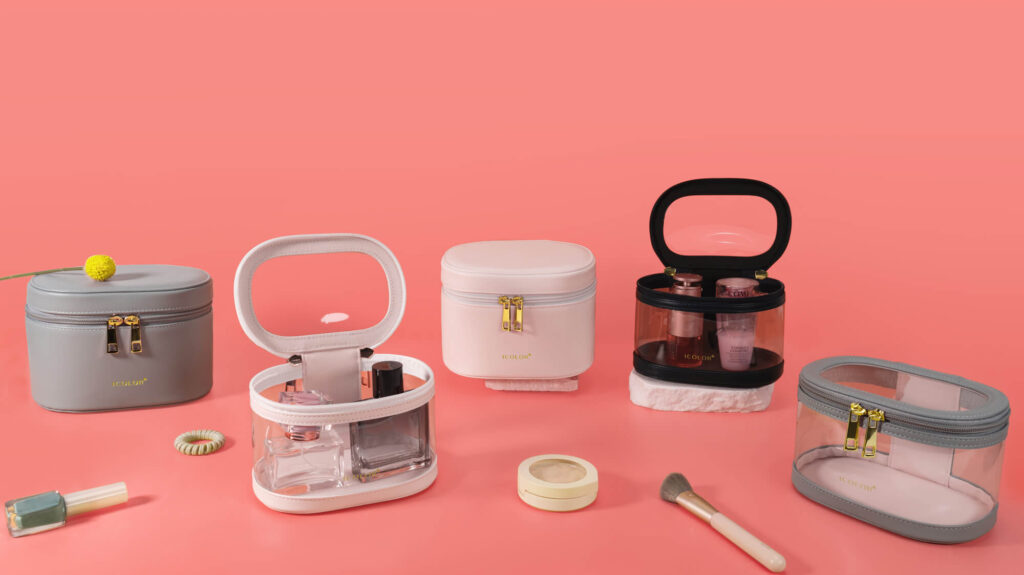
Send the fabric route, logo method, tag material, belly-band size, barcode or QR requirements and retail-carton position—not only the pouch size and logo file. Sample fabric and logo first, then approve the hangtag and paper band beside the bag. Check logo position separately for clear, soft and structured constructions.
Best fit and less suitable buyers
Best fit
Beauty and skincare brands with MOQ 500+, a real GWP, retail or private-label pouch project, artwork files, material preference and sample-first timing.
Less suitable
Single-piece personal orders, no-brand buyers, below-MOQ projects, or teams that need a final price before choosing material and logo route.
Buyer note
If the cosmetic bag also needs a paper box, hangtag or belly band, send the components together so color and logo placement can be reviewed as one set.
Quote risk
A quote based only on a logo file may change after fabric, sewing, label position, zipper choice and retail packing are confirmed.
Internal links for the buyer brief
For product capability, review Ecoicolor’s custom cosmetic bag manufacturer page. If the cosmetic bag is part of a launch kit, include the paper box, insert, hangtag and carton plan in the same RFQ so sample approval does not happen in isolated parts.
A complete first message should state material preference, logo method, size, packing route, quantity, target price range, delivery country and launch date. That gives the supplier enough context to recommend the logo route before sample cost and timing are confirmed.
How to approve logo samples without slowing the launch
Separate material approval from logo approval. First confirm whether the buyer accepts the fabric handfeel, thickness, lining, zipper route and bag structure. Then approve logo method, size and position on the actual bag shape. If both decisions are mixed into one late sample, the buyer may ask to change material after the logo route is already tested, which adds another sample round.
For silk screen, check color density, edge sharpness, rubbing and whether the ink sits cleanly on curved or textured areas. For woven labels, check sewing position and whether the label corner lifts when the bag is handled. For hot stamping, check adhesion and whether the pressure mark changes the surface. For embroidery, check whether small letters stay readable and whether the backing feels acceptable inside the pouch.
If the bag will be packed with a hangtag plus belly band or a hangtag plus paper box, approve those components beside the logo sample. The brand mark on the bag, the tag paper, the belly band and the box can look different even when they use the same color target. A full visual review prevents a launch set that looks inconsistent when assembled.
Quote boundaries that should be clear in the first message
A quote can change when the buyer changes fabric weight, lining, zipper, logo method, packing, or document-support route. That is normal, but it should be controlled. The first RFQ should state which details are confirmed and which details are still open. A supplier can then quote a route range first and confirm the final price after sample approval.
For MOQ 500 sewn bags, the quote should also clarify whether the buyer wants one logo version, several colorways, several sizes or a split shipment. A 500-piece order with one fabric and one logo is a different project from 500 pieces split across several colors and label versions. If the buyer needs a launch kit with bag, hangtag, belly band and paper box, each component should be listed so the supplier can avoid missing accessory cost.
A strong RFQ does not need to be long. It should answer the core production questions: what material route, what logo method, what size, what packing, what quantity, where it ships, when it launches, and what sample the buyer expects to approve.
FAQ
What MOQ should beauty brands expect for custom cosmetic bags?
Custom sewn cosmetic bag projects should normally be planned from MOQ 500, depending on material, size, logo method and packing route.
Which logo method is best for cosmetic bags?
There is no single best method. Silk screen, woven label, hot stamping and embroidery each work better on different materials and artwork styles.
Can Ecoicolor match a brand color across fabric and paper?
A close match can be reviewed through swatches and samples, but fabric and paper will not always show the same color exactly.
What should be sent before sampling?
Send bag size, material preference, logo artwork, logo method preference, packing route, quantity, delivery country, target price range and launch timing.
Are hangtags and belly bands common for cosmetic bags?
Yes. Cosmetic bag projects often use hangtag plus belly band, or hangtag plus paper box, especially for retail and GWP programs.