Buyer Summary
This article is for brands that already want a custom shaped box and now need to avoid sample mistakes. It focuses on clearance, lid fit, insert position, edge finish, carton protection and MOQ 1000 approval. It supports the custom shaped boxes money page instead of replacing it.
Buyer insight: sample risk is usually hidden in small gaps
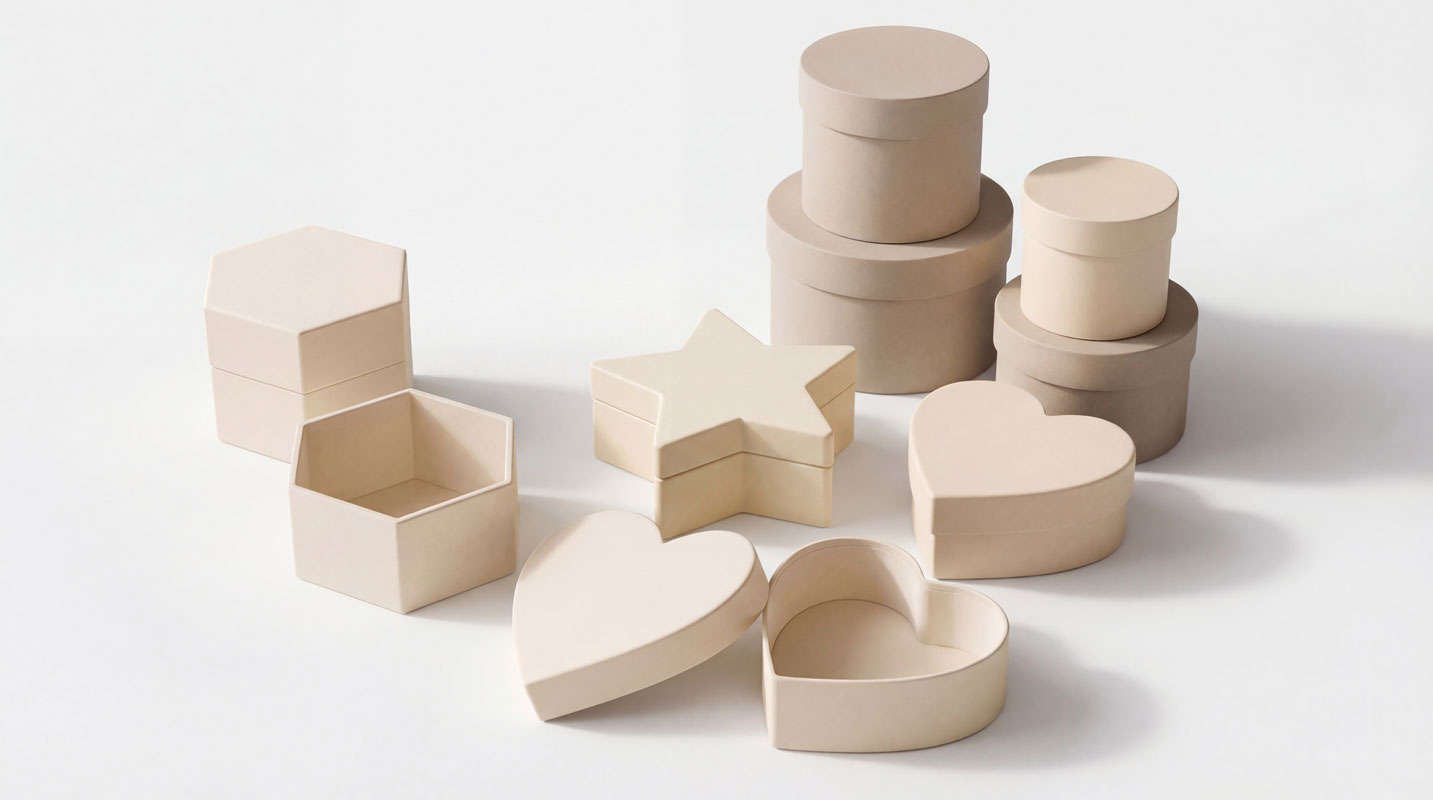
A custom shaped box can look correct in a static render and still fail in use. The common risks are small: the lid rubs a curve, the insert shifts, a product cannot be removed cleanly, or the carton route squeezes a corner during transit. These are not design taste problems; they are sample approval problems.
That is why this post narrows the topic to sample risk. The broad route belongs on the custom shaped boxes page. The practical goal is a clearer checklist before asking Ecoicolor for a sample.
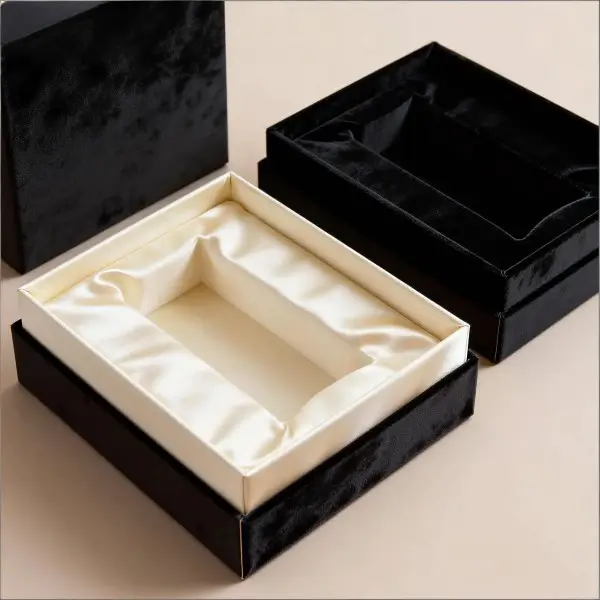
Clearance
Check product gap, finger access, lid movement and any curved or angled edge that can rub.
Fit
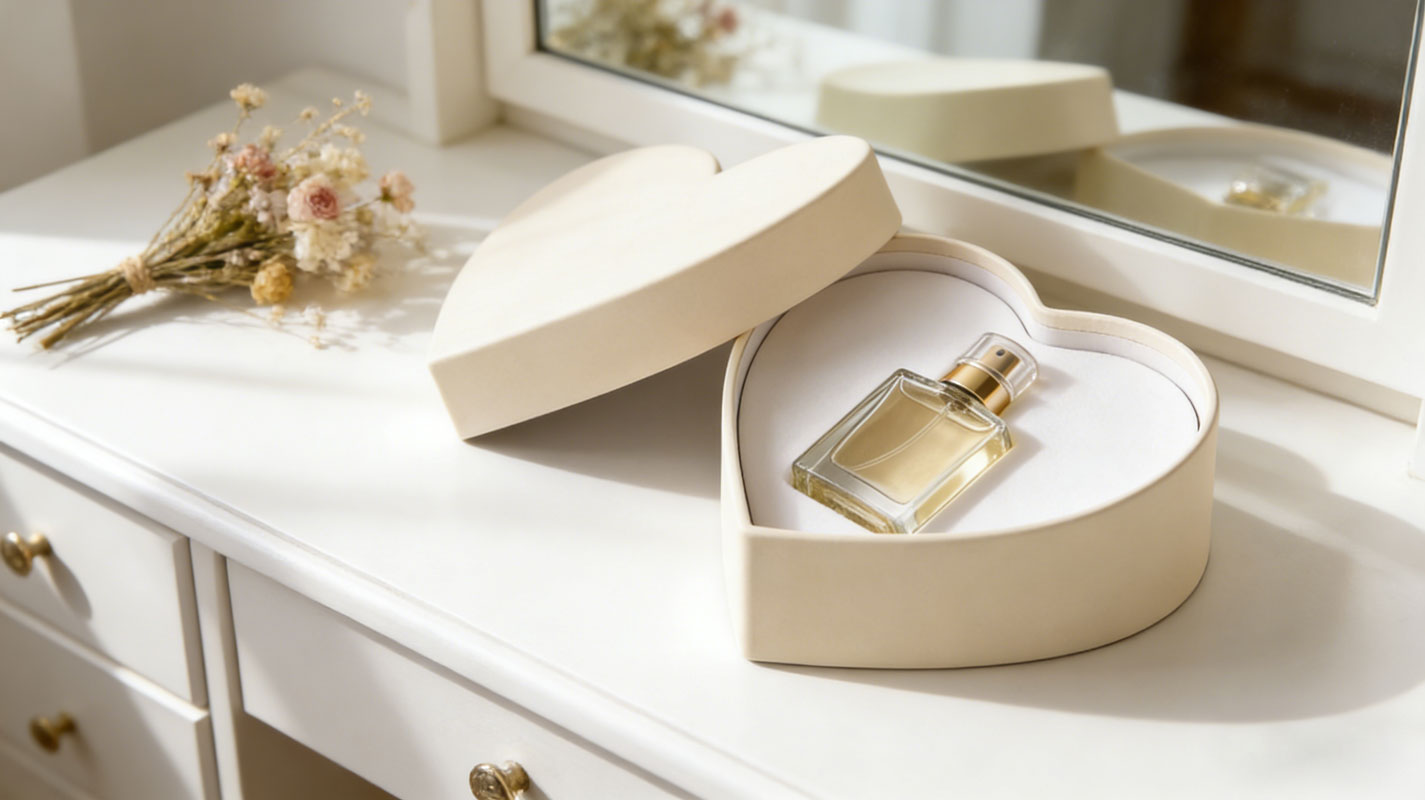
Test the product inside the actual insert or accurate dummy sample, not only the outer shell.
Carton
Confirm how the shaped box is protected inside the master carton before bulk approval.
Five sample checks before bulk approval
Sampling language should be specific. ISO 2859-1 sampling standard1 is useful for inspection context, but a shaped box brief should define practical pass/fail items before production: lid fit, edge finish, product removal, insert position and carton protection.
Carton protection is part of the sample, not an afterthought
Transit checks should be considered before a shaped box is approved. ISTA packaging test procedures2 provides packaging-test context for transport and distribution, but the buyer-facing RFQ still needs clear delivery country, carton count and retail receiving expectations.
For paper material routes, FSC chain-of-custody documentation3 can support document discussions where the selected supplier records allow it. Do not separate document support from the approved material route, because a late material switch can change both sample approval and printed color.
Best fit and less suitable buyers
Best fit
Brands with a defined product map, sample-first timeline, MOQ 1000+ planning, and a real reason for a custom silhouette.
Less suitable
Requests with only a moodboard, no product size, no launch timing, no MOQ readiness, or a request for a one-off display box.
Before RFQ
Share product dimensions, shape reference, opening direction, insert material, artwork stage and delivery market.
Related in this shaped and collapsible box series
For tooling and MOQ decisions
For flat shipping and assembly
FAQ
What is the first sample risk for a custom shaped box?
The first risk is usually whether the product, insert, lid and carton route work together, not only whether the shape looks attractive.
Should the buyer send real products?
Real products or accurate dummy samples are preferred because shaped structures can hide clearance and removal problems in photos.
What MOQ applies?
Custom paper or rigid shaped boxes should normally be planned from MOQ 1000.
What should be checked before bulk production?
Check lid fit, edge finish, insert position, product removal, printed color, carton protection and retail label position.
Is this a broad custom shaped box guide?
No. The main money page explains the product route; this article focuses only on sample-risk checks.