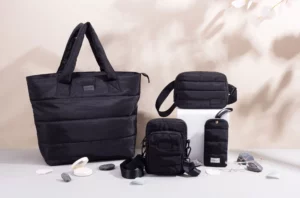
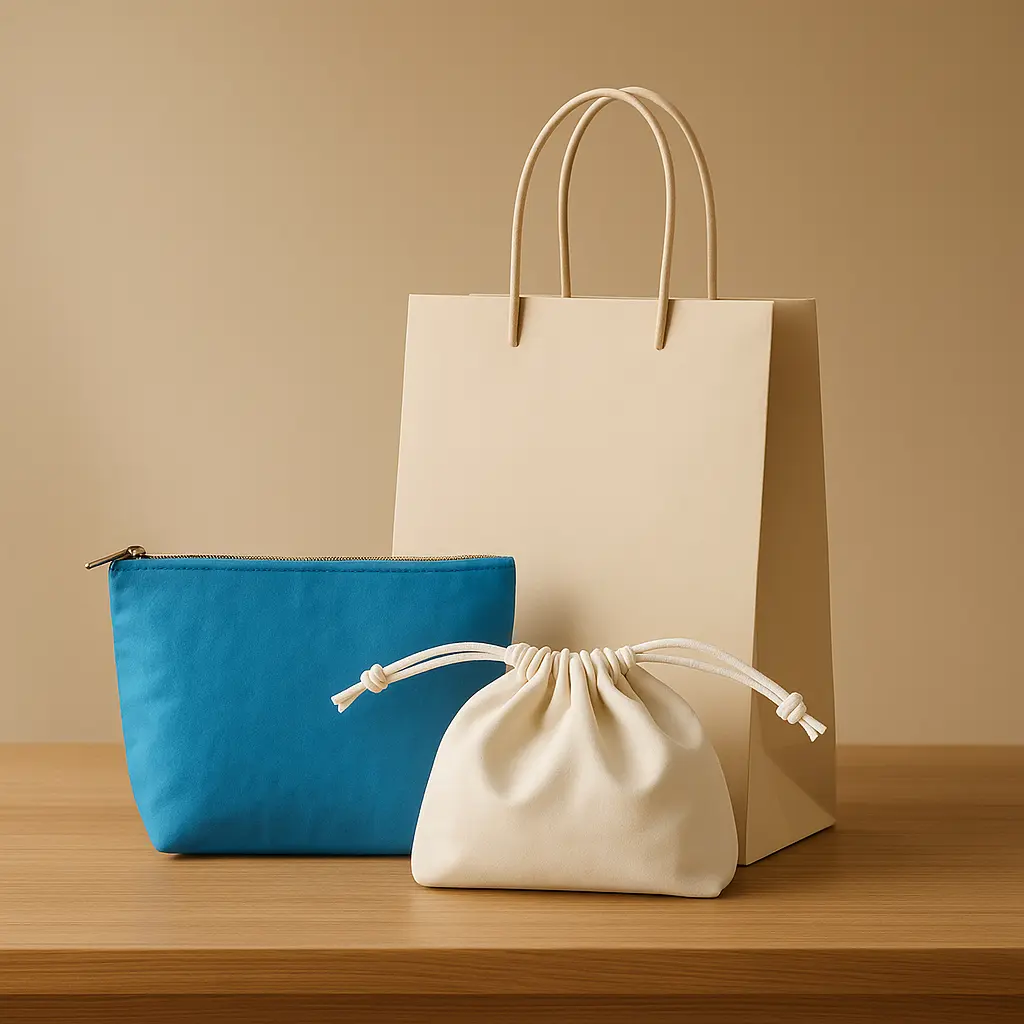
Brand Color / Multi-Material Approval
One color will not look identical on every surface
This guide is for brand buyers planning cosmetic bags, rigid boxes, paper tubes, inserts, tags or sleeves in one launch system. A color can look different on fabric, paper wrap, coated board, velvet, PU, ribbon or printed labels. The right goal is not a vague “same color everywhere” promise. The practical goal is a controlled approval route with reference standards, material swatches, pre-production samples and written tolerances.
Ask Vivi to Review Color Routes Request Material Swatches Send a Color-Matched Brief

Buyer Summary
For Ecoicolor projects, color consistency should be approved by material route. Fabric and paper absorb and reflect color differently, so the buyer should send Pantone or brand color references, logo files, target material, print method and tolerance expectations. Cosmetic bags may use screen print, woven labels or hot stamping; paper boxes and tubes may use printed wrap, foil, paper stock or coating. Samples should be reviewed under realistic lighting before bulk production.
Why fabric, paper and tubes shift color differently
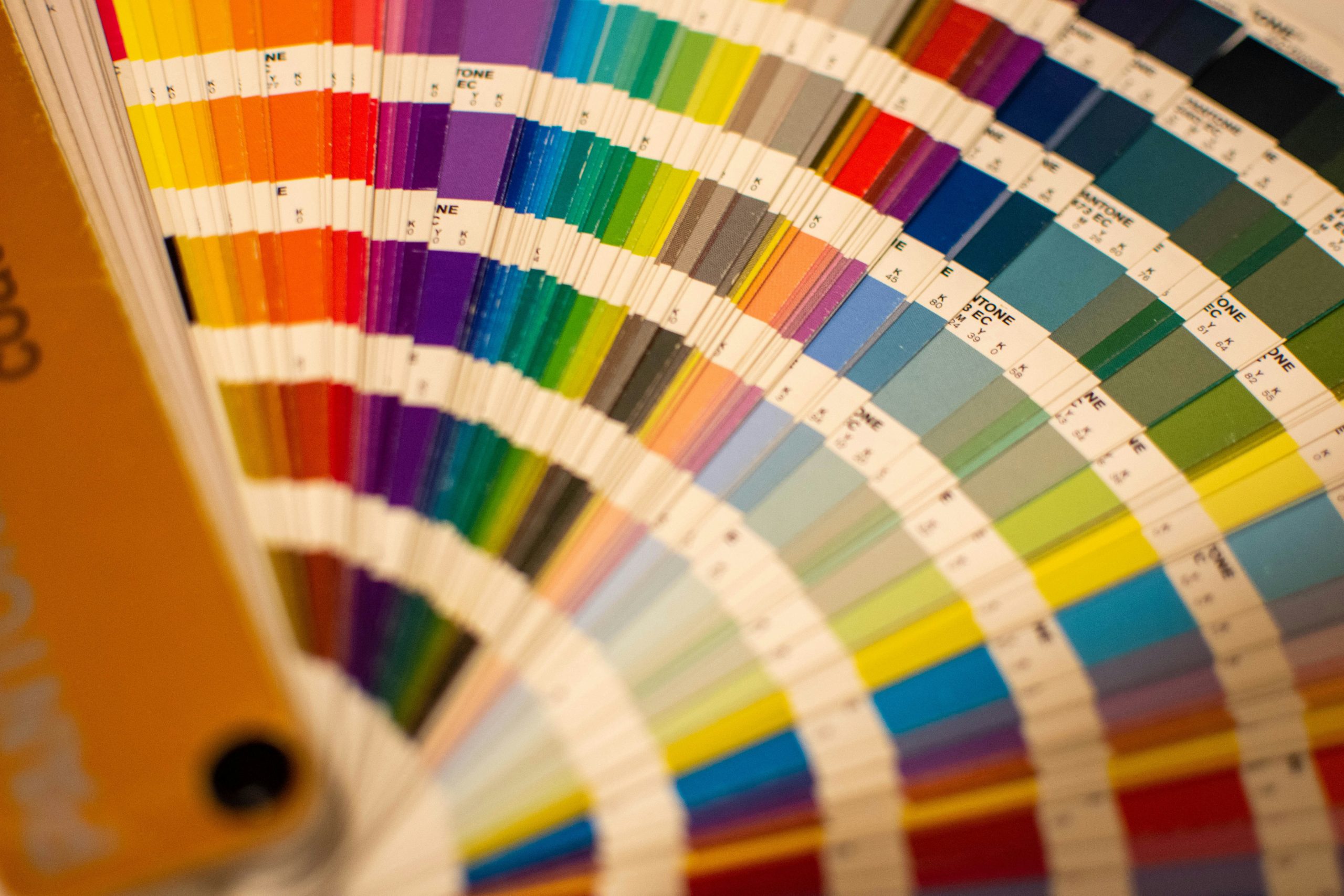
A brand color can shift because the base material is different. Canvas has texture. Velvet changes with pile direction. PU and coated paper reflect light differently. Kraft or textured paper can warm the color. A paper tube wrap can look different from a rigid box wrap even if the file is similar. Pantone-style references help communicate target color, but the approval still needs material samples and production-route checks. Pantone color references1
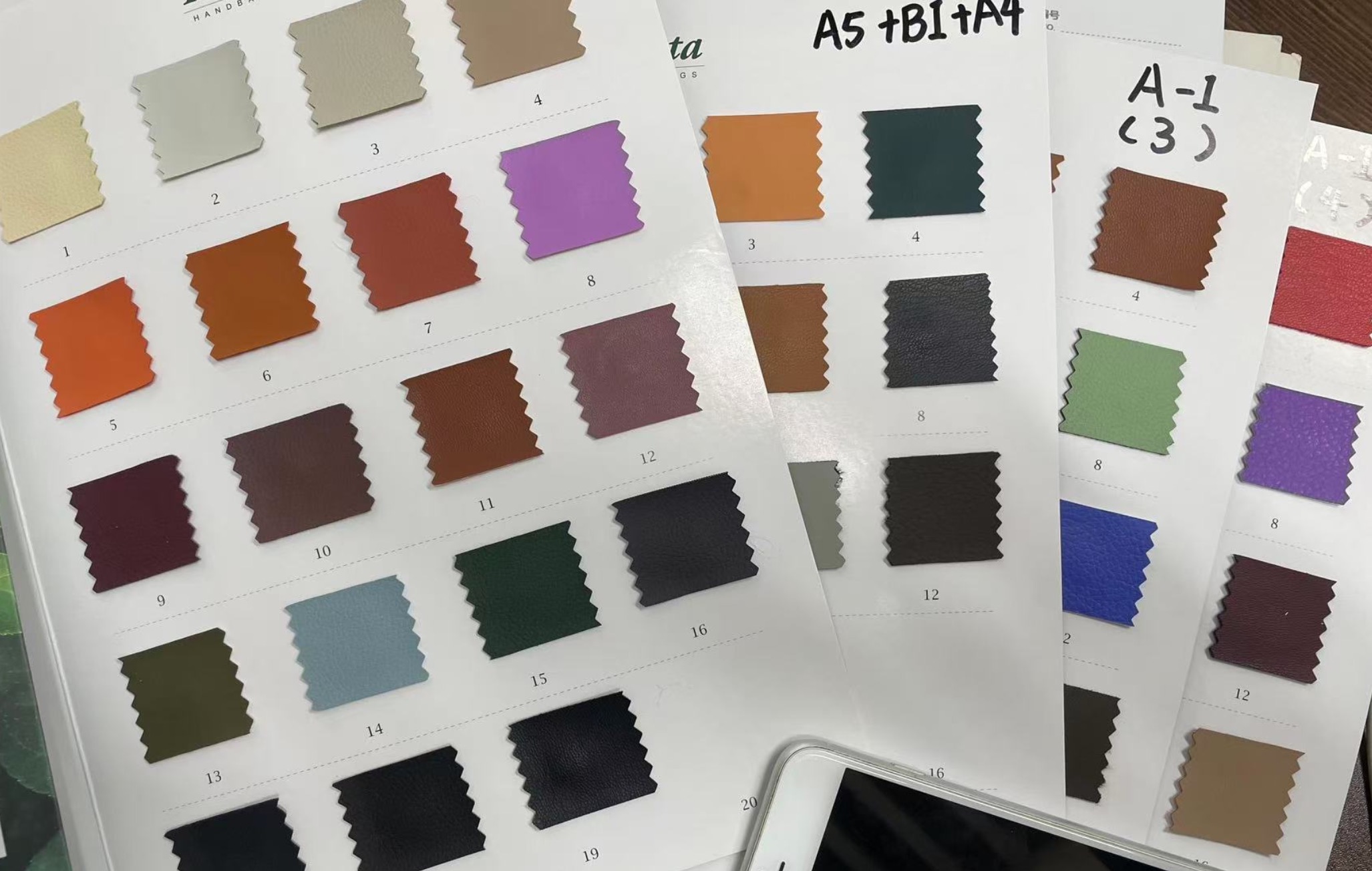
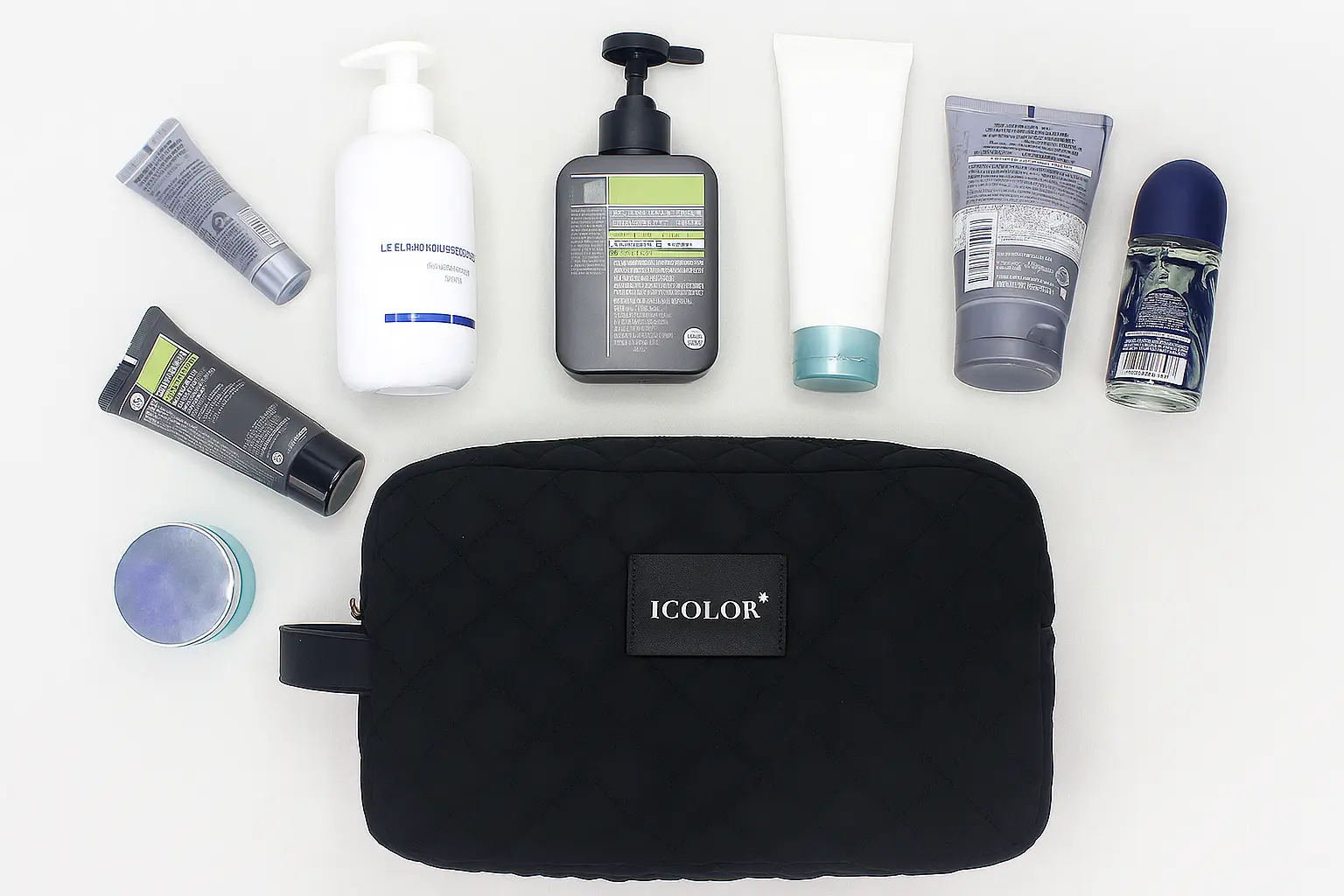
Color approval matrix for bags, boxes and paper tubes
For printed paper packaging, process-control language may reference print standards such as ISO 12647, but a brand buyer still needs to approve the actual sample route rather than only the file. ISO print process-control context2
The practical issue Vivi sees in RFQs
Buyers often send one brand color and expect the same look across a fabric cosmetic bag and a paper box. In production review, the same color can appear warmer on fabric, sharper on coated paper, softer on textured paper and deeper on velvet. This is why Ecoicolor should see the intended material route early. If the buyer is planning a cosmetic bag plus hangtag, cosmetic bag plus belly band or cosmetic bag plus paper box, the color approval should include the full combination.
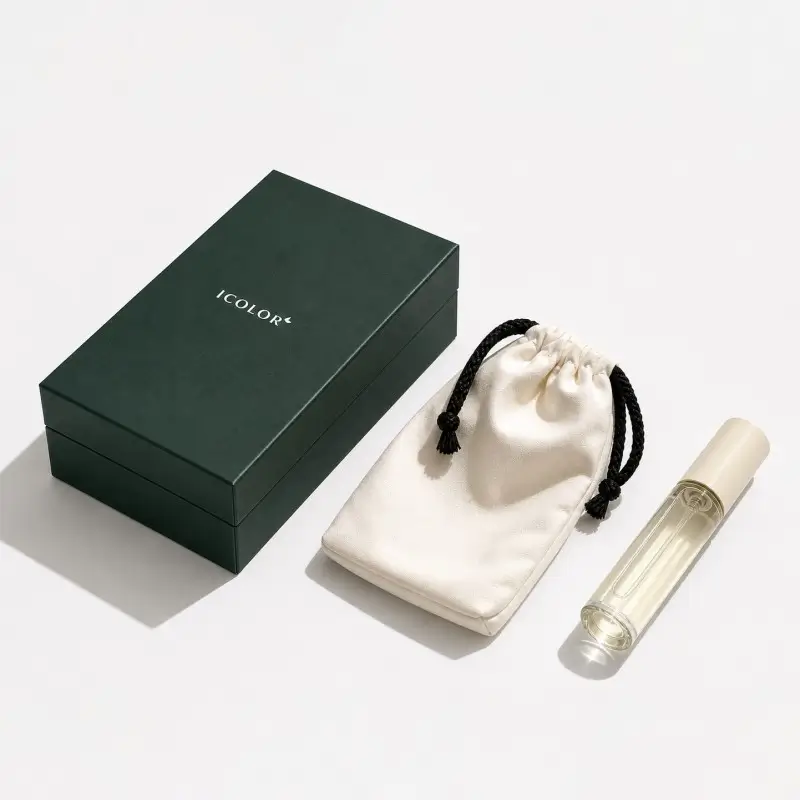
What to send with the RFQ
Send brand color references, vector logo, material preference, product category, target price, quantity, finish direction and any retail packaging rule. If the brand has previous approved packaging, send photos and physical references when possible.
Logo method changes color more than buyers expect
For cosmetic bags, common logo routes include screen print, woven label and hot stamping. Each route creates a different effect. Screen print follows ink behavior on fabric. Woven labels introduce thread color and texture. Hot stamping depends on foil and surface pressure. For paper boxes, color may come from CMYK print, spot color, foil, embossing, debossing or printed wrap. The RFQ should identify which logo method is being considered before Ecoicolor compares color.
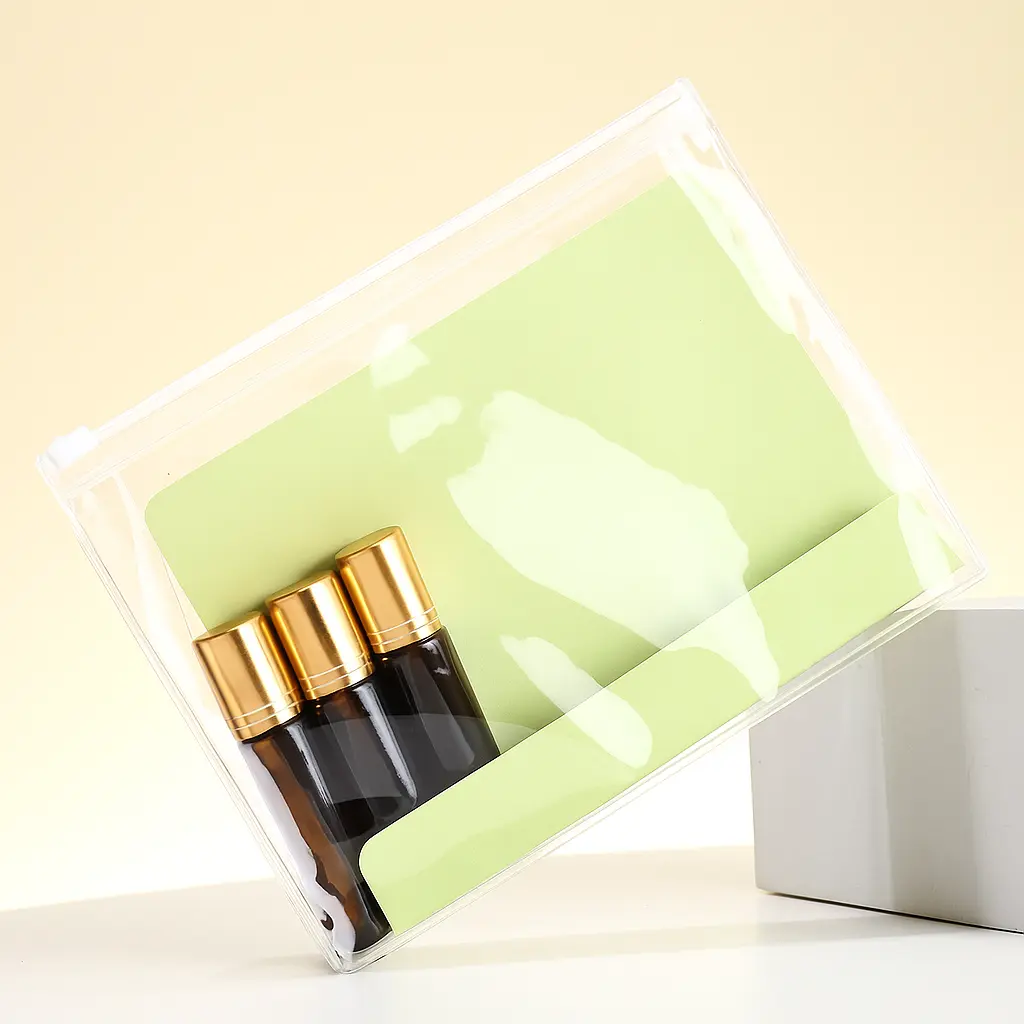
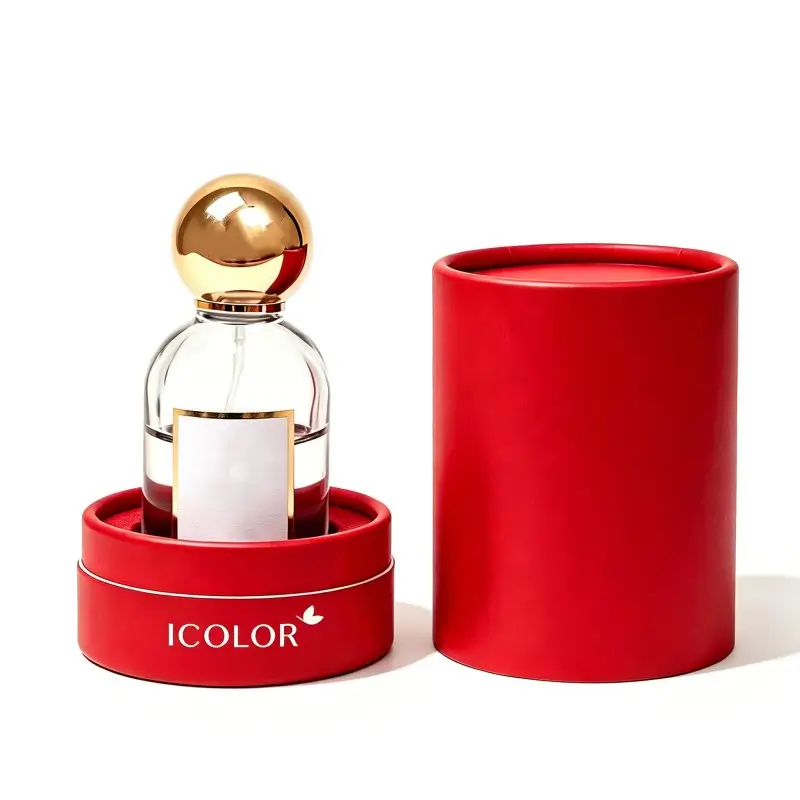

Six-step color approval workflow
- Send the brand color reference: Pantone number, brand guide, approved sample or previous packaging reference.
- Choose material routes: fabric, PU, velvet, paper wrap, tube wrap, insert material and label stock.
- Choose logo and finish methods: screen print, woven label, hot stamping, foil, coating or printed wrap.
- Review material swatches: check base material before judging the final print.
- Approve component samples: bag, box, tube, insert and tag should be checked together.
- Record the approval: write accepted tolerance and final change list before bulk production.
For larger launch programs, the color approval record should sit inside the wider quality-management file so the buyer, supplier and production team use the same accepted sample and change list. ISO quality-management file3
Best fit and less suitable inquiries
Best fit
This guide fits brands planning multi-component packaging systems, especially cosmetic bag plus paper box, bag plus hangtag, rigid box plus insert, paper tube plus label, or launch kits where brand color needs to stay coherent across surfaces.
Less suitable
It is not suitable for one-piece color matching, no-brand requests, or buyers who demand exact sameness across every material without sampling. Color consistency requires sample review and written tolerance.
FAQ
Can the same brand color look identical on fabric and paper?
Not always. Fabric texture, paper coating and surface reflection can change how the color appears. The practical goal is approved consistency, not an unsupported exact-match promise.
Should buyers send Pantone references?
Yes, when available. A Pantone or brand guide reference helps communication, but Ecoicolor still needs material samples and finished samples for approval.
Which logo methods matter for cosmetic bags?
Screen print, woven label and hot stamping are common routes. Each route affects color and texture differently.
How should a rigid box and paper tube be checked together?
Review paper stock, wrap, coating, printed surface, cap color and any label or insert as one pack-out system.
What causes most delays?
Missing color references, late material changes, no physical sample, unclear logo method and no written approval tolerance usually create delays.