Buyer Summary
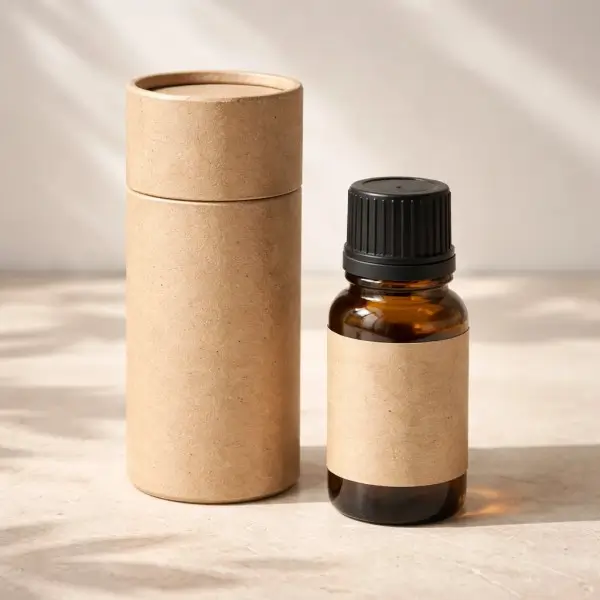
A paper tube print approval should lock seven things before bulk: artwork revision, wrap material, color reference, seam and label area, foil or special-finish registration, barcode and small-text legibility, and one signed physical sample. This article is a supplier workflow based on print-approval practice; it is not presented as a customer success or failure case.
First, separate the workflow from a case study
Ecoicolor has one published real paper-tube case about glass-bottle fit and insert adjustment. That case does not document a printing defect. This guide therefore does not reuse it as proof of color variation, seam error, foil misregistration or barcode failure. Those possible risks are explained as approval checkpoints, not claimed events.
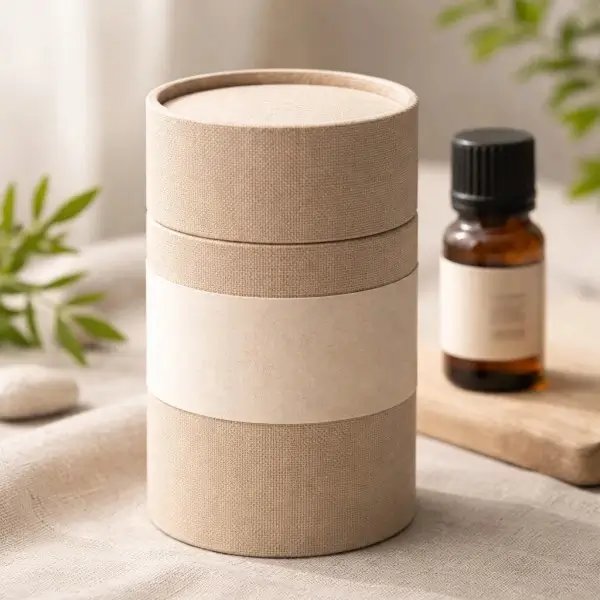
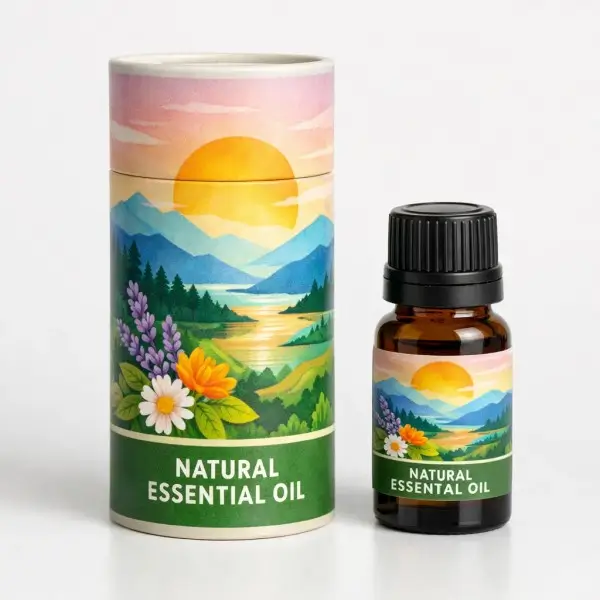
The seven-step print approval path
Step 1
Lock artwork and revision
Confirm final text, regulatory copy, barcode data, dieline orientation and one controlled artwork revision.
Step 2
Confirm the wrap material
Approve the exact paper stock, texture, base shade and surface route used for the proof.
Step 3
Set the color approval method
Use a defined reference and judge the signed physical sample under agreed viewing conditions.
Step 4
Map the seam and label area
Place the seam, opening direction, label face and barcode where they will remain readable and visually controlled.
Step 5
Approve foil and special finishes
Check registration, edges, pressure marks and the relationship between print and finishing plates.
Step 6
Check barcode and small text
Scan the production-size barcode and inspect fine copy on the selected material.
Step 7
Sign the physical sample
Release bulk production only after the approved sample and approval record carry the same revision.
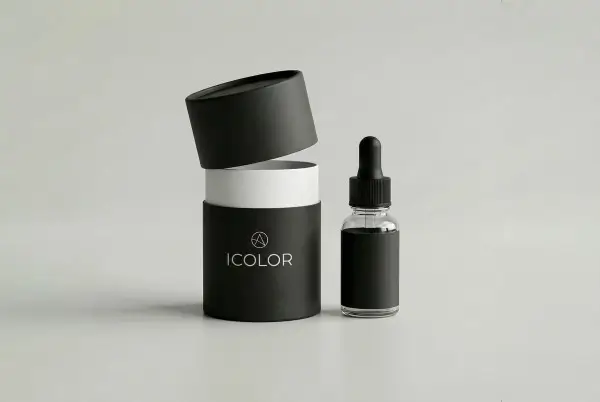
Approve color on the selected wrap material
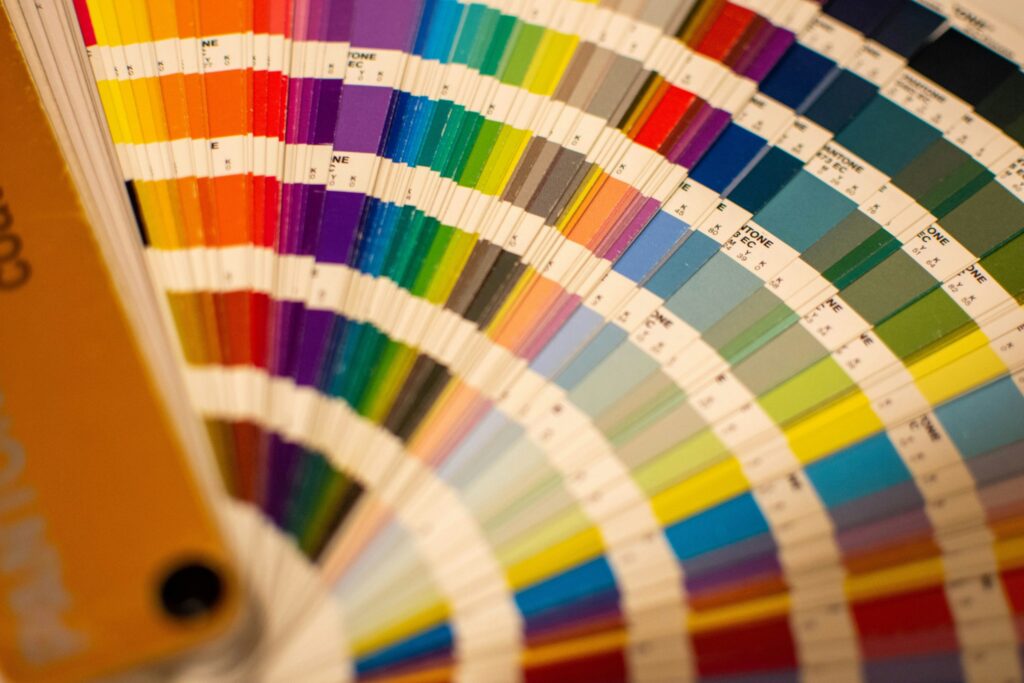
A color target such as Pantone Connect1 helps the buyer and printer describe the intended color. It does not make a printed paper tube identical to a monitor or to the same color on fabric, coated paper or textured uncoated paper. Base shade, coating, texture, ink build and finishing all change the result.
Target reference
State the Pantone reference, approved product sample or other agreed color target.
Actual substrate
Produce the approval proof on the selected wrap paper, not a convenient substitute.
Viewing method
Agree how the sample is judged and who has authority to approve it.
Tolerance record
Record the signed sample and any accepted variation instead of relying on chat messages alone.
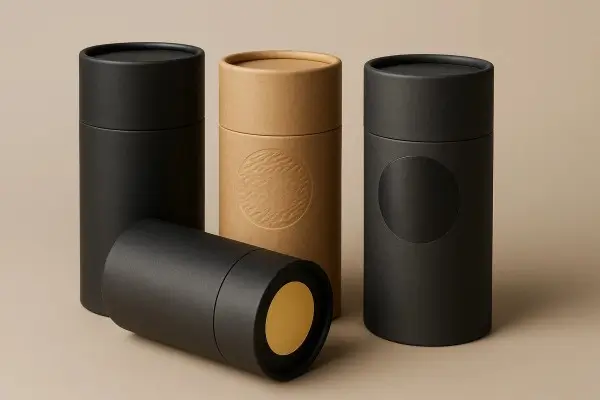

Map the seam, opening direction and label face
A round format has no natural front until the team defines one. The artwork file should show the preferred display face, wrap seam, lid direction, label zone, barcode position and any area that should remain visually quiet.
| Area | Approval question |
|---|---|
| Wrap seam | Is it placed away from the primary display face and critical small text? |
| Lid line and rolled edge | Does the artwork retain enough clearance after assembly? |
| Front label face | Is the product name readable in the intended retail orientation? |
| Barcode | Is it at final size, on a suitable background and physically scannable? |
| Batch or regulatory area | Is there enough space for variable information without covering key artwork? |
Check foil, embossing and spot effects as separate plates
A decorative finish can be positioned correctly in the artwork and still look wrong on the physical tube. Approval should examine registration between print and finish, edge clarity, pressure marks, wrap texture and the way the finish crosses the curved surface.
Barcode and small text need a physical check
Retail data should be planned using the buyer’s identification route and relevant GS1 barcode standards2. The proof should use the production-size barcode and final background. Scan it on the assembled tube, then inspect ingredient copy, warnings, country-of-origin text and variable-data space at normal reading distance.
Release bulk from one signed revision
Bulk production should refer to one signed tube sample, one artwork revision and one approval record. If the wrap paper, ink route, finish plate, barcode or seam position changes, the affected checkpoint should be approved again before the change is treated as production-ready.
An inspection plan may use ISO 2859-13 terminology for sampling by attributes, while the project specification defines visible defects such as wrong revision, color outside the signed range, foil shift, dirty seam, unreadable copy or barcode failure.
Before proofing
Final artwork, tube dimensions, wrap paper, color target, finish map, seam location and barcode data are complete.
At physical approval
The assembled tube is reviewed for color, seam, opening direction, print clarity, finish registration and label readability.
Before bulk release
The signed sample, approval record and production file carry the same revision and exception notes.
Best fit and less suitable inquiries
| Best fit | Less suitable |
|---|---|
| Established skincare, essential-oil and fragrance teams with final artwork, color references, barcode data and a physical approval route | Projects asking the factory to match a screen image exactly without selecting paper or approving a physical sample |
| Buyers willing to lock one artwork revision and sign the assembled tube before bulk | Urgent bulk requests with changing copy, no final barcode data or no person responsible for sample approval |
What to send for a paper tube print review
- Final editable artwork and a PDF proof with revision number.
- Tube diameter, height, lid style and intended front orientation.
- Selected wrap paper or the material options to compare.
- Pantone, approved product sample or other color reference.
- Foil, embossing, debossing, spot UV or other finishing map.
- Barcode number, final barcode artwork and required label area.
- Destination market, quantity, target sample date and bulk launch window.
- Names of the buyer-side people who can approve color, copy and structure.
Related procurement guides
FAQ
Is this article based on a customer print failure?
No. It is a supplier-side print approval workflow. Ecoicolor is not claiming that a customer experienced every risk described here.
Can a PDF proof approve the final printed color?
A PDF can approve content and position, but final color should be judged on the selected wrap material using an agreed reference and physical sample.
Where should the paper tube seam be placed?
The best position depends on the front display face, artwork, label route and opening direction. It is usually kept away from critical branding and small text where possible.
Should foil be approved separately from print?
Yes. Registration, edge quality, pressure marks and performance on the curved surface should be checked on the physical sample.
How should a barcode be approved?
Use the final data and production size, check contrast and quiet zones, and scan the assembled tube rather than approving an enlarged barcode on screen.
What is the release standard for bulk production?
One signed physical sample, one controlled artwork revision and one written approval record should define the released route. A material or artwork change may require renewed approval.
About the Author

Vivi Lu supports Ecoicolor buyers with RFQ review, structure choices, material routes, sample approval and retail packing for beauty, fragrance, jewelry and sewn-pouch projects. Connect with Vivi Lu on LinkedIn.