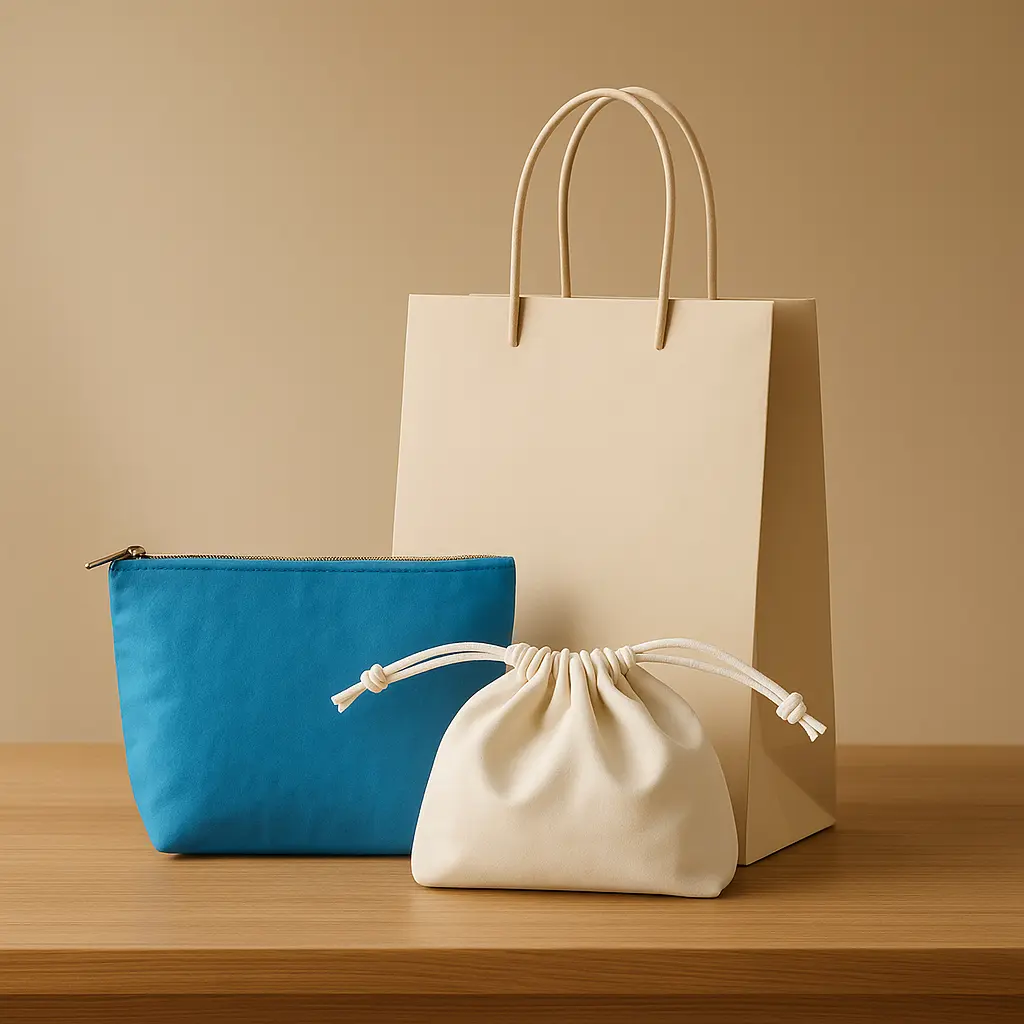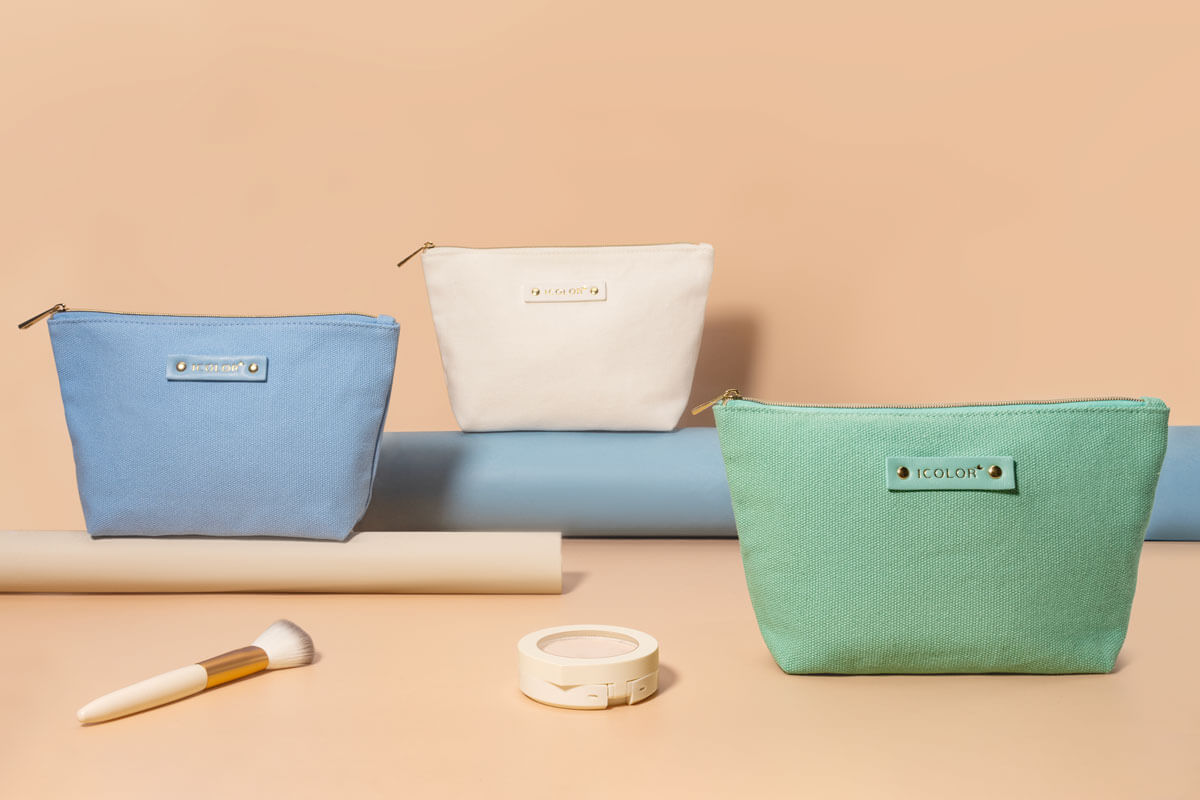
Private label makeup bag quotations depend on more than the bag size. Materials, zippers, pockets, logo methods, sample rounds and retail packing all change cost, timing and approval risk.
This guide helps beauty brands define those variables before sending a supplier RFQ.
Request a Cosmetic Bag RFQ Ansicht Kosmetiktaschenherstellung
Quick Summary
Private label makeup bag quotations depend on materials, zippers, pockets, logo methods, sample rounds and retail packing. Define these variables before RFQ so suppliers can compare the same production scope.
For production support, Share a private label makeup bag brief for quotation.
What to Prepare Before Requesting a Quote
Prepare these details in the RFQ:
- Bag dimensions: length, height, depth, gusset and tolerance needs.
- Use case: makeup pouch, travel toiletry bag, skincare gift pouch, retail GWP or private label bag.
- Material route: cotton canvas, recycled polyester, nylon, PU, velvet, satin or mesh.
- Lining: unlined, polyester lining, waterproof lining or printed lining.
- Zipper route: nylon zipper, metal zipper, coil zipper, double zipper or custom puller.
- Logo method: screen print, heat transfer, embroidery, woven label, leather patch or metal badge.
- MOQ and SKU split: MOQ 500 planning, colorways, sizes, market versions and artwork changes.
- Sample route: material swatch, blank sample, logo sample and pre-production sample when needed.
- QC and packing: seam standard, zipper test, color tolerance, carton packing and ship-to country.
For related sewn bag options, review Ecoicolor’s custom cosmetic bag manufacturing und cosmetic bag products.
Cosmetic Bag RFQ Checklist
| RFQ detail | What to specify | Why it matters |
|---|---|---|
| Bag size | Width, height, depth, gusset and tolerance | Controls pattern, capacity and seam route |
| Material | Canvas, RPET polyester, nylon, PU, velvet or satin | Affects handfeel, structure and logo method |
| Zipper and puller | Zipper type, color, puller style and hardware color | Affects function, appearance and sample timing |
| Logo method | Print, heat transfer, embroidery, label, patch or badge | Determines setup, placement and inspection points |
| MOQ and SKU split | MOQ 500 planning, colors, sizes and versions | Helps price material, cutting and sewing setup |
| QC and packing | Seam, zipper, color, logo and carton requirements | Reduces avoidable issues before shipment |
1. Start With Bag Use and Capacity
A makeup pouch for a skincare gift set has different requirements from a travel toiletry bag or a retail private label pouch. Before discussing unit cost, define the actual use.
Share:
- What products the bag should hold.
- Whether bottles, jars, brushes or palettes need to fit.
- Whether the bag should stand upright or lie flat.
- Whether the bag needs a gusset, handle, divider or clear panel.
- Whether the buyer wants a soft pouch feel or a more structured bag.
- Whether the bag will be sold alone or packed with products.
This helps the supplier judge pattern shape, fabric weight, lining, zipper route and packing method.
2. Choose Materials by Handfeel, Structure and Cleaning Needs
Material choice affects appearance, durability, logo result and sample cost. Do not choose fabric only from a photo.
Common routes include:
- Cotton canvas for a natural handfeel and structured everyday pouch.
- RPET polyester for lightweight custom cosmetic bags and retail programs.
- Nylon for travel toiletry bags and easier wipe-clean use.
- PU for a smooth surface and structured appearance.
- Velvet or satin for gift sets and seasonal beauty launches.
- Mesh or clear panel details for visibility and travel organization.
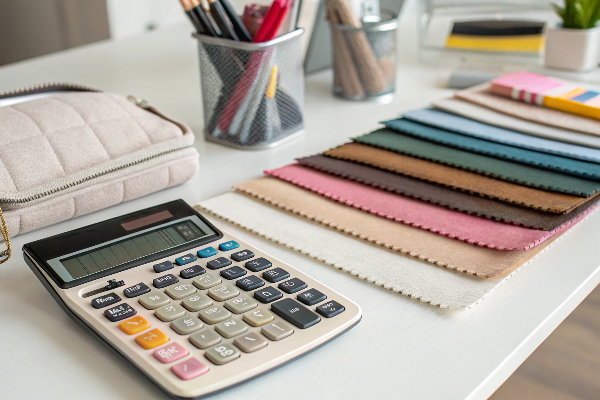
Ask for material swatches before confirming the sample route. Swatches help the buyer compare color, thickness, texture, lining and logo compatibility.
3. Use MOQ 500 as a Planning Reference
MOQ 500 is a practical planning reference for many custom sewn makeup bag projects. The final MOQ depends on fabric sourcing, zipper color, hardware, logo method, bag size, lining and SKU split.
Clarify:
- Total quantity.
- Quantity per color.
- Quantity per size.
- Whether each version needs a different lining or zipper.
- Whether the logo changes by retailer, market or campaign.
- Whether the bag is packed alone or with beauty products.
When a project has many colorways, consider using one body material and changing zipper tape, puller, label or sleeve by SKU.
Need to check MOQ, colors and samples?
Review MOQ 500 planning, material swatches, zipper choices and logo samples before approving the sewn bag route.
Check MOQ and Sample Route View Pouches and Bags4. Specify Zippers, Pullers and Hardware Early
Zipper choice can change the look, handfeel, cost and lead time of a makeup bag. It should be part of the first RFQ, not a late sample change.
Confirm:
- Nylon, coil, metal or waterproof zipper route.
- Zipper tape color.
- Teeth color and hardware finish.
- Puller shape, size and material.
- Whether the bag needs one-way, two-way or double zipper opening.
- Whether the zipper should match fabric, lining or logo color.
During sample review, check zipper smoothness, puller strength, end stops, opening width and whether the zipper scratches the product inside.
5. Match Logo Method to Material
Logo method should be selected after the material route is clear. A logo that works on canvas may not work the same way on PU, nylon, velvet or mesh.
Common logo routes include:
- Screen print for flat fabric surfaces and simple color logos.
- Heat transfer for detailed artwork on suitable fabrics.
- Embroidery for textured brand marks and thicker fabrics.
- Woven label for repeat programs and soft goods.
- PU patch or leather-look patch for structured bags.
- Metal badge or zipper puller for a more premium detail.
Before approval, confirm logo size, position, color, artwork file, line thickness and inspection standard. For broader pouch options, Ecoicolor’s custom pouches and bags page can help compare routes.

6. Use Samples to Check Sewing, Fit and Finish
Sewn bag samples should be reviewed with the products that will go inside the bag whenever possible. A sample can look correct in a flat photo but still fail capacity, opening width or zipper function.
Rückblick:
- Bag dimensions and usable capacity.
- Fabric thickness and handfeel.
- Lining fit and inside seams.
- Zipper smoothness and puller strength.
- Logo position and finish.
- Handle, divider, piping or binding quality.
- Carton packing direction and compression.
If the bag will be used for a beauty set, test the filled bag and the outer retail pack together.
7. Define QC Before Bulk Production
Custom makeup bag QC should cover both appearance and function.
Inspection points can include:
- Size tolerance.
- Fabric color and texture.
- Seam straightness and stitch density.
- Zipper opening and closing.
- Puller attachment.
- Logo placement and finish.
- Lining fit and loose threads.
- Carton packing, carton weight and carton marks.
If the shipment goes to a retailer, warehouse or nominated forwarder, include barcode, carton label and packing sequence requirements in the RFQ.
Buyer Checklist Before Bulk Approval
Before approving bulk production, confirm:
- Bag dimensions and capacity are approved.
- Material swatches and lining are approved.
- Zipper, puller and hardware are confirmed.
- MOQ 500 planning and SKU split are clear.
- Logo sample is approved on the final material.
- QC points and packing method are documented.
- Delivery timing includes sampling, revision, production, inspection and handoff.
FAQ
What should a custom makeup bag RFQ include?
Include bag size, use case, material, lining, zipper type, puller, logo method, MOQ, colorways, sample route, QC needs, ship-to country and launch timing.
What MOQ should buyers plan for custom makeup bags?
MOQ 500 is a practical planning reference for many custom sewn makeup bag projects. The final MOQ depends on material, zipper, hardware, logo method, bag size and SKU split.
Which material is best for cosmetic pouches?
The best material depends on the use case. Cotton canvas, RPET polyester, nylon, PU, velvet, satin and mesh can all work when handfeel, structure, cleaning needs and logo method are reviewed together.
Why should zippers be specified early?
Zippers affect function, appearance, hardware color, sample timing and inspection. Confirm zipper type, tape color, puller and opening direction before sample approval.
What QC points matter most for custom makeup bags?
Check size tolerance, fabric color, seam quality, zipper function, puller strength, logo placement, lining fit, loose threads and carton packing.
Ready to compare makeup bag materials and logo routes?
Share your bag size, fabric preference, zipper route, logo file and target quantity. Ecoicolor can review material swatches and sample options before production.
Anforderung von Materialmustern View Cosmetic Bag Products