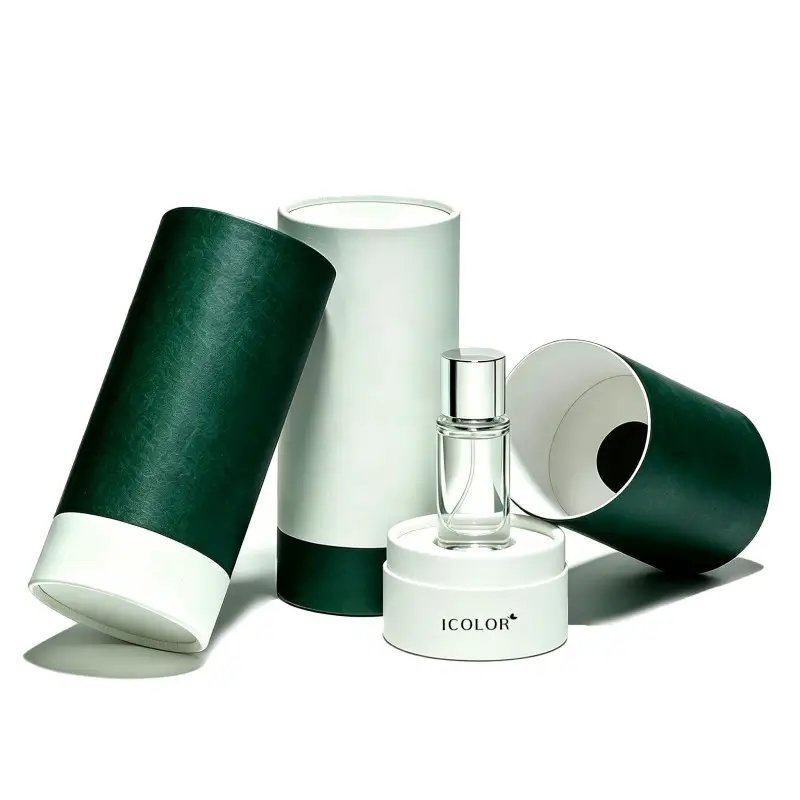
Buyer-side summary: A Germany-based agricultural products brand needed a straight-wall round paper tube for a glass bottle. Dimensions were supplied, but the physical bottle and measurement photos were not. The first sample review exposed movement inside the tube. Ecoicolor rechecked the fit from detailed photos, added an insert, and moved the approved project into a 1,000+ unit order.
What changed between the first brief and the approved sample
The buyer’s opening brief looked quote-ready because it included a bottle size and order quantity. It was not yet sample-ready. The bottle itself was not available for physical fitting, and the supplied dimensions did not show the cap profile, shoulder shape, base geometry or the clearance needed for controlled removal.
The practical issue appeared during fit review: the glass bottle could move inside the tube. That movement matters because a printed paper tube can look correct on a table while still producing noise, scuffing or an unstable unboxing experience during handling and transport.
Bottle dimensions, target quantity and a request for custom-printed round paper tube packaging.
No physical bottle, no measurement photos and no confirmed internal support route.
The glass bottle had room to move inside the tube during handling.
Recheck dimensions from detailed photos and add an insert before bulk production.
Why a size line alone was not enough
A bottle’s nominal width and height do not describe every contact point. A cap can be wider than the body. A shoulder can create a top-heavy fit. A rounded base can sit differently from a flat base. A decorative collar can require more clearance than the buyer’s basic size line suggests.
When the product cannot be sent for fitting, the safer substitute is a controlled measurement-photo pack. Ecoicolor asked for clear front, side, top and base views with a ruler or caliper reference. The buyer also needed to identify the widest diameter, total height with cap, cap diameter, shoulder transition and filled weight. Those details made it possible to review where the bottle needed clearance and where it needed support.
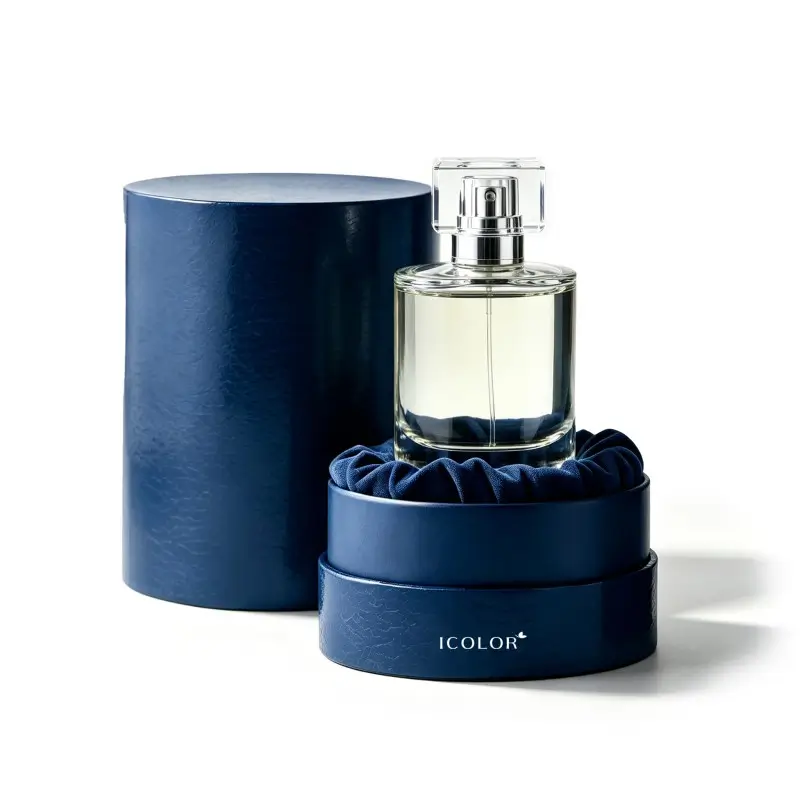
The insert solved movement, not just appearance
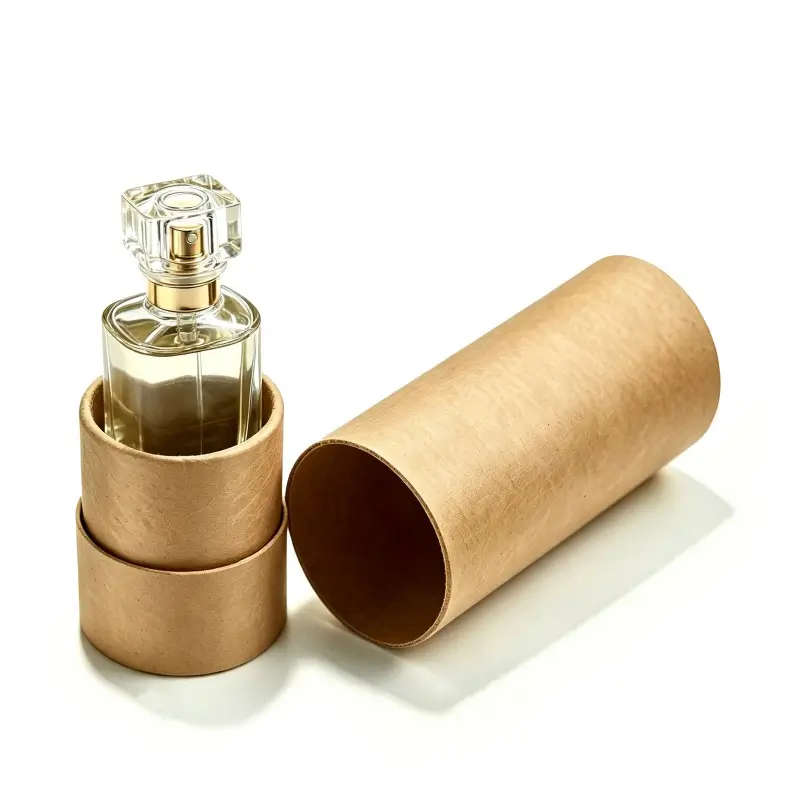
The insert was not added as decoration. Its job was to control lateral movement and improve the bottle’s position inside the tube. The support route also had to leave enough finger clearance for removal and avoid pressing against a vulnerable cap or shoulder.
For this project, the revised dimensions and insert direction were reviewed together. That prevented a common sequencing problem: approving the outer paper tube first and treating the internal support as a late addition. Once the support changes, the usable internal diameter, bottle position, tube height and sample feel can all change.
Buyers working on a similar package can use Ecoicolor’s custom box insert capability to discuss fit, removal and support before artwork is locked.
What the sample had to prove before bulk
The revised sample was not approved on color and print alone. The practical approval points were whether the bottle sat in a controlled position, whether the cap and shoulder had enough clearance, whether the insert held its shape, and whether the bottle could be removed without pulling the support out of place.
The buyer also needed to review the closed-tube feel and the package after repeated opening. A sample that works once can still expose friction, edge damage or support movement after several handling cycles. Bulk inspection planning can then use an agreed sampling approach such as ISO 2859-1 sampling procedures2, while the actual inspection level and acceptance criteria remain project decisions.
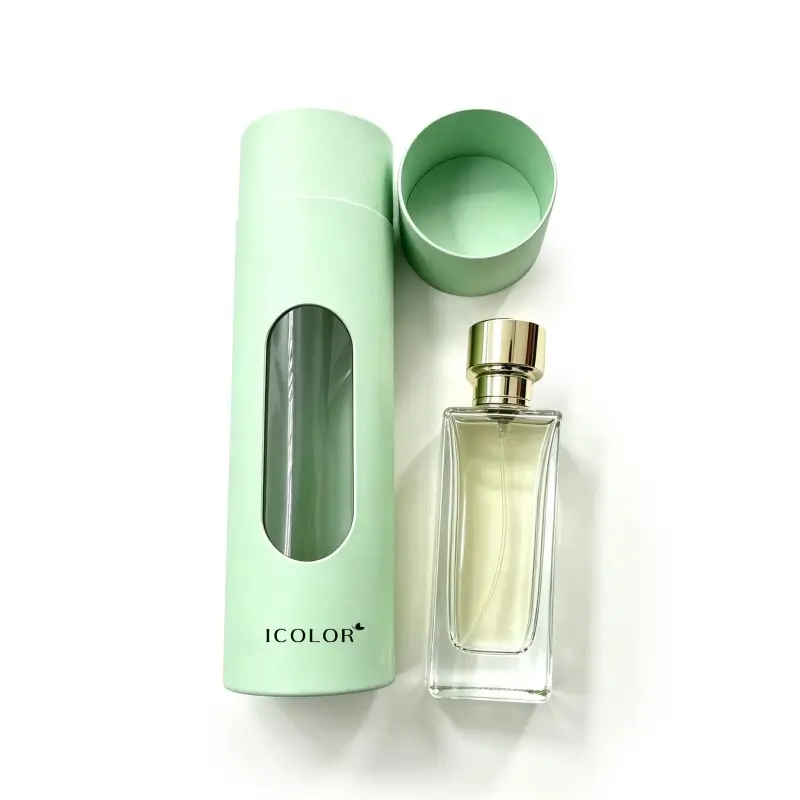
Verified result: sample approval led to a 1,000+ unit order
After the measurement review and insert correction, the revised sample was approved and the project moved into a 1,000+ unit order. The useful lesson is not that every moving bottle needs the same insert. It is that a bottle-size line should not be treated as complete fit evidence when the product is unavailable.
This result is reported at a deliberately broad level. Ecoicolor is not publishing the buyer’s name, exact quantity, artwork, private product photos or commercial records.
What to send when the bottle cannot be shipped
A buyer can make a paper tube RFQ more reliable by sending one evidence pack instead of separate messages:
- Front, side, top and base photos with a ruler or caliper reference.
- Widest bottle diameter, total height with cap, cap diameter and filled weight.
- A note showing which surfaces may contact an insert and which must remain clear.
- Target order quantity, delivery country and target launch or packing date.
- Artwork status, print direction and any paper-document request.
- Expected retail pack-out, including labels, cards, cartons or protective wrapping.
If paper sourcing documents are part of the brief, request them against the selected material route rather than using a blanket claim. FSC chain-of-custody information1 explains how certified material is identified and tracked through the supply chain.
Best fit and less suitable inquiries
Best fit
Brand and sourcing teams planning 1,000+ custom paper tubes for a defined bottle, willing to provide product evidence, approve a physical sample, review the insert and confirm artwork before bulk production.
Less suitable
Single-piece requests, projects with no defined product, buyers seeking final bulk pricing from bottle volume alone, or urgent orders that do not allow fit and sample approval.
FAQ
Can Ecoicolor review a paper tube without the physical bottle?
Yes, but the project team needs to provide a controlled measurement-photo pack, filled weight and clear cap and shoulder dimensions. A physical product or accurate dummy remains the stronger route when available.
Does every glass bottle paper tube need an insert?
No. The need depends on clearance, bottle shape, movement, removal route and transport expectations. The insert should solve a defined fit problem rather than be added automatically.
What paper tube MOQ should a brand plan for?
Ecoicolor normally plans custom paper tubes from MOQ 1,000. Structure, print, insert and pack-out can affect the final quote and sample route.
What should be approved before bulk production?
Approve product fit, cap and shoulder clearance, bottle removal, insert stability, tube opening feel, artwork, color, surface finish and retail pack-out on the agreed sample.

About Vivi Lu
Vivi Lu, Sales Manager at Ecoicolor, works with brand and sourcing teams on custom packaging briefs, material routes, sample review and MOQ planning. Connect with Vivi Lu on LinkedIn.