Use this guide to compare vegan leather packaging materials for beauty and fragrance projects before you brief a supplier. The goal is not to pick the most impressive-sounding material name, but to confirm certificate scope, claim boundaries, sample feel, production fit and retailer ESG submission support.
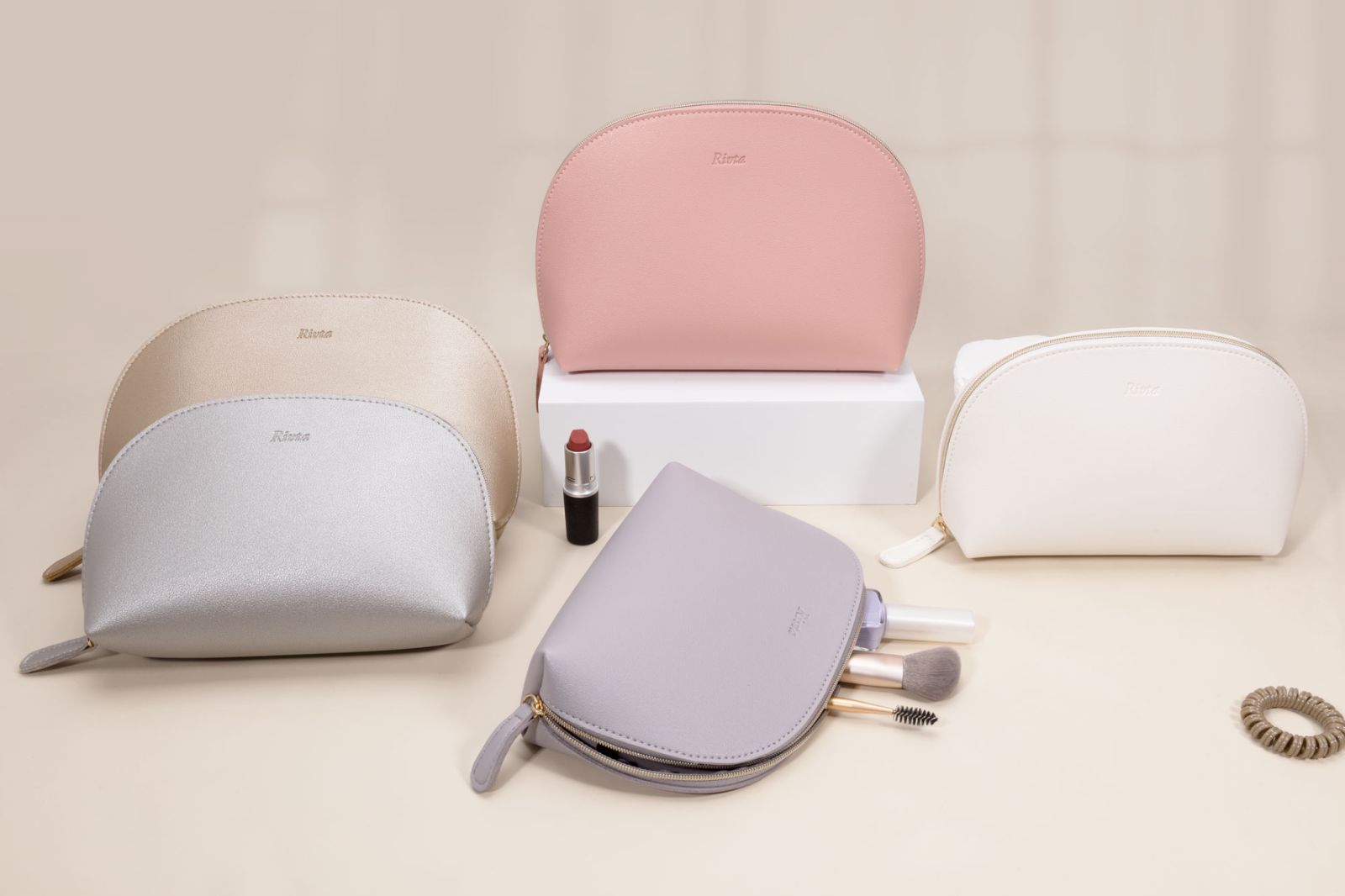
For cosmetic bags, jewelry pouches, travel cases and gift set accessories, vegan leather can look polished and retail-ready. It can also be confusing: PU, recycled PU, apple leather and other coated materials may all appear in supplier conversations, but each one has different documentation, hand feel, cost route, MOQ and wording limits.
Need a material route your retailer can review?
Send Ecoicolor your product use, target market, claim wording and sample deadline. We will help organize the material options before quotation.
Send a Packaging Brief Compare Material and Printing OptionsSchnelle Antwort
Before choosing vegan leather for custom beauty packaging, ask for the material composition, certificate scope, available colors, minimum order quantity, sample route, logo method, care notes and claim wording support. A supplier should be able to explain what the certificate covers, what it does not cover, and which files can support a retailer ESG or vendor submission.
What Buyers Should Confirm First
For a beauty or fragrance brand, vegan leather selection should start with documentation and use case:
- Product use: cosmetic pouch, makeup bag, travel case, jewelry pouch, gift set insert or retail tote detail.
- Material type: standard PU, recycled PU, plant-based blended material, microfiber leather or coated textile.
- Certificate scope: whether the document covers raw material, fabric roll, finished product, factory audit or social compliance.
- Claim boundary: what the brand can say on PDPs, hangtags, retailer forms and internal sourcing sheets.
- Sample route: swatch, hand-feel sample, color lab dip, logo test and finished sample.
- MOQ and color split: whether each color, texture or backing requires a separate setup.
- Retailer files: test reports, declarations, supplier profile, audit documents and material traceability notes.
For category planning, see Ecoicolor’s custom cosmetic bag manufacturing und sustainable packaging materials pages.
Vegan Leather Material Comparison for Packaging
| Material route | Common use | What to verify before approval |
|---|---|---|
| PU vegan leather | Cosmetic bags, jewelry pouches, rigid case covers | Surface durability, color range, odor check, backing fabric and logo method |
| Recycled PU route | Pouches, travel cases, branded accessories | Recycled-content certificate scope, material batch record and claim wording |
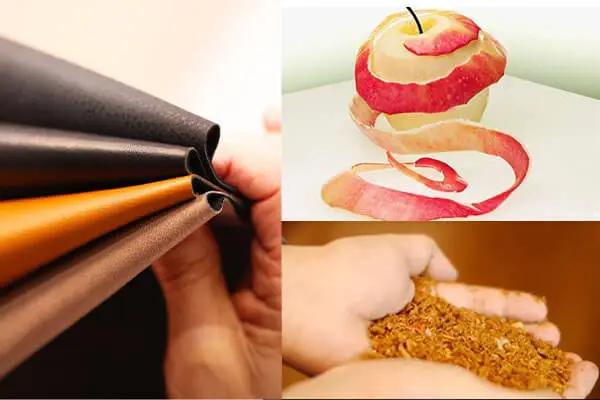
| Apple leather blend | Premium gift packaging, small accessories | Composition, available thickness, color consistency and MOQ |
| Microfiber leather | Structured cases and premium pouches | Hand feel, edge finishing, scratch resistance and sample timing |
| Coated textile | Lightweight pouches and retail kits | Coating type, seam behavior, print route and care notes |
1. Do Not Treat Every Certificate as the Same
A certificate is only useful when the buyer understands what it covers. Some documents apply to the raw material supplier. Some apply to the fabric roll. Some apply to the finished product factory. Some are factory audit documents rather than material documents.
Ask the supplier to identify:
- Certificate owner and issuing body.
- Certificate number and valid date.
- Material name or product category covered.
- Whether the certificate applies to the material, the finished item or the factory.
- Whether your order quantity, color or construction falls within the documented scope.
This matters because a retailer ESG form may ask for proof at a very specific level. A general material brochure may not be enough for a formal vendor submission.
2. Define the Claim Boundary Before Artwork
Claim boundary means the exact wording your brand can use without overstating the material route. This should be agreed before hangtags, PDP copy, retail sell sheets or packaging artwork are finalized.
Good claim-boundary questions include:
- Can the material be described as vegan leather, recycled PU, apple leather blend or another specific term?
- Does the claim apply to the outer shell only, the lining, the whole pouch or only one component?
- Does the zipper, thread, patch, lining or label need a separate statement?
- Does the retailer require a certificate upload, test report or supplier declaration?
- Should the brand use a longer explanatory note instead of a short claim?
Avoid broad wording that cannot be tied back to files. For retailer-facing work, precise language is more useful than large claims.
3. Use Samples to Check Hand Feel, Structure and Finish
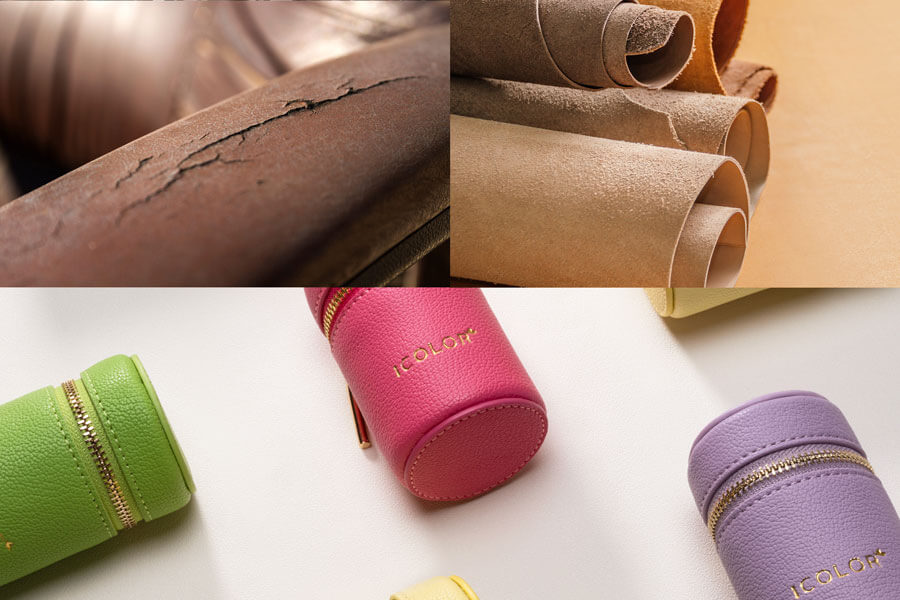
Vegan leather packaging is not selected by document review alone. The material needs to feel right in the buyer’s hand and behave correctly in the intended structure.
For a cosmetic bag, review bend, seam bulk, lining compatibility, zipper behavior and logo readability. For a jewelry pouch, check softness, drawstring movement and how the material holds debossing or foil. For a travel case, check abrasion, edge finishing and whether the material marks easily during packing.
A practical sample route is:
- Material swatches for color, texture and thickness.
- Logo test for embossing, debossing, foil, print, patch or label.
- Blank sample for size, seam and structure.
- Finished sample with chosen material, lining, hardware and logo.
Need to stage swatches and samples?
Confirm MOQ, color split and sample timing before approving a material for a launch calendar.
Check MOQ and Sample Route View Custom Pouches and Bags4. Match Material Choice to Retailer ESG Submission Needs
Retailer ESG submissions often require more than a finished product photo. A buyer may need to upload documents that show material composition, supplier name, audit status, traceability notes or certificate validity.
Before final quotation, ask what files can be supplied:
- Material specification sheet.
- Certificate or scope document.
- Supplier declaration.
- Factory audit or social compliance document.
- Test report when required by the sales channel.
- Product photos and sample approval record.
- Packing and carton information for vendor setup.
If your retailer has a template, send it to the supplier at RFQ stage. The supplier can then check which fields are supported and which need a different material route.
5. Check MOQ, Color and Logo Method Together
MOQ is affected by more than the finished bag quantity. Vegan leather projects can have separate minimums for material color, texture, backing, lining, hardware, zipper tape and logo process.
Ask the supplier to quote these variables clearly:
- MOQ by material color and texture.
- Quantity by SKU, size and color.
- Logo method options and setup needs.
- Sample timing for each logo method.
- Whether one material can support multiple product shapes.
- Whether the same material batch can be used across bags, pouches and case covers.
This helps your team compare landed value instead of comparing only unit price.
6. Build a Material Approval Sheet
A material approval sheet keeps marketing, sourcing, product development and compliance aligned. It can be a simple one-page record that travels with the project from RFQ to sample approval.
Einschließen:
- Material name and supplier reference.
- Composition and backing.
- Color name, Pantone reference or approved swatch code.
- Certificate scope and valid date.
- Approved claim wording.
- Product components using the material.
- Approved sample photo and approval date.
- Files received from supplier.
This sheet reduces confusion when the same vegan leather route is used across multiple SKUs or seasonal launches.
7. When Vegan Leather Is a Good Fit
Vegan leather can be a strong choice when the brand needs a premium hand feel, structured appearance, clean logo placement and a material story that can be documented carefully.
It is often suitable for:
- Cosmetic bags and makeup pouches.
- Jewelry pouches and watch pouches.
- Travel cases and organizer bags.
- Gift set accessories.
- Rigid box exterior wraps or insert details.
- Retail tote accents and handles.
It may not be the right route when the launch needs a very short sample cycle, a large number of small color splits, or a retailer claim that the available files cannot support.
FAQ
What is vegan leather in cosmetic packaging?
In cosmetic packaging, vegan leather usually refers to a non-animal coated material used for bags, pouches, cases, covers or decorative details. The exact composition should be confirmed before claim wording is approved.
What documents should buyers request for vegan leather packaging?
Ask for a material specification sheet, certificate scope, supplier declaration, relevant test reports, factory audit documents and any files required by your retailer or internal ESG process.
Can recycled PU be used for beauty packaging claims?
It can be used when the supplier can provide suitable documentation and the claim wording is limited to the documented material scope. The buyer should confirm whether the claim applies to the outer material, one component or the finished item.
Why are material swatches important before sampling?
Swatches help buyers review hand feel, color, thickness, texture, backing and logo compatibility before paying for a finished sample.
How should a brand prepare for a retailer ESG submission?
Share the retailer template with the supplier early, confirm which documents are available, and align claim wording with the certificate scope before artwork and hangtags are finalized.
Ready to compare vegan leather swatches?
Tell Ecoicolor your use case, color direction, retailer file needs and approval window. We can help prepare a clearer material shortlist.
Anforderung von Materialmustern Review Material and Claim Options