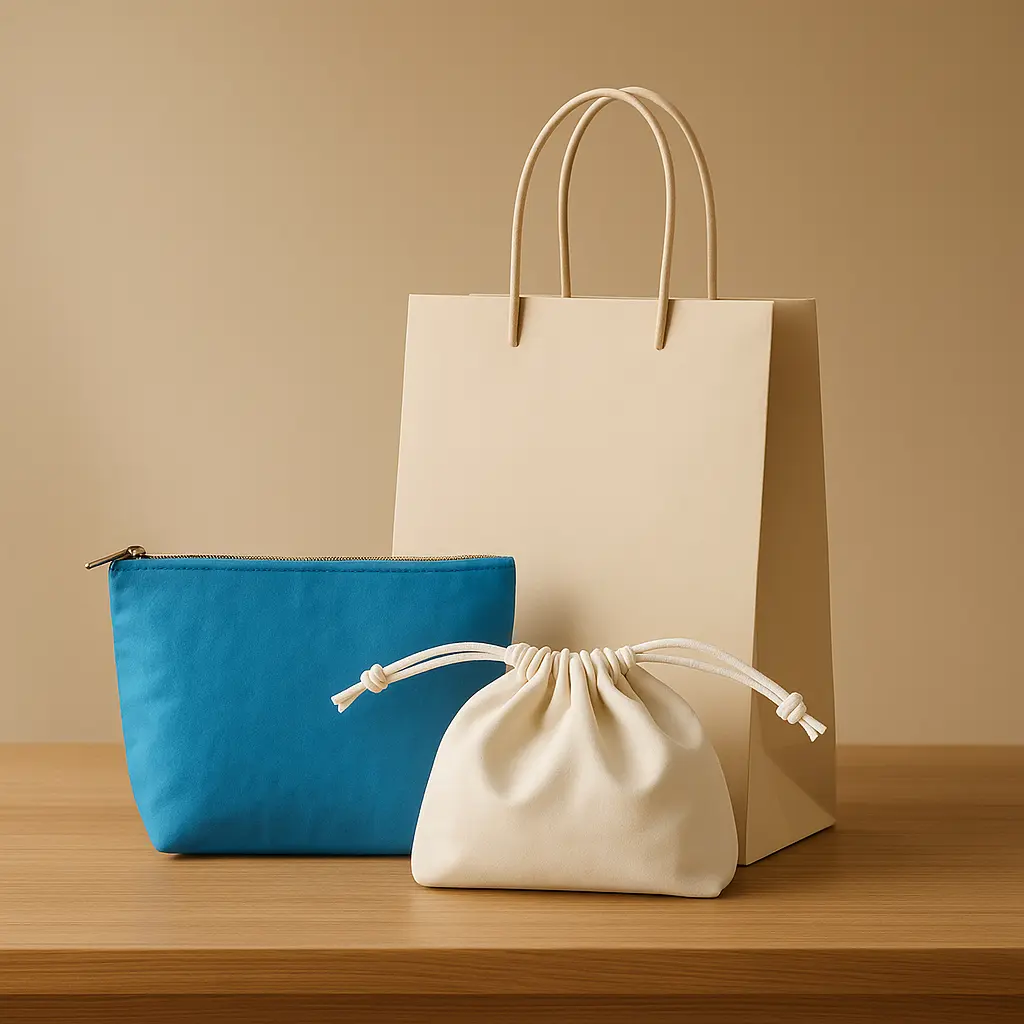
Buyer Summary
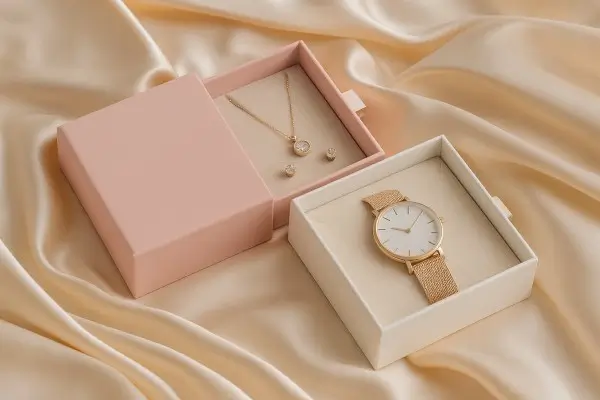
Use this when one jewelry collection combines paper drawer boxes, presentation boxes and fabric pouches. Digital CMYK or Pantone references are useful, but paper wrap, foil, satin, cotton and lining will not display color identically. Approve each material route physically, then review the full set together under consistent light.
Buyer insight: one palette can require several approvals
A recent jewelry brief arrived with exact sizes, quantities and brand colors for small and medium drawer boxes, drawstring pouches and a larger presentation box. The detail level made the RFQ much stronger than a catalogue request. The remaining risk was cross-material color alignment.
For example, a deep emerald or black-plum reference will look different on coated paper, uncoated paper, satin, cotton or suede-like fabric. Warm silver foil adds another reflective surface, while an interior described as the richest gold may need a separate lining or insert route.
Build a cross-material approval matrix
| Component | Digital reference | Physical approval |
|---|---|---|
| Drawer box wrap | CMYK/Pantone target and paper finish. | Printed or wrapped sample under agreed light. |
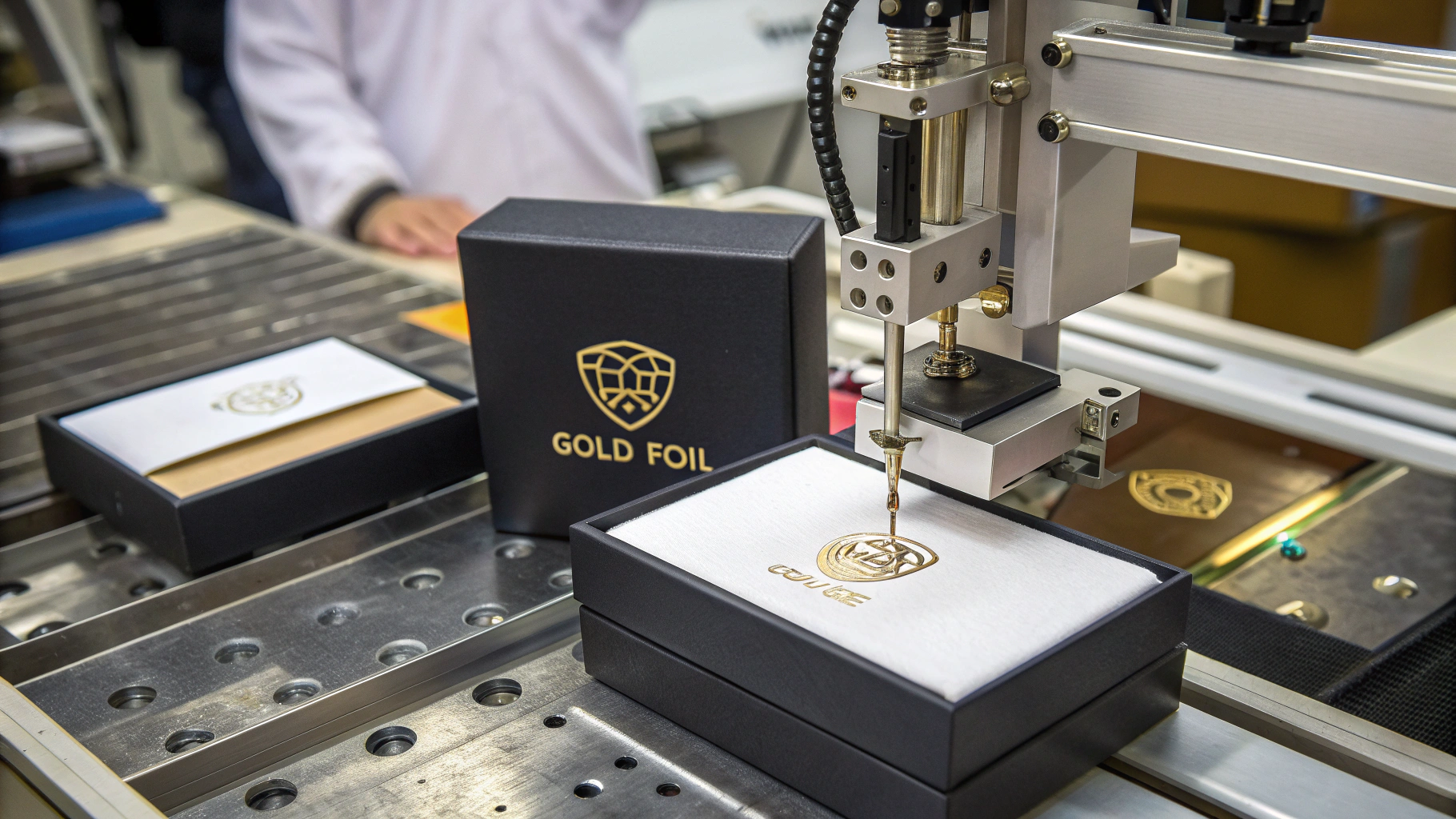
| Foil logo | Warm silver, gold or other foil direction. | Foil swatch and stamped logo on the chosen wrap. |
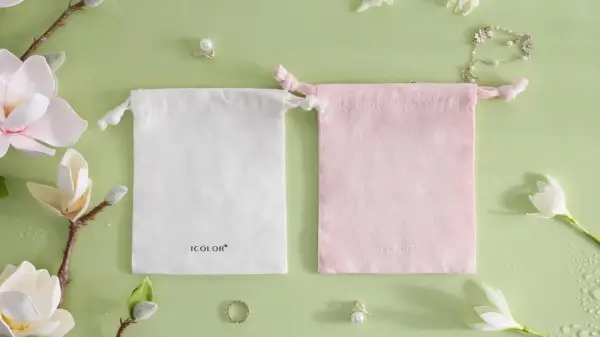
| Pouch fabric | Target color plus fabric route and sheen. | Dyed/stock fabric swatch with cord and logo method. |
| Insert or lining | Contrast or tonal color objective. | Actual insert material with the jewelry product. |
| Carton label/card | Retail information and barcode layout. | Printed proof and final pack-out position. |
Use Pantone Connect1 as a common language, not as a promise that every substrate will match visually. The approval record should identify the accepted sample for each component.
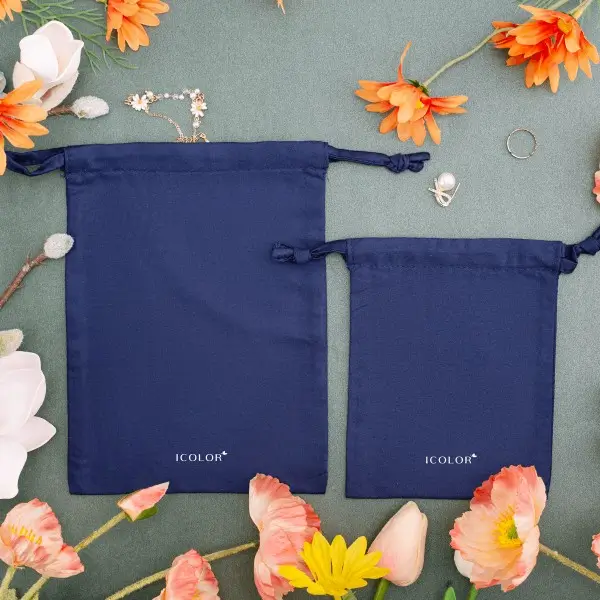
Approve foil, print and fabric separately
For paper sourcing and document conversations, FSC chain of custody2 can support the selected route when records and scope apply. For jewelry marketing terminology, FTC Jewelry Guides3 is a useful reference where product cards or labels contain metal or gemstone descriptions.
What to send before quotation
- Component list: drawer boxes, presentation box, pouches, cards, labels and carton packing.
- Size and quantity for every component, not only the main box.
- Brand color references with the intended material for each color.
- Logo files and finish route: foil, print, embroidery, woven label or screen print.
- Jewelry products or accurate dummies for insert and removal checks.
- Approval owner, destination country, target sample date and launch window.
Best fit and less suitable projects
PREGUNTAS FRECUENTES
Can paper and pouch fabric match exactly?
They can be coordinated, but identical appearance is not guaranteed because paper, fabric, coating, pile and sheen reflect light differently.
Should a brand use CMYK or Pantone values?
Either can guide communication. The final decision should be based on physical samples made on the actual material route.
When should foil be approved?
Approve foil tone and stamping on the chosen box wrap before bulk production; a loose foil swatch alone does not show pressure or coverage.
What MOQ applies?
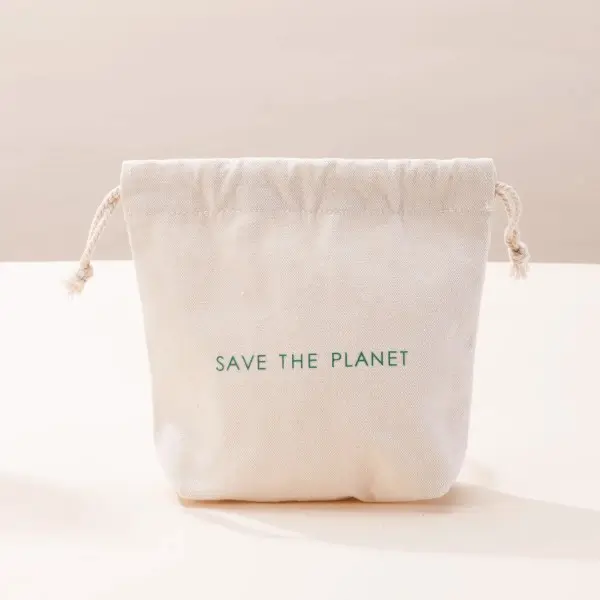
Sewn pouches normally start from MOQ 500; paper boxes and inserts normally start from MOQ 1000, subject to structure and material.
Who should sign off the color matrix?
Name one buyer-side approval owner for box wrap, foil, fabric, insert and retail cards to prevent conflicting feedback.
About the Author

Vivi Lu supports Ecoicolor buyers with RFQ review, structure choices, material routes, sample approval and retail packing for beauty, fragrance, jewelry and sewn-pouch projects. Connect with Vivi Lu on LinkedIn.