Buyer Summary
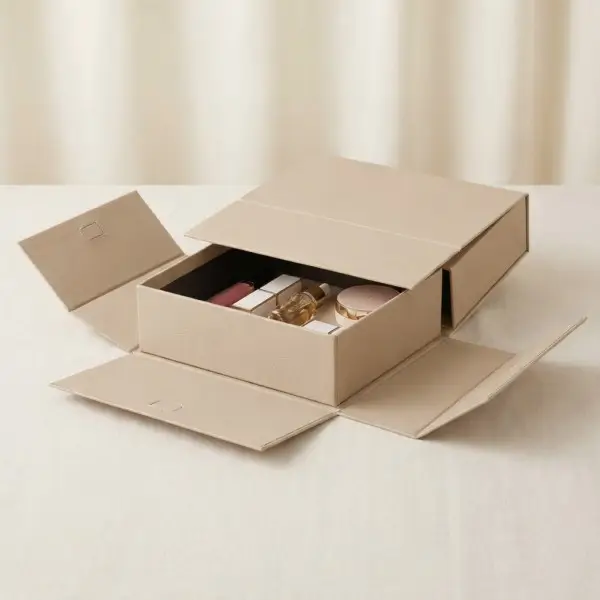
Inspect a collapsible rigid box in three states: flat, assembled and fully packed. The signed standard should define panel squareness, magnet alignment, tape bonding, corner condition, insert fit, repeated assembly and carton protection. Sampling by attributes can help organize a lot inspection, but the buyer and supplier must agree on visible pass/fail criteria for this exact structure.
Bulk QC begins with one signed assembly standard
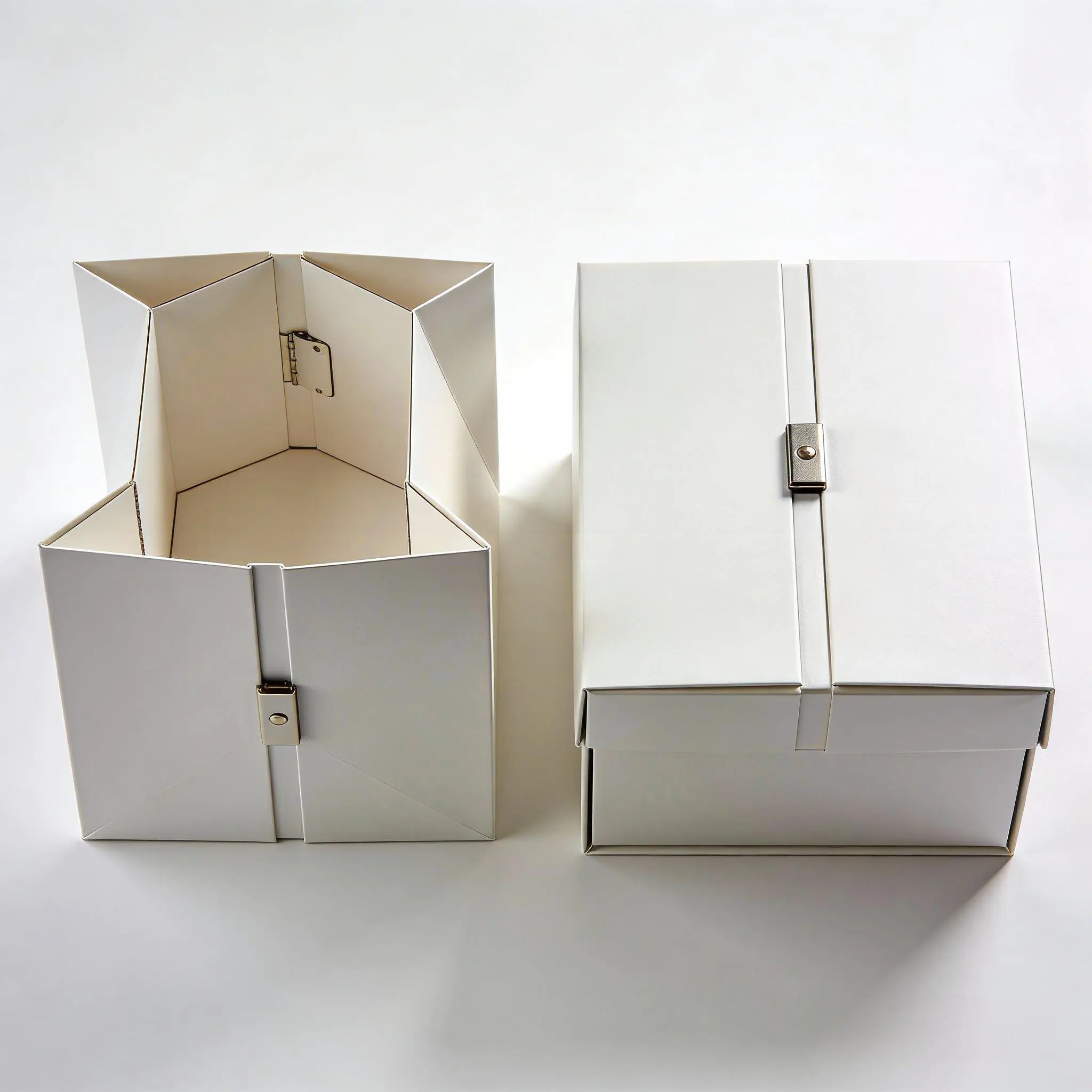
The approved sample should include the complete setup method: which panel folds first, where pressure is applied, how magnets meet and how the insert is loaded. If the bulk team is given only a flat drawing, inspectors may judge components separately while missing a box that twists, gaps or closes unevenly after assembly.

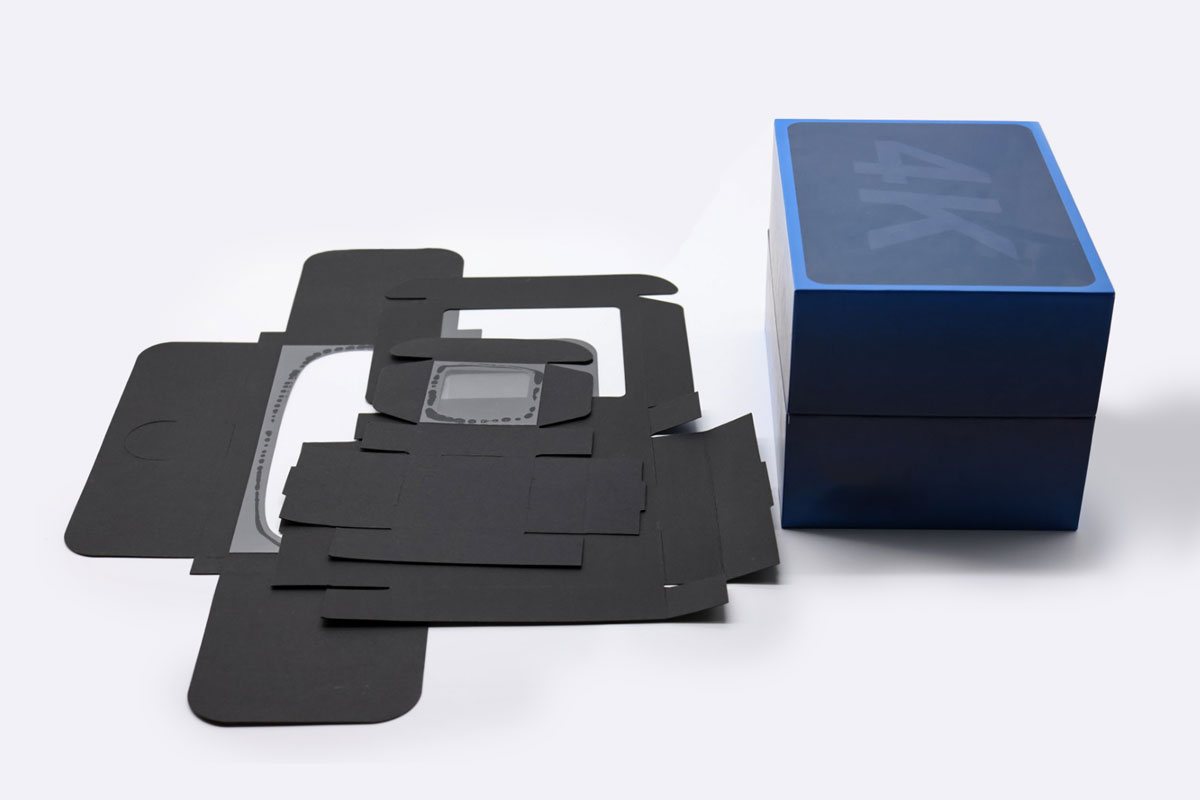
Four zones that determine assembled-box consistency
Magnet alignment
Check closing position, panel flushness and whether the lid pulls sideways before it seats.
Tape bonding
Inspect lift, bubbles, exposed adhesive and weak contact at every designed bonding zone.
Panel squareness
Compare top, base and side alignment after the box has been set up on a flat surface.
Insert fit
Load the real product or accurate dummy and confirm the insert does not force the box out of shape.


Repeated assembly is a functional inspection, not a display test
The same sample should be collapsed, assembled, loaded and closed several times during approval. The buyer does not need to invent a universal cycle count; the team needs a documented method that reflects how pack-out staff and end users will handle the box. Record any progressive corner lift, tape movement, ribbon interference or change in magnet feel.
- Assemble the box in the documented order without forcing panels into position.
- Place it on a flat surface and inspect rocking, diagonal twist and visible gaps.
- Load the insert and products, then close the lid and compare magnet position.
- Collapse and repeat using the same sample; note any change in bond or panel memory.
- Pack the finished unit in its protective materials and confirm carton orientation.

Use lot sampling only after defects are defined
ISO 2859-11 provides a framework for inspection by attributes. It does not choose the acceptable quality level or defect classification for an individual project. Those decisions should be agreed by the buyer and supplier before inspection, with photographs or physical standards for critical, major and minor findings.
| Inspection item | Pass evidence | Hold or review signal |
|---|---|---|
| Magnetic closure | Lid seats in the signed position with consistent visible alignment. | Misaligned contact, weak seating or panel shift. |
| Bonded zones | Tape is fully contacted with no lift or exposed adhesive. | Corner lift, bubbles, contamination or bond movement. |
| Assembled geometry | Box sits square and matches approved dimensions within agreed tolerance. | Twist, rocking, gapping or lid interference. |
| Insert and product | Insert seats without forcing panels and products can be removed safely. | Insert buckle, product pressure or blocked access. |
| Cosmetic finish | Visible faces match the signed sample under agreed inspection conditions. | Scuffing, wrap damage, print shift or stain beyond the agreed limit. |
Release the packed unit, not only the empty box
ISTA test procedures2 supports distribution-test planning, while the FEFCO Code3 helps teams communicate paper-based structural routes. For release, inspect the actual flat-pack protection, assembly instructions, insert, product load and shipping carton together. A strong empty box is not enough if its panels scuff in flat shipment or the pack-out route damages the finish.
Related procurement guides
PREGUNTAS FRECUENTES
Should collapsible rigid boxes be inspected flat or assembled?
Both. Inspect flat components for damage and bonding, then assemble the box to check geometry, closure, insert fit and pack-out.
How should magnet alignment be approved?
Use the signed assembled sample and visible reference points. Define the acceptable closing position and panel alignment before bulk inspection.
Can ISO 2859-1 set the inspection standard automatically?
No. It provides sampling procedures. The buyer and supplier still need to agree on lot, inspection level, AQL and defect definitions for the project.
Why repeat the assembly check?
Repeated setup can reveal tape movement, corner lift, panel memory and changing closure feel that one display assembly may not show.
What should the release record include?
Record lot identity, sample plan, defect findings, photos, assembled dimensions, product-fit result, packing check and disposition.
About the Author

Vivi Lu supports Ecoicolor buyers with RFQ review, structure choices, material routes, sample approval and retail packing for beauty, fragrance, jewelry and sewn-pouch projects. Connect with Vivi Lu on LinkedIn.