Use this guide to compare popular jewelry case designs by material, structure and product fit. Instead of turning this page into another generic RFQ article, the focus here is material selection: paper boxes, velvet cases, fabric pouches, PU surfaces, apple leather, wood-look styles, acrylic displays, metal accents, satin linings and insert systems.

Jewelry case materials affect how the product is presented, protected and remembered. A ring box needs a different material logic from a necklace case, bracelet pouch or retail jewelry kit. The right choice should connect handfeel, display angle, logo method, insert fit, packing method and brand positioning.
Need help choosing jewelry case materials?
Send Ecoicolor your jewelry type, case style, material direction, insert need, logo method and target quantity. We will review material routes before sampling.
Send a Packaging Brief View Jewelry PackagingRespuesta rápida
Popular jewelry case designs include paper rigid boxes, drawer boxes, velvet ring boxes, fabric-covered boxes, PU cases, apple leather cases, satin pouches, microfiber pouches, acrylic display cases and insert-led gift sets. Buyers should compare each material by jewelry type, handfeel, logo method, insert fit, surface protection, packing method and sample route.
Material and Design Comparison
| Design route | Best use | Buyer checks |
|---|---|---|
| Paper rigid box | Retail jewelry sets and gift programs | Paper texture, print result, corner finish and insert fit |
| Cajonera | Necklaces, bracelets and multi-piece sets | Tray pull, ribbon, insert depth and carton packing |
| Velvet ring box | Rings, earrings and proposal sets | Pile direction, dust control, slot angle and logo area |
| Fabric-covered box | Soft presentation and boutique collections | Fabric tension, glue marks, color and edge finish |
| PU case | Structured travel or premium retail cases | Surface grain, debossing, lining and scuff standard |
| Apple leather case | Material-story collections | Claim wording, backing, texture and logo test |
| Satin pouch | Gift sets and soft presentation | Snag risk, drawstring, logo method and packing protection |
| Microfiber pouch | Jewelry storage and customer retention | Handfeel, stitch quality, color and logo result |
| Acrylic display case | Retail display and visibility | Scratch standard, clarity, insert support and packing |
| Insert-led gift set | Collections and limited programs | Cavity layout, product removal and component matching |
For related category options, review Ecoicolor’s jewelry packaging y fabric drawstring pouches.
1. Paper Rigid Boxes for Scalable Retail Programs
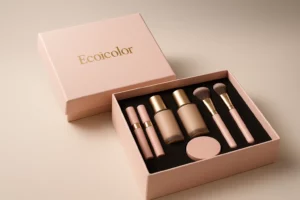
Paper rigid boxes are useful when the brand needs a repeatable structure, print-friendly surface and a clean retail presentation. They can support sleeves, cards, inserts and multiple SKU versions without changing the entire packaging system.
Use this route when:
- The jewelry line has several SKUs.
- The brand needs printed sleeves or labels.
- The insert can be paperboard, velvet-covered or card-based.
- The box needs to fit retail cartons efficiently.

2. Drawer Boxes for Necklaces and Gift Sets
Drawer boxes work well when the product needs a reveal moment and a stable insert. They are common for necklaces, bracelet sets, charm sets and jewelry care kits.
Check tray movement, ribbon pull, insert height and chain control. For drawer structures, review Ecoicolor’s cajas de cajones a medida.
3. Velvet Ring Boxes for Soft Display
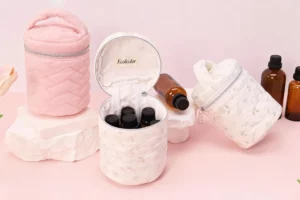
Velvet is often selected for ring boxes and small jewelry cases because it creates a soft display surface. The buyer should check pile direction, dust control, color consistency and how the logo will appear on the outside or inner lid.
Velvet needs careful packing protection because surface marks and lint can be more visible than on printed paper.
4. Fabric-Covered Boxes for Boutique Texture
Fabric-covered boxes can give jewelry packaging a softer, more tactile feel. They work best when the brand wants texture without relying on a glossy surface.
Confirm fabric tension, edge wrapping, glue marks, corner finish and whether the logo should be a woven label, patch, print or metal badge.
5. PU Cases for Structured Presentation
PU cases can provide a structured look for travel jewelry cases, compact ring boxes and selected retail programs. The supplier should confirm surface grain, backing, lining, debossing result and scuff standard.
PU is also useful when the brand wants a smooth logo area or a more case-like construction.
Need to compare samples and material swatches?
Review paper, velvet, fabric, PU, pouch and insert options with swatches before approving the case design.
Comprobar MOQ y ruta de muestras Review Insert Options6. Apple Leather Cases for Material Story Collections
Apple leather and other plant-based material routes can help a jewelry brand build a stronger material story, but the claim should be reviewed carefully. Ask which component uses the material, what backing supports it, and what wording the supplier can support.
For a material-story case, test swatches, logo method, edge finish and surface protection before approving production.
7. Satin and Microfiber Pouches for Storage
Pouches are often kept by customers after purchase, so the material should feel good in hand and protect the jewelry finish.
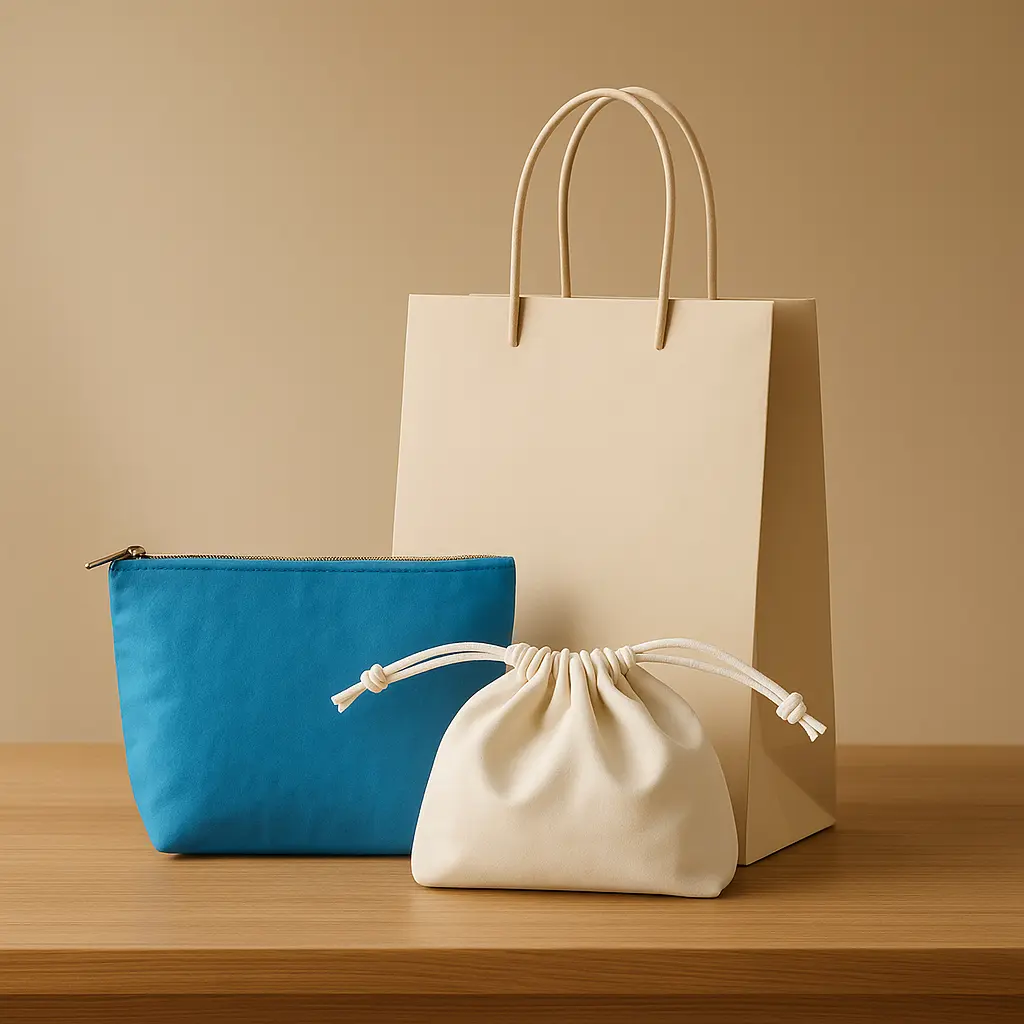
Compare satin for a shiny gift feel, microfiber for jewelry storage, cotton or canvas for natural texture, and velvet for a richer soft-touch presentation. For pouch programs, see custom pouches and bags.

8. Acrylic and Display Cases for Visibility
Acrylic display cases are mainly useful when the product needs visibility. They can work for retail counters, limited sets or display kits, but buyers should check scratch standard, clarity, insert support and carton protection.
Use this route only when visibility is part of the customer experience.
9. Metal Accents for Premium Detail
Metal plates, charms and logo badges can make a simple case feel more refined. They also add setup steps, attachment checks and scratch control.
Confirm metal color, finish, placement, attachment method and whether the metal detail touches the jewelry during packing.
10. Insert-Led Designs for Multi-Piece Sets
Some jewelry cases are defined more by the insert than the outer box. A multi-piece set may need cavities, necklace card slots, ring slots, earring holes and space for a care card.
The buyer should test the insert with real jewelry before approving the final material and logo.
PREGUNTAS FRECUENTES
Which jewelry case material is best?
The best material depends on jewelry type, display goal, logo method, insert need, retail channel and packing plan. Paper, velvet, PU, fabric, satin, microfiber and material-story surfaces can all work when tested with the actual product.
Are pouches part of jewelry case design?
Yes. Many jewelry programs use both a box and a pouch so the customer receives retail presentation and a storage piece.
Why should material swatches be reviewed first?
Swatches help buyers compare color, handfeel, texture, thickness and logo compatibility before paying for full case samples.
What should be checked in a jewelry case sample?
Check product fit, insert hold, logo position, surface marks, opening feel, color consistency, pouch function and carton packing.
Ready to compare jewelry case materials?
Share your jewelry type, case design, insert need, material preference and logo file. Ecoicolor can review swatches and sample options before production.
Solicitar muestras de materiales View Fabric Pouches