RFQ / Materials / Budget
Target price details before material selection
Target price is not a trick to force the buyer into the lowest material.



Buyer Summary
Target price is not a trick to force the buyer into the lowest material. It helps Ecoicolor recommend a realistic route. Many buyers like several sustainable-looking materials, but the quote can exceed budget when the brief has no target range. A useful brief gives product use, quantity, target price, destination country, material preference, logo method, document needs and sample timing. Ecoicolor can then suggest whether a sewn pouch, paper box, paper tube, insert or simpler card route fits the project.
Send a Target-Price Packaging Brief 素材見本のリクエスト Send a Packaging Brief Check MOQ and Samples
Material preference without target price creates slow RFQs
A brand buyer may like rPET, organic canvas, textured paper, recycled board and premium finishes at the same time. Without target price, Ecoicolor can only quote the requested route or ask more questions. The result is often a quote that looks technically correct but does not fit the buyer’s commercial plan.
Target price decision matrix
Target price helps the supplier recommend, not just quote
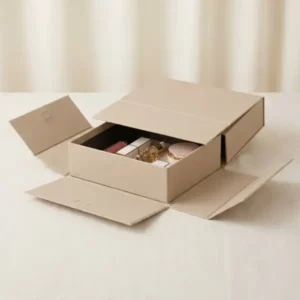
When the buyer shares a target range, Vivi can recommend a realistic material path. A sewn pouch may fit MOQ 500 and campaign value better than a rigid box. A paper tube may be useful for fragrance samples, but a folding carton may fit retail panels and budget better. The goal is not lowest-cost packaging; the goal is a route the brand can approve.


Document language must stay project-dependent
If recycled-content or paper-document support matters, use official context such as Textile Exchange GRS information1 そして FSC chain-of-custody information2, then confirm whether the selected material route actually supports the requested documents. Ecoicolor should not turn material interest into automatic certification claims. The quote should state what can be supported for the specific project.
Color and material behave differently across fabric and paper
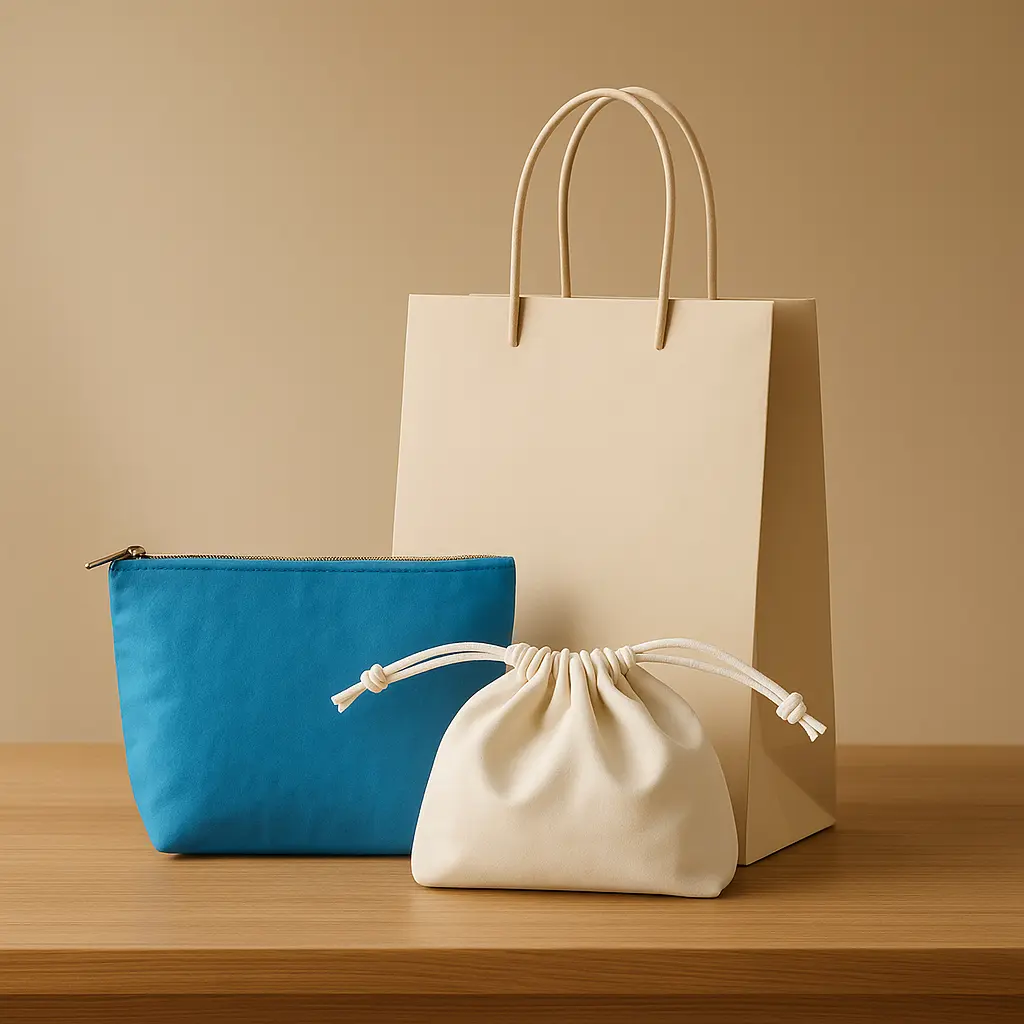
Jolian’s earlier point matters here: the same color can look different on fabric and paper. A cosmetic pouch, paper box and insert may need separate sample approval even when the brand wants one color family. Pantone color systems3 is useful background for color communication, but physical samples remain the practical decision point.
Best fit and less suitable inquiries
Best fit: beauty, skincare, fragrance and jewelry buyers who can share product use, MOQ, target price, material direction, artwork and delivery market. Less suitable: buyers who ask only for the lowest price, refuse to share budget range, or want broad sustainability claims before choosing a real material route.
RFQ sequence before sampling
- State product use, quantity and delivery market.
- Share target price or a practical budget range.
- List preferred material routes and any document needs.
- Review swatches and samples before locking bulk production.
RFQ checklist when the buyer is unsure about budget
If the buyer does not know the final unit target, the brief can still give a usable range. For example, it can say whether the project is a GWP item, a retail set, a premium launch kit or a basic protective package. It can also rank priorities: handfeel, document support, shelf presentation, reusable value, fast sample timing or lower setup risk.
For cross-border launches, the delivery market and product classification discussion may affect timeline and internal planning. ISO 2859-1 sampling procedures4 are also useful context for inspection planning, but they do not replace a physical approval sample for color, logo and material feel.
Composite planning scenario: sustainable material list exceeded budget
A common RFQ starts with a long list of sustainable-looking materials. The buyer likes rPET fabric, textured paper, special lining, foil logo and a premium insert. The first quote can become too high because the supplier followed the requested list instead of understanding the commercial target. When the buyer later shares the target range, Ecoicolor can often simplify the route: keep the most important brand-facing material, reduce the hidden cost driver, or move a document-heavy request to a later confirmed material route.
This does not mean reducing quality. It means matching the material route to the actual project. A skincare GWP pouch may need strong logo visibility and good handfeel more than a complex rigid box. A fragrance sample tube may need diameter accuracy and insert fit more than an expensive finish. A jewelry pouch may need consistent color and drawstring behavior more than the most premium fabric.
What not to ask for in the first email
Do not ask Ecoicolor to confirm a broad sustainability claim before the material route is chosen. Do not ask for final bulk price without quantity, destination, artwork and sample route. Do not hide the target range when the project has a fixed campaign budget. These gaps slow the quote and can make the first recommendation less useful for a real launch.
よくあるご質問
Why does Ecoicolor ask for target price?
Target price helps Ecoicolor recommend a material and structure route that fits the buyer’s commercial goal instead of quoting an attractive but unrealistic option.
Does sharing target price mean choosing the lowest-cost material?
No. It helps balance handfeel, structure, document support, logo method, MOQ and sample approval against the budget.
Should buyers still request material swatches?
Yes. Swatches are useful, especially when fabric and paper colors may appear differently.
What MOQ applies to material selection?
Sewn pouches normally start from MOQ 500. Paper boxes, tubes and inserts should normally be planned from MOQ 1000.
Can document support be confirmed from the first email?
No. Document support depends on the selected material route, supplier scope and project requirements.
About the Author
ヴィヴィ・ルー works with Ecoicolor buyers on custom packaging briefs, material route review, sample approval and MOQ planning for beauty, fragrance, essential oil and jewelry brand projects. Connect with Vivi Lu on LinkedIn.
Trademark and Certification Note
Third-party names and standards are used for descriptive reference only. Ecoicolor document support depends on the selected material route, supplier scope, order documents and current project requirements. Buyers should confirm document scope before making public claims.
Sources
- Textile Exchange Global Recycled Standard information for recycled material document context. ↩︎
- FSC chain-of-custody information for paper-based material document support. ↩︎
- Pantone color systems for cross-material color communication. ↩︎
- ISO 2859-1 sampling procedures for inspection by attributes. ↩︎