Buyer Summary
Use this guide when a fragrance or essential oil buyer needs a discovery set, insert card, barcode label or retail-ready information route before sampling. The goal is not to repeat the broad discovery-set RFQ page; it is to make the retail details quotable before the box, vial insert and paper card route are approved.
Separate the retail information route from the box structure
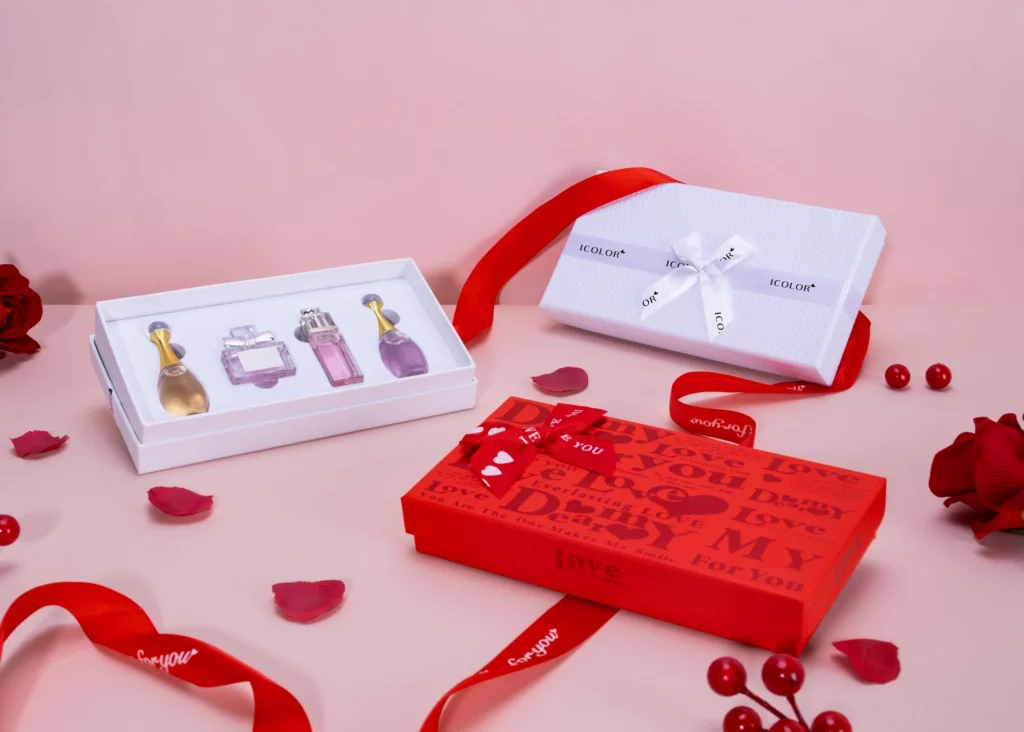
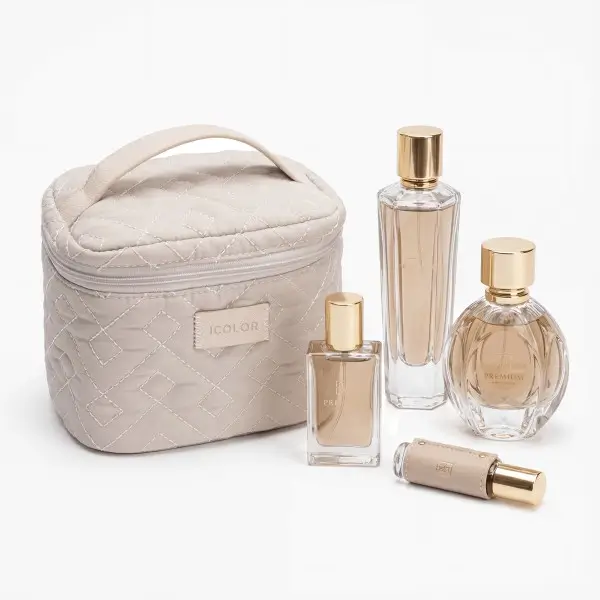
A discovery set can include sample vials, a rigid box, a paper tube, a card, a sleeve, barcode labels and sometimes a pouch. The retail information route should be planned before the buyer approves the insert, because a barcode, QR card or fragrance note card can change the insert spacing and packing order.
For barcode and retail label planning, GS1 barcode planning1 is a useful authority source. For fragrance projects, IFRA fragrance standards context2 gives fragrance-specific standards context, but Ecoicolor still needs the buyer’s product label requirements and target market information before sample approval.
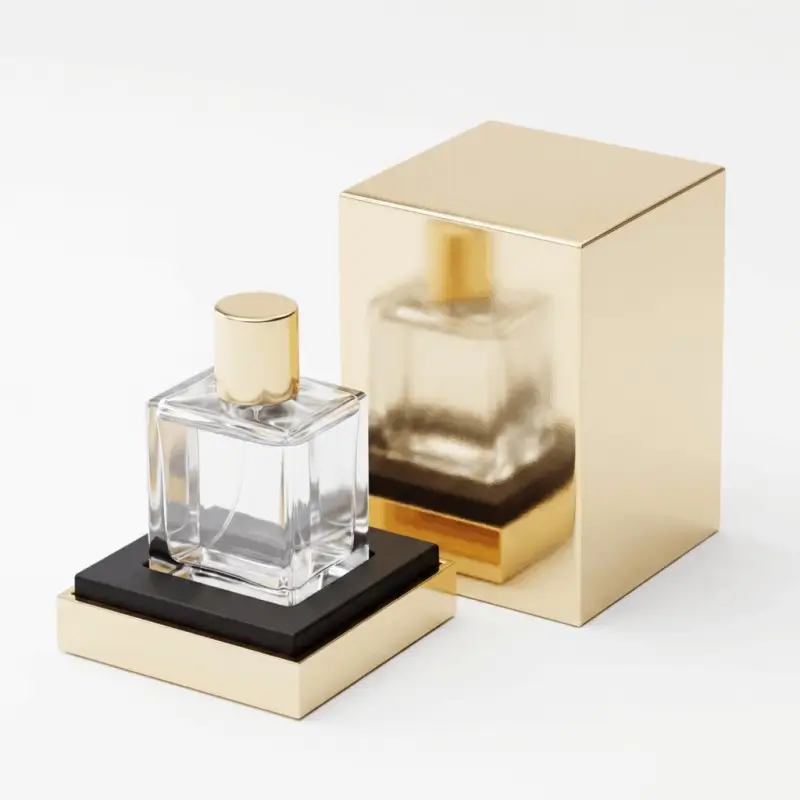
Four details to lock before sampling
- Vial count and vial size: Confirm whether the set holds 2, 3, 5 or more vials. Insert spacing, card pocket and box depth can change quickly.
- Insert card purpose: A card may explain fragrance notes, ingredients, QR instructions, refill information or retail use. Its size should be planned with the insert.
- Barcode or label area: Do not wait until printed sample approval to decide where retail labels sit. The label area can change sleeve, carton or back-card layout.
- Document wording: Paper box or card document support should stay project-specific. FSC chain-of-custody documentation3 can support chain-of-custody discussions when the material route allows it.

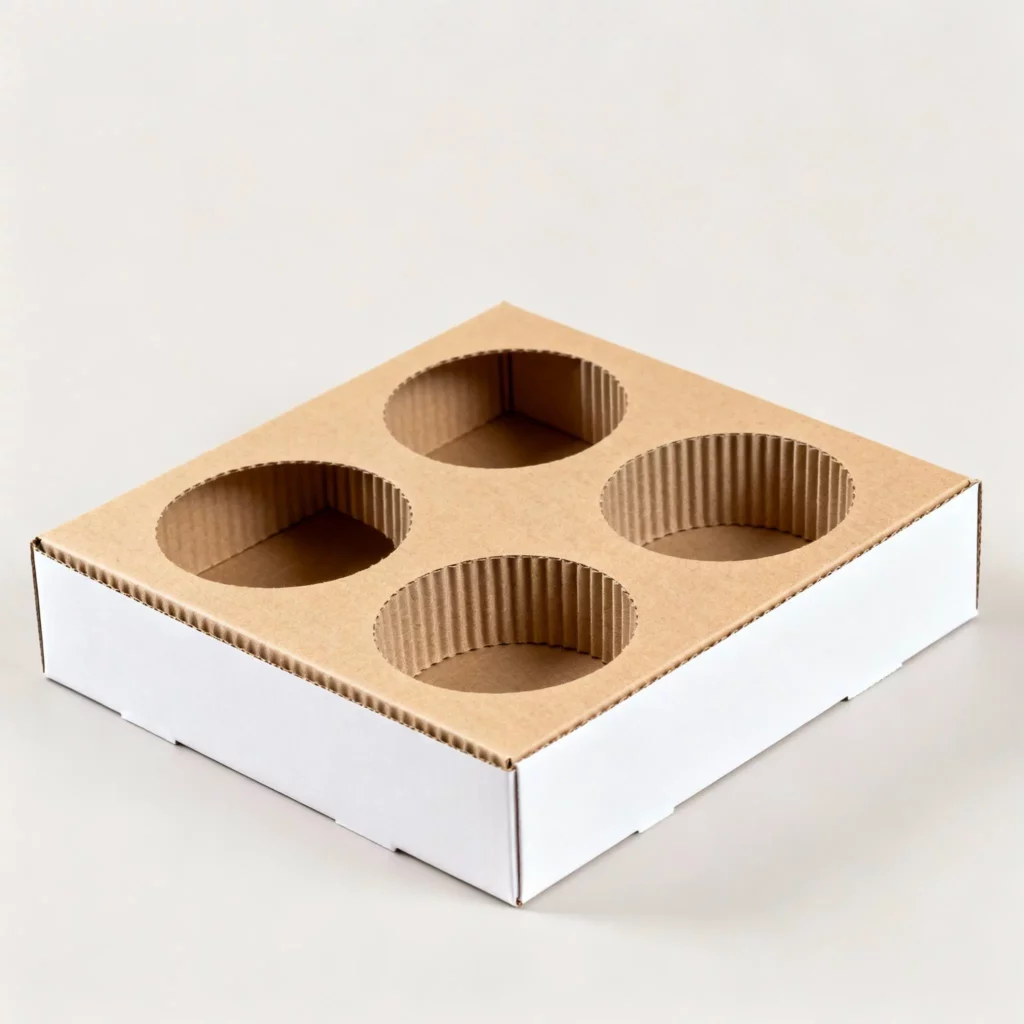
RFQ table for discovery set information planning
Best fit, less suitable and internal route
This route is strongest for fragrance, perfume or essential oil brands that already know the vial count, sample size, retail channel and launch window. It is weaker when the buyer only says discovery set, has no vial dimensions, no retail information plan and no MOQ readiness.
Best fit
Fragrance brands planning discovery sets, sample vial kits, paper cards or retail labels with MOQ 1000+ for paper packaging routes.
Less suitable
No vial dimensions, no target market, no label/card plan, below-MOQ tests or requests for final pricing before the product map is clear.
Internal route
Use Ecoicolor’s fragrance and perfume packaging page for the full packaging route, then add the card/barcode detail in the RFQ.
If the buyer is still deciding structure, connect this narrower checklist with the existing perfume discovery set RFQ guide instead of creating a second broad discovery-set page.
よくあるご質問
What MOQ should fragrance brands expect for discovery set boxes?
Paper boxes, rigid boxes, paper tubes and custom inserts for fragrance discovery sets should normally be planned from MOQ 1000.
What details are needed before insert card planning?
Send vial count, vial dimensions, card or leaflet size, barcode or QR needs, target market, quantity, destination country and sample timing.
Should barcode placement be planned before sampling?
Yes. Barcode or label placement can change the back panel, sleeve, insert pocket or carton label route, so it should be included early.
Does this replace the broad discovery set RFQ guide?
No. This article narrows the topic to retail information, insert cards and barcode planning; the broad discovery set guide remains the main RFQ overview.
Who is less suitable for this route?
Projects without vial dimensions, no retail channel, no card or label plan, below-MOQ requests or final-price-only inquiries are less suitable.
Sources
- GS1 US guidance on UPCs, barcodes and company prefixes for retail planning. ↩
- IFRA information on fragrance safety standards and safe-use context. ↩
- FSC chain-of-custody information for paper packaging document support. ↩
- ISTA packaging test procedure resources for transport and distribution checks. ↩