Use this guide to compare makeup bag materials for real sourcing decisions: MOQ 500 planning, zipper choice, logo method, sample route, lining, sewing quality and QC checkpoints.
Updated for beauty, skincare, fragrance, spa, hotel amenity and retail teams preparing custom cosmetic bags, makeup pouches, travel pouches or gift-with-purchase programs.
Send a Makeup Bag Brief 化粧品袋の製造を見る
Buyer summary: The best material for a custom makeup bag depends on what the pouch must hold, how the logo will be applied, how the zipper should run, whether lining is needed, and how many pieces your launch can commit to. For many custom cosmetic bag projects, MOQ 500 is a useful starting point for discussing material, trim, logo and sample feasibility.
クイックアンサー
For brand sourcing, do not choose makeup bag material from appearance alone. A soft velvet pouch, clear TPU makeup bag, structured PU cosmetic case and RPET fabric pouch can all look attractive in photos, but each has different MOQ, logo, zipper, sewing and packing requirements.
Ecoicolor is a practical fit when your team needs help comparing materials, sample routes and logo methods before bulk production. For category details, see Ecoicolor’s custom cosmetic bag manufacturing page.
What to Confirm Before Choosing a Makeup Bag Material
Before requesting samples, prepare the production variables that change the quotation.
- Bag type: flat pouch, gusset pouch, box pouch, brush bag, drawstring pouch, clear travel pouch or kit bag.
- Target size and what the bag must hold.
- MOQ target: confirm whether 500 pieces is feasible for the selected material and logo route.
- Closure: zipper, drawstring, snap, flap, magnetic closure or elastic.
- Logo method: screen print, heat transfer, embroidery, woven label, patch, metal charm or debossed panel.
- Lining and interior: no lining, fabric lining, divider, elastic loop, inner pocket or brush slot.
- QC focus: zipper smoothness, seam alignment, color tolerance, logo position, fabric shade, smell, thread trimming and carton packing.
10 Makeup Bag Materials for Brand RFQs
The materials below are common options for custom cosmetic bags. Use them as a sourcing checklist, then ask the supplier for swatches and sample photos before final selection.
| # | 素材 | Best Fit | RFQ Point to Check |
|---|---|---|---|
| 1 | リサイクルPU | Structured makeup pouches, cosmetic cases and premium-feel kits | Ask about surface texture, logo method and edge sewing |
| 2 | リサイクルPVB | Sleek cosmetic pouches with a smooth hand feel | Confirm color availability, thickness and sample lead time |
| 3 | RPET Fabric | Lightweight makeup pouches and retail GWP bags | Check fabric weight, lining choice and print clarity |
| 4 | RPET Velvet | Soft-touch gift pouches and beauty launch sets | Review pile direction, shade control and logo placement |
| 5 | パイナップル繊維 | Texture-led pouch concepts and limited brand programs | Ask for swatches, MOQ and sewing test photos |
| 6 | 竹繊維 | Natural-texture pouch programs and simple drawstring bags | Confirm shrinkage, hand feel and print performance |
| 7 | バナナ繊維 | Craft-texture pouches and special retail concepts | Check material consistency and sample timing |
| 8 | リサイクル・ナイロン | Travel pouches, brush bags and light cosmetic organizers | Ask about lining, zipper strength and water-resistance expectations |
| 9 | TPU | Clear cosmetic bags, travel pouches and window panels | Confirm thickness, seam type and logo compatibility |
| 10 | PVB + TPU | Mixed-material pouches and clear-panel cosmetic bags | Check panel joining, edge finish and packing shape |
Material Notes for Brand Buyers
1. Recycled PU
Recycled PU is a useful route when the brand wants a structured cosmetic pouch with a smooth surface. It can support debossing, patch labels, metal details or printed logos depending on surface finish.
For RFQ, ask for thickness, backing material, lining option and sample photos of stitched corners. PU can look polished, but edge sewing and zipper alignment need close review.
2. Recycled PVB
Recycled PVB can work for sleek makeup bags and travel pouches where the surface needs to feel modern. It is often selected for a smoother visual direction than canvas or cotton.
Ask about available colors, texture, thickness and logo compatibility. If the material is new to your team, request a physical swatch before approving the first sample.
3. RPET Fabric
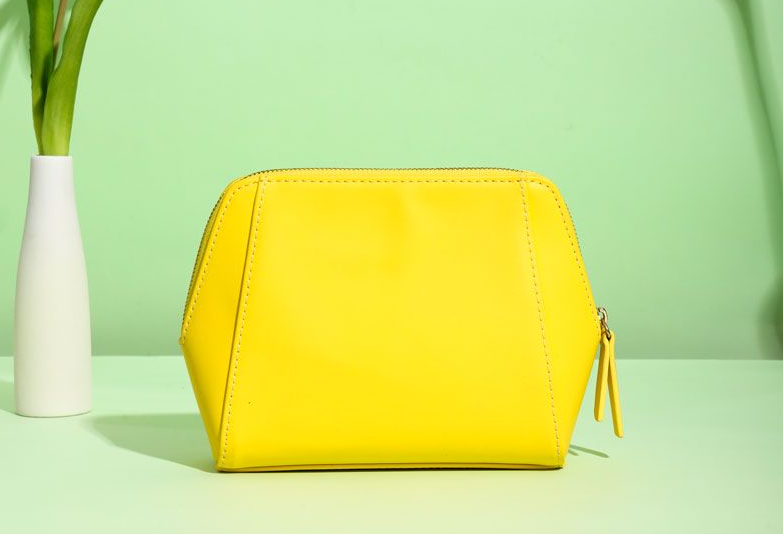
RPET fabric is commonly discussed for lightweight makeup pouches, GWP bags and promotional beauty programs. It can be paired with lining, printed panels or simple zipper construction.
For sourcing, compare fabric weight, print result, zipper option and MOQ. If the brand needs documentation for a retailer submission, ask what documents apply to the exact material route.
4. RPET Velvet
RPET velvet can suit gift pouches, fragrance mini sets, jewelry-beauty bundles and soft-touch cosmetic packaging. Its main value is texture, so swatch review matters.
Ask the supplier to confirm pile direction, logo method, shade tolerance and packing method. Velvet can show pressure marks, so carton packing should be discussed before bulk production.

5. Pineapple Fiber
Pineapple fiber is a texture-led option for brands testing a distinctive material story. It may work for limited launches, event gifts or retail pouch concepts where the material surface is part of the design.
Before using it for a full cosmetic bag program, ask for MOQ, swatches, stitch-test photos and logo samples. Material availability can affect timing, so confirm the sample route early.
6. Bamboo Fiber
Bamboo fiber can fit natural-texture pouch concepts, drawstring bags and simple makeup pouches. It often works best when the structure is not overly complex.
Check hand feel, fabric weight, shrinkage, print method and seam performance. For MOQ 500 discussions, ask whether the supplier can use available fabric or needs custom material preparation.
7. Banana Fiber
Banana fiber is another texture-led material option. It can be interesting for special retail concepts, but it needs careful sample review because shade and hand feel may vary by batch.
Ask for material photos, swatches, sewing test images and clear sample timing. If the bag needs a zipper, check whether the material handles seams and corners cleanly.
8. Recycled Nylon
Recycled nylon can work well for travel pouches, brush bags and light cosmetic organizers. It is often chosen when the buyer needs a soft bag with practical daily-use performance.
Review fabric density, lining, zipper strength, coating, logo method and packing shape. For brush bags, test the sample with actual brushes and tubes before approval.

9. TPU
TPU is useful for clear cosmetic bags, travel pouches, window panels and designs where the contents should remain visible. It needs careful discussion around thickness, transparency and seam method.
Ask for thickness options, zipper compatibility, logo method and sample photos of stitched edges. Clear pouches also need review for surface marks and packing protection.
10. PVB + TPU
PVB + TPU combinations can support mixed-material pouch designs, such as a structured body with a clear panel. This route can help a brand balance visibility with a more finished pouch appearance.
Ask how the panels are joined, how the edge is finished and whether the logo should sit on the opaque or clear section. Sample review is especially important for mixed materials.
MOQ 500: What It Really Means in a Custom Makeup Bag RFQ
MOQ 500 can be a workable starting point for many sewn pouch projects, but it is not the same for every material. The final route depends on fabric availability, color choice, zipper type, logo method and whether the bag needs lining or interior compartments.
For a faster answer, ask the supplier to quote three routes:
- Available material plus standard zipper.
- Available material plus custom logo method.
- Custom material direction plus approved logo method.
This helps your team see which design choices affect price, sample timing and bulk lead time.
Check MOQ 500 Sample Route Compare Custom Pouches
QC Checklist for Makeup Bag Samples
Use the sample stage to check details that affect the finished brand experience.
- Zipper opens smoothly and does not catch the lining.
- Seams are straight and corners match the approved shape.
- Logo is centered, clear and placed according to artwork.
- Fabric shade matches the approved swatch within agreed tolerance.
- Lining does not wrinkle or pull at the zipper.
- Interior pockets, dividers or brush loops fit the actual products.
- Thread trimming and edge finish are clean.
- Packing method protects the pouch shape during shipping.
Best Fit and Less Suitable Projects
Best fit for Ecoicolor
- Beauty brands comparing cosmetic bag materials before launch.
- Buyers planning MOQ 500 or larger custom makeup bag projects.
- Teams that need zipper, logo, lining, swatches, samples and QC handled in one RFQ.
- Retail or GWP programs with repeat order potential.
- Fragrance, skincare or hotel teams that need pouch packaging matched with boxes, sleeves or inserts.
Less suitable
- Single-piece personal shopping requests.
- Blank in-stock pouch orders with no sample or artwork review.
- Projects without quantity, size, material direction or launch timing.
- Orders where no branding, sample approval or QC checklist is needed.
素材見本のリクエスト View Drawstring Pouch Options

よくあるご質問
What is the best material for a custom makeup bag?
There is no single best material for every project. PU, RPET fabric, nylon, velvet and TPU all serve different pouch styles. The right option depends on product weight, logo method, zipper choice, target MOQ and retail channel.
Can I start a custom makeup bag project at MOQ 500?
MOQ 500 can be possible for selected materials and simple construction routes. Custom-dyed materials, special trims, complex interiors or unusual logo methods may require a different MOQ. Ask for a sample route and MOQ by component.
What should I check on a makeup bag sample?
Check zipper function, seam alignment, corner shape, lining, logo position, material shade, smell, thread trimming and packing shape. Test the pouch with the real products before approving bulk production.
Should I choose TPU for clear cosmetic bags?
TPU is a common option for clear cosmetic bags and window panels. Ask about thickness, transparency, seam method, logo compatibility and packing protection before confirming the sample.