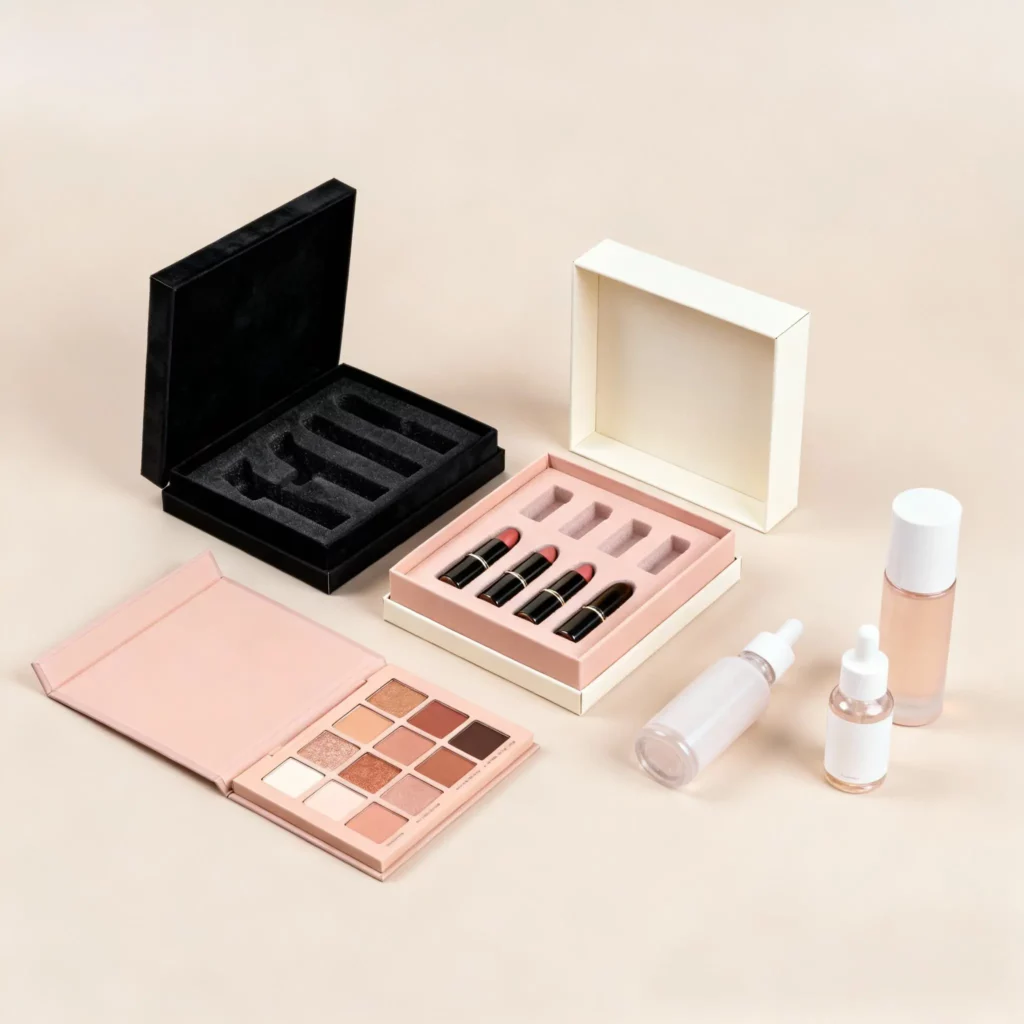
Bottle-fit insert checklist
The insert is not just decoration. It decides whether the bottle, cap and pump sit correctly inside the package.
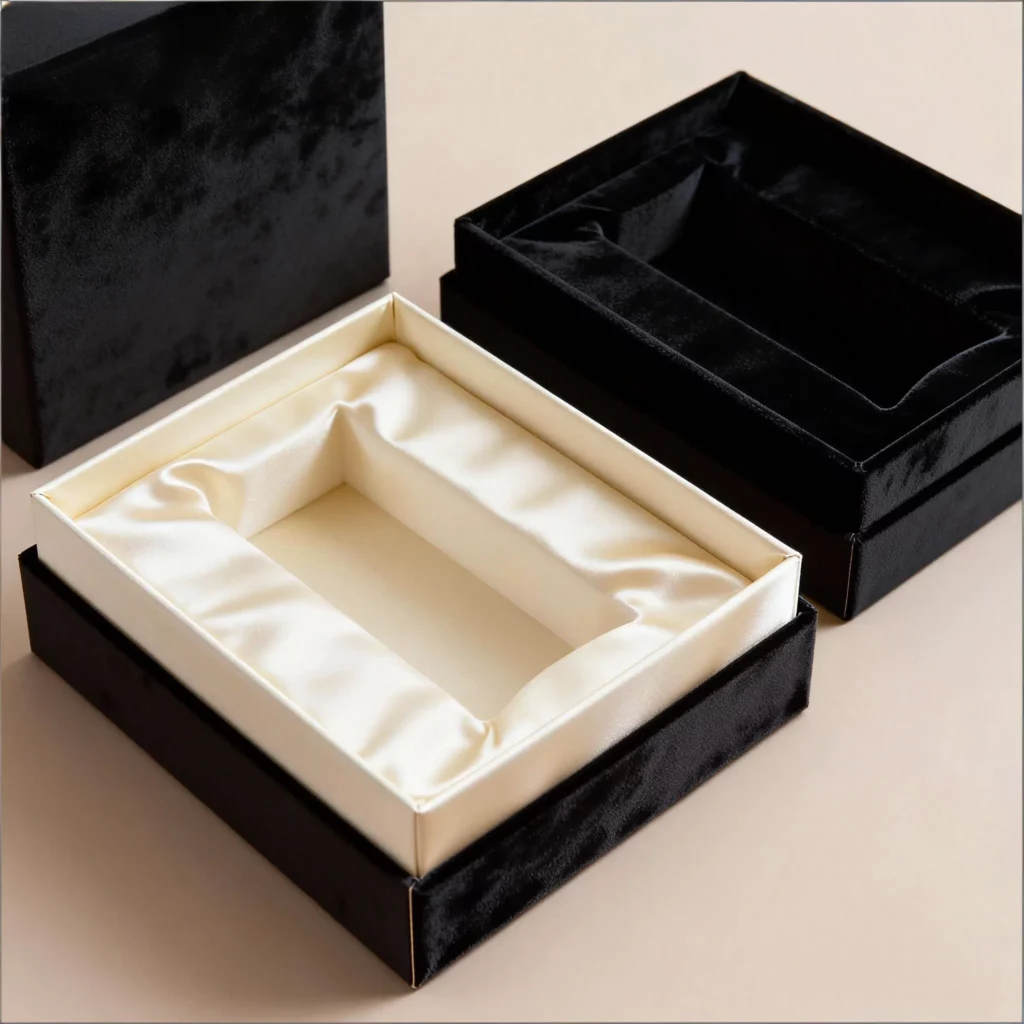
This checklist is for fragrance, perfume, essential oil and beauty brand buyers preparing custom inserts for glass bottles. It helps buyers send Ecoicolor the fit data needed for paperboard, molded pulp, EVA, foam, satin-lined or partition inserts before quote and sample work starts.
Quick Summary
A perfume bottle insert should be designed from the bottle outward. Ecoicolor needs bottle width, depth, total height, filled weight, cap height, pump or sprayer detail, bottle shoulder shape, bottom shape, quantity per set, outer box route, target price, sample deadline and ship-to country. Inserts, rigid boxes, paper tubes and folding cartons should be planned from MOQ 1000. If the project also needs a sewn fabric pouch, that pouch route can be reviewed from MOQ 500. Sample timing is confirmed, but complex cavities, custom materials, special finishing or repeated bottle-fit changes can extend timing.
How this article differs from the fragrance launch kit checklist
The fragrance launch kit checklist explains how a buyer chooses between rigid boxes, paper tubes, inserts and pouch add-ons. This article goes deeper on one part: the insert that holds the bottle.
That separation matters for internal competition. A buyer searching for a launch kit needs the full package route. A buyer searching for perfume bottle insert design needs bottle-fit details, cavity planning, material choice and sample review before the outer package is finalized.
The five fit risks a perfume bottle insert must control
For Ecoicolor’s RFQ review, insert design is a fit, handling and packaged-product risk question, not only a display choice. ISTA publishes packaged-product test procedures for distribution handling context.1 GS1 US barcode type guidance can matter when insert or outer-box layout affects barcode and retail label planning.2 For Ecoicolor’s RFQ review, the insert should control five practical risks.
Side movement
The bottle shifts left or right because the cavity is too loose or the shoulder is not supported.
Cap pressure
The cap or pump touches the lid because height clearance was not measured correctly.
Bottom instability
The bottle leans because the base shape and filled weight were not included in the brief.
Pump activation
The sprayer or pump can be pressed during packing or handling if the insert leaves the top exposed.
Wrong material route
The insert looks good in a render but does not match weight, budget, document needs or sample timing.
Set misalignment
Multi-bottle sets look uneven because spacing, label direction and product order were not fixed.
Bottle data Ecoicolor needs before quoting an insert
A quotation based only on a product photo is weak. For heavy glass bottles, Ecoicolor should treat fit testing as part of sample approval before bulk production. ISO 4180 gives general rules for performance test schedules for complete, filled transport packages.3 Ecoicolor should receive the bottle details before recommending paperboard, molded pulp, EVA, PE foam, satin-lined foam or partition inserts.
| Data point | What to send | Why it matters |
|---|---|---|
| Bottle size | Width, depth, body height and full height with cap. | Controls cavity size, box internal height and lid clearance. |
| Filled weight | Filled weight if available; empty weight if the project is still early. | Controls insert strength, board choice and sample testing direction. |
| Cap and pump | Cap diameter, cap height, pump height and sprayer direction. | Prevents cap pressure and accidental pump contact. |
| Shoulder and base | Round, square, oval, sloped shoulder, flat base or special base shape. | Decides whether the insert should support the body, shoulder, base or all three. |
| Set layout | Single bottle, two bottles, vial set, accessory set or booklet pocket. | Controls spacing, order, unboxing direction and cavity count. |
| Launch channel | DTC, retail shelf, boutique, spa, discovery set, travel retail or GWP. | Controls presentation, cost, material choice and packing method. |
Insert material choices: paperboard, molded pulp, EVA, foam and satin-lined routes
Ecoicolor should not choose insert material only from a photo. The buyer’s bottle weight, brand position, target price and document needs should come first. FSC chain-of-custody information is relevant when forest-based material documentation is required.4 GRS is relevant only when recycled material scope applies to the selected material route.5
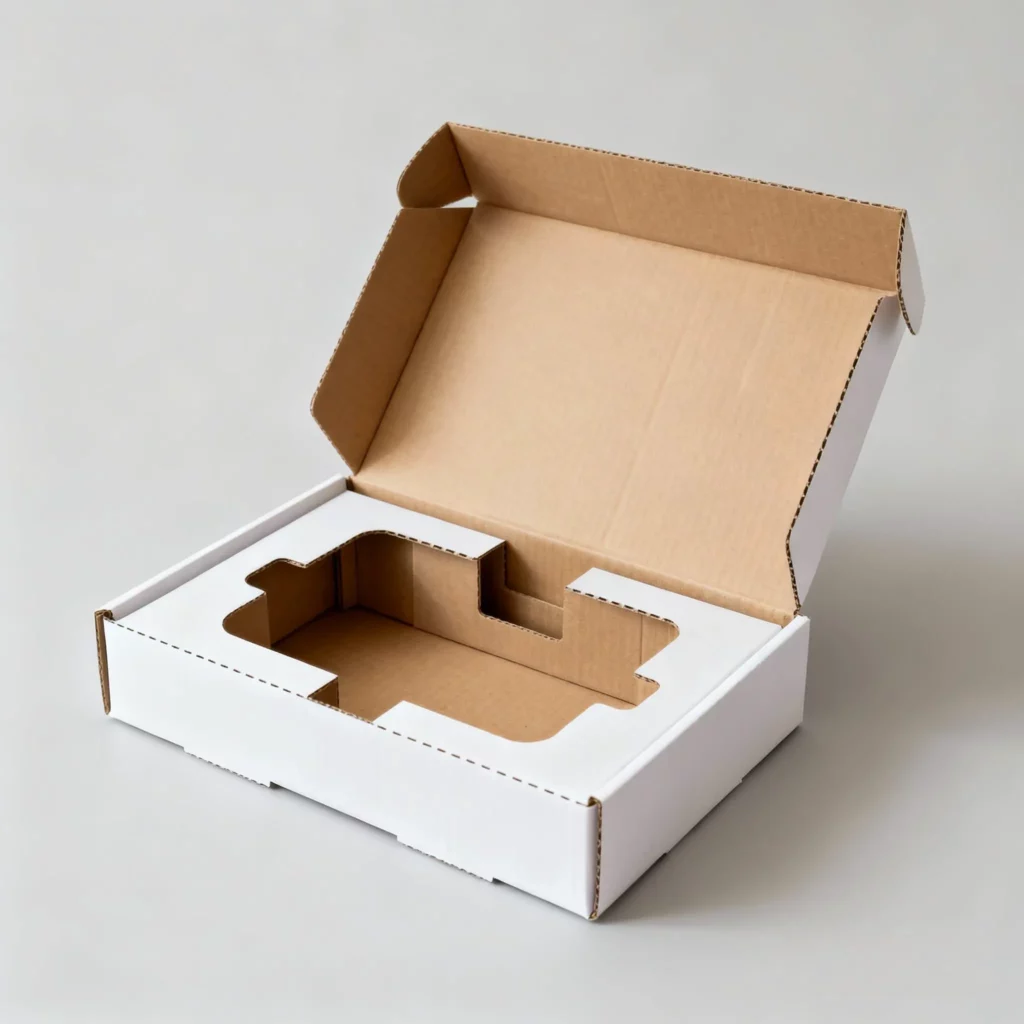
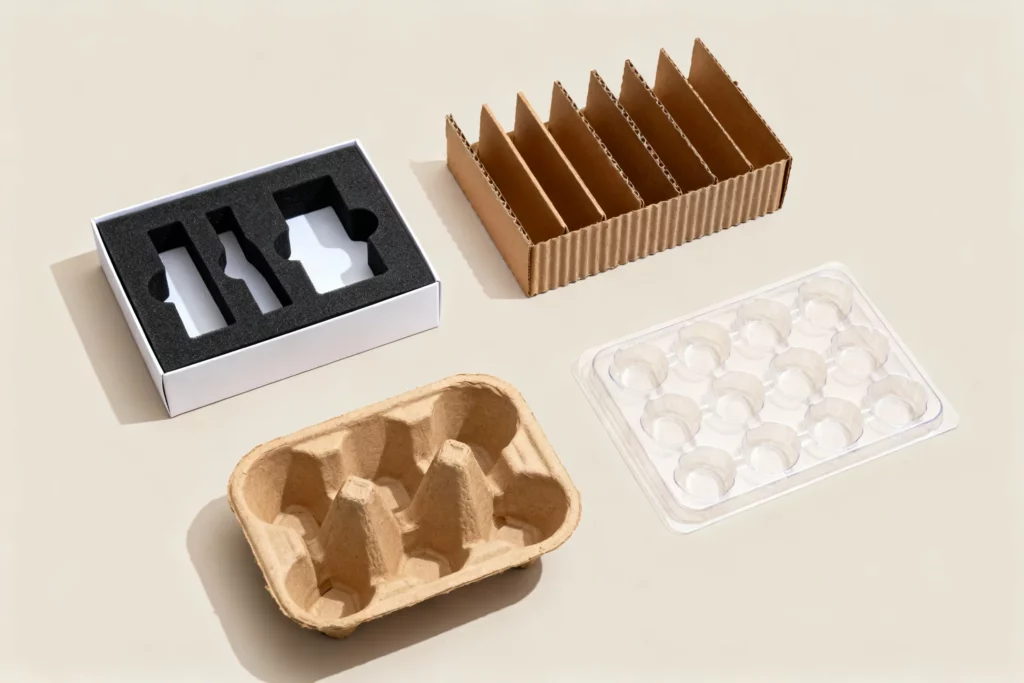
Paperboard insert
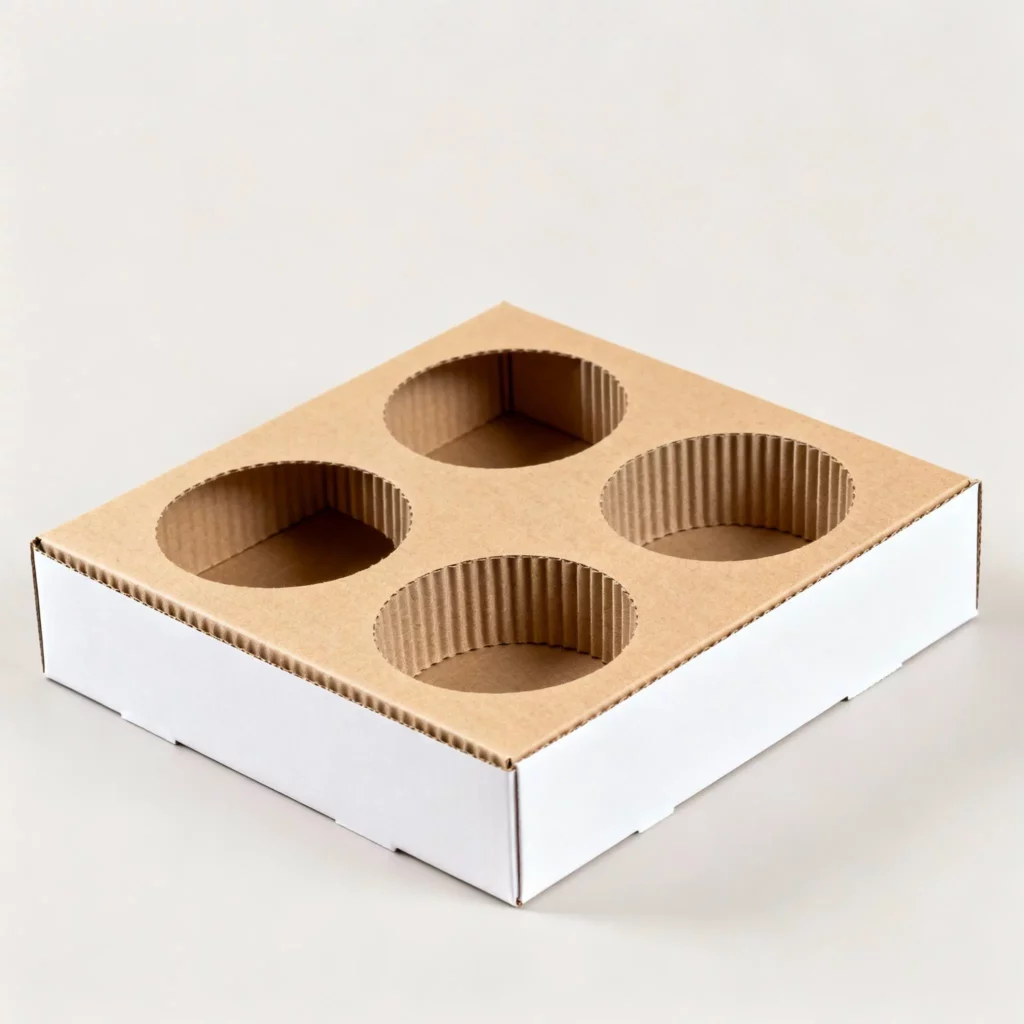
Useful when the buyer wants a paper-based route and the bottle weight can be supported with folded or die-cut structure.
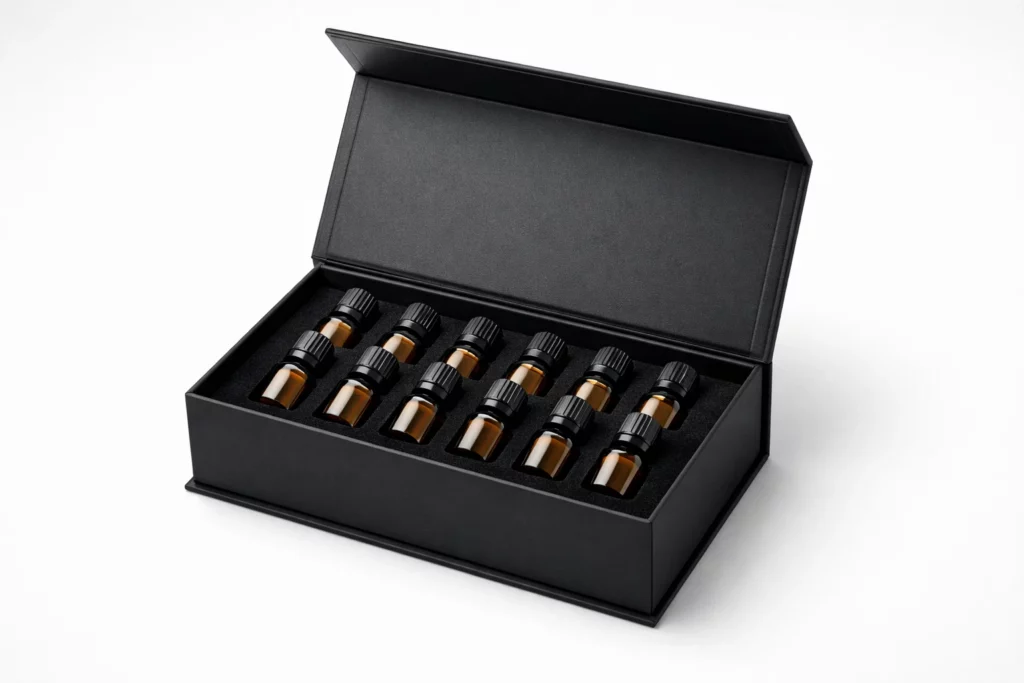
EVA or foam insert
Useful for tighter cavities, heavier bottles and premium presentation, but material scope and budget should be checked early.
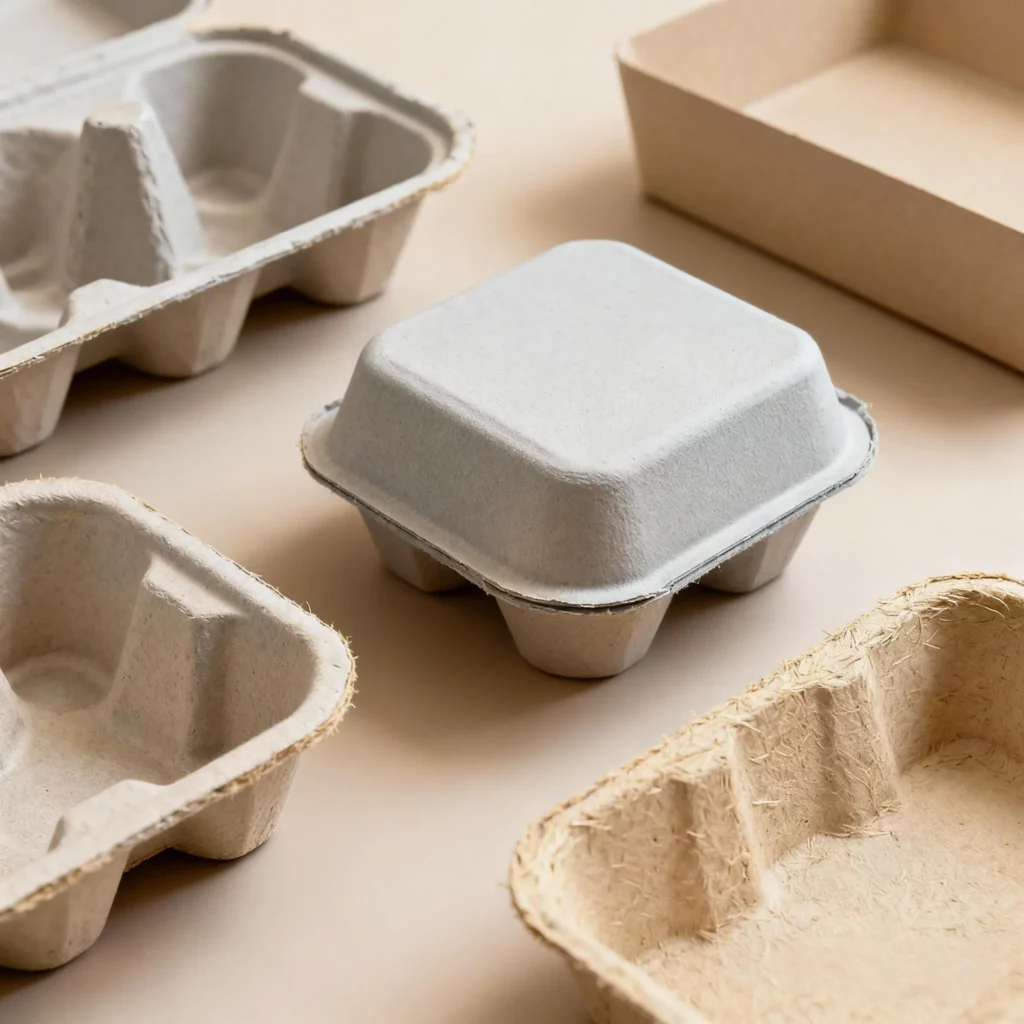
Molded pulp route
Useful when the buyer wants a shaped pulp route, but tooling, texture, tolerance and surface expectation need sample review.
The insert must match the outer package route
The same bottle can need a different insert depending on whether it goes into a magnetic closure box, drawer box, folding carton or paper tube. The outer structure decides how the bottle is loaded, how the customer opens the package, how much top clearance is available, and whether the insert must be glued, removable or layered.
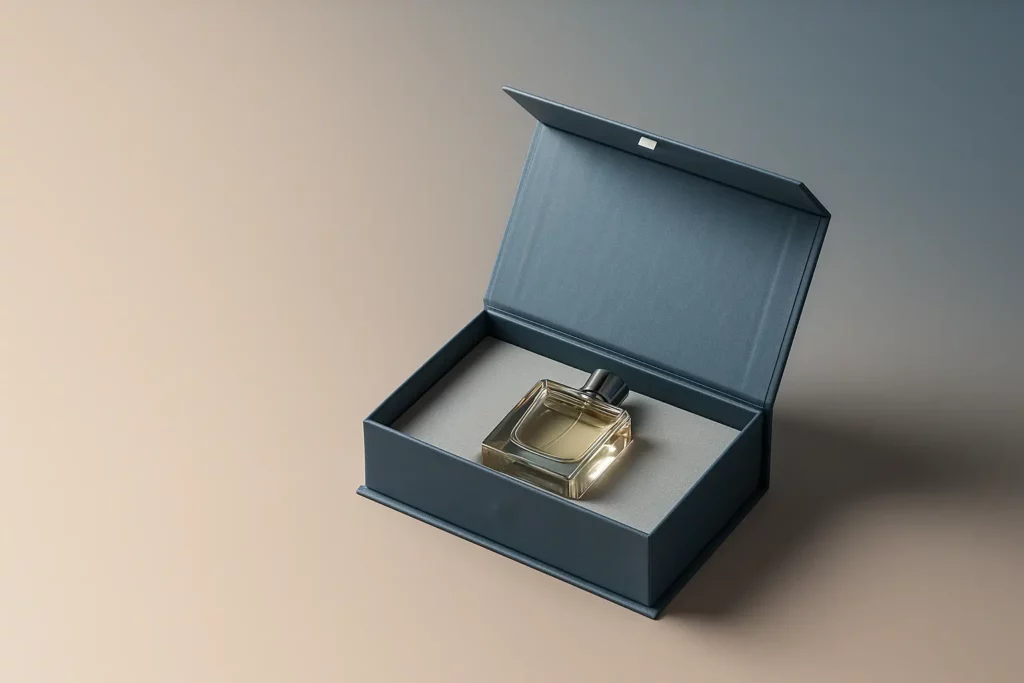
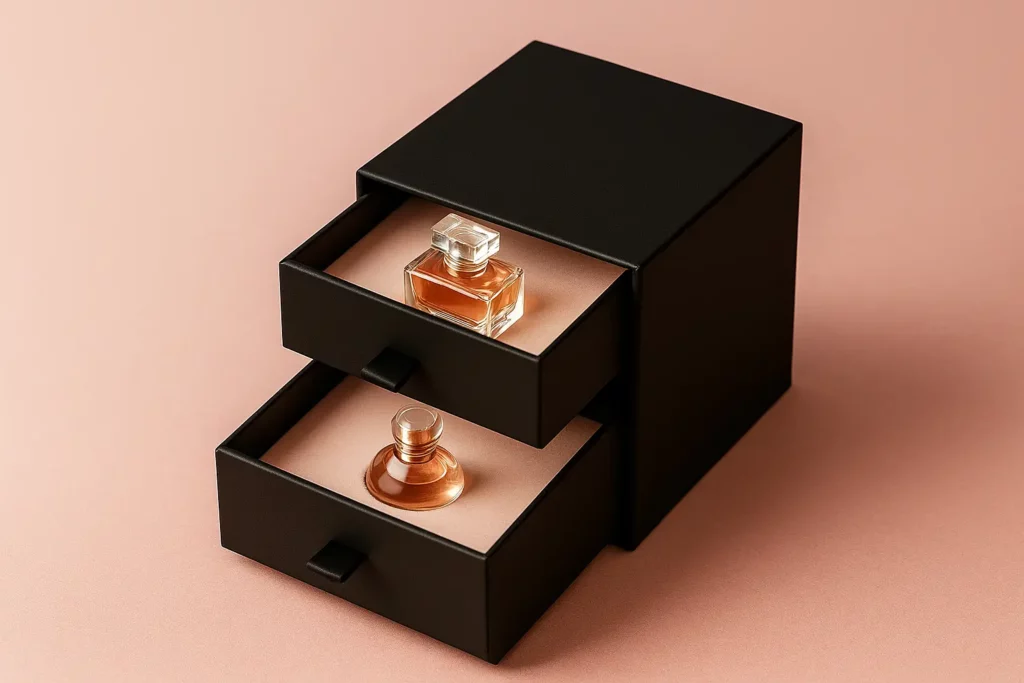
Sample testing: check fit before approving bulk insert production
For insert projects, sample review should not stop at color and surface finish. The buyer should test whether the bottle drops into the cavity smoothly, sits straight, does not rattle, does not press the pump, and can be removed without damaging the insert or the package.
Sample timing is confirmed after usable artwork, dimensions and material direction are ready. Complex cavities, custom foam color, molded pulp tooling, satin lining, repeated bottle changes or finish changes can extend timing. For bulk inspection planning, ISO 2859-1 is commonly referenced for sampling procedures for inspection by attributes.6
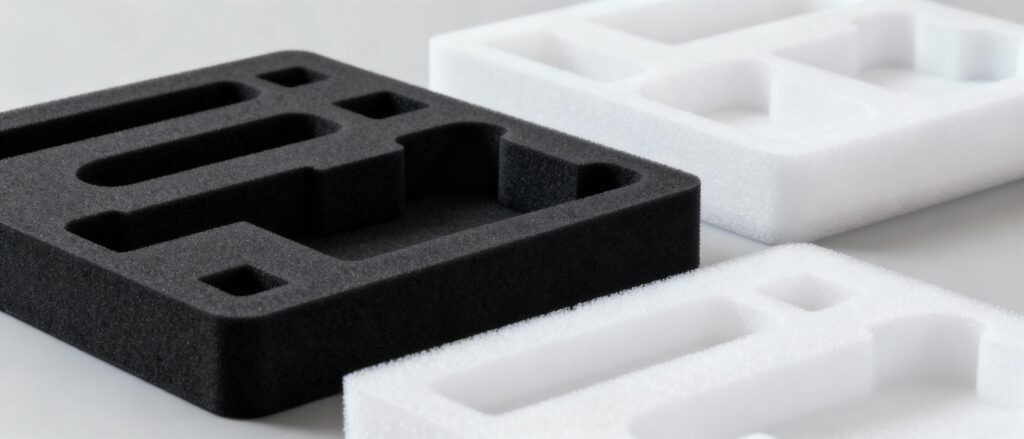
Cavity review
Check cavity size, depth, edge finish and whether the bottle can be inserted and removed correctly.
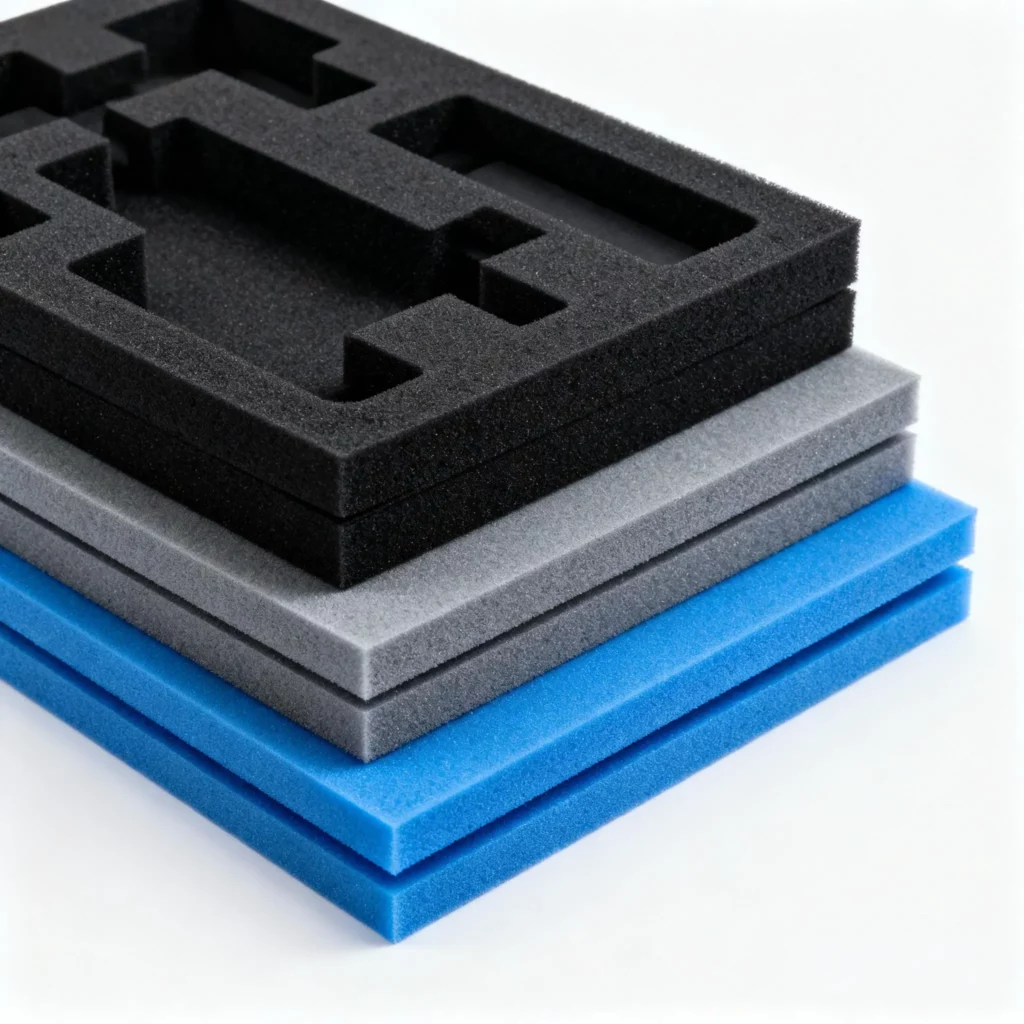
Layer review
Layered foam routes should be checked for height buildup, alignment and assembly consistency.
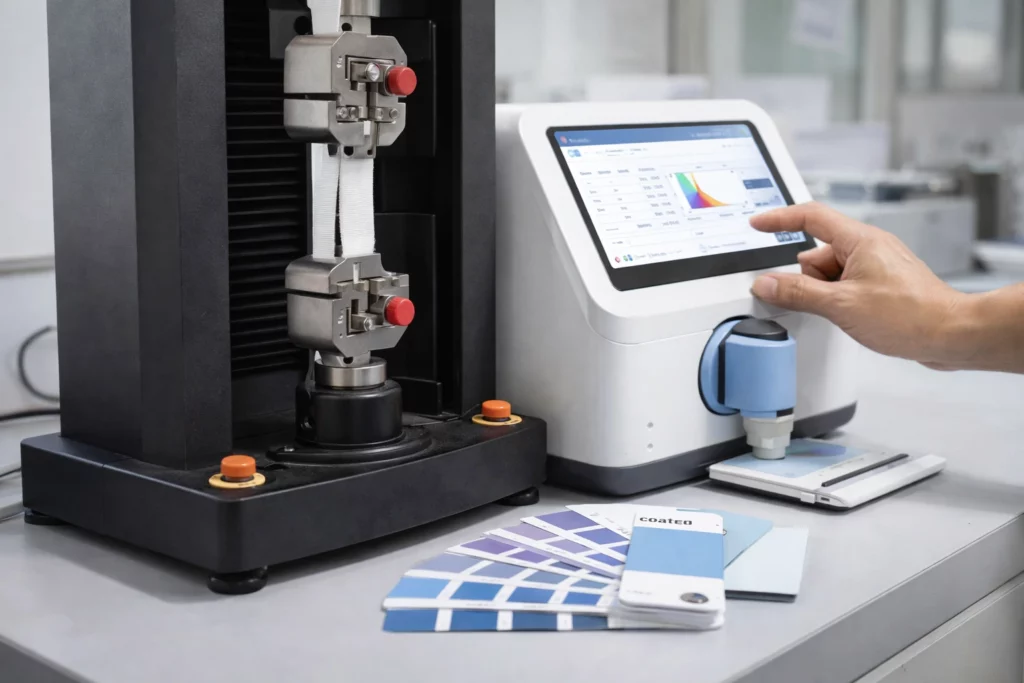
Sample-first review
Fit, surface, color, assembly and packing should be reviewed before bulk approval.
Confirm bottle-fit data before comparing insert materials
Send bottle width, depth, total height, filled weight, cap or pump projection and the real outer-box route before asking for paperboard, molded pulp, EVA, foam or satin-lined insert pricing.
Artwork alone cannot confirm cavity depth, top clearance or removal force. Compare materials only after the fit envelope, MOQ 1,000, target price, sample deadline and launch date are defined.
Perfume bottle insert RFQ checklist
Product and fit data
- Bottle width, depth, body height and full height with cap.
- Filled or empty weight, plus set weight if more than one item is included.
- Cap diameter, cap height, pump or sprayer height and sprayer direction.
- Bottle shoulder shape, bottom shape and label direction.
- Single bottle, multi-bottle, vial set, accessory set or booklet pocket layout.
Commercial and package data
- Outer route: rigid box, drawer box, magnetic box, folding carton or paper tube.
- Insert material direction: paperboard, molded pulp, EVA, foam, satin-lined or partition.
- Target price, MOQ 1000 plan, sample deadline and launch date.
- Ship-to country and any retailer document support requirement.
- Artwork status: final files, early design direction or dieline needed.
Send Bottle Dimensions and Artwork Compare Insert Materials Ask About MOQ and Samples
Best fit and less suitable insert inquiries
Best fit
- Fragrance, niche perfume, essential oil, beauty or wellness brand preparing a real launch, discovery set, retail gift set or regional store rollout.
- Buyer can plan MOQ 1000 for custom inserts, rigid boxes, folding cartons, paper tubes or other paper packaging connected to the insert.
- Buyer can share bottle dimensions, filled or empty weight, cap height, pump detail, label direction, target price and preferred material route.
- Buyer has a clear launch window, sample deadline, ship-to country and decision process for approving fit, material and artwork.
- Buyer is willing to review samples first, adjust structure if needed and confirm FSC, GRS or other document scope only where it truly applies.
Less suitable
- Single-piece personal gift, stock insert request or urgent ready-made packaging need.
- Insert or paper packaging quantity far below MOQ 1000, with no realistic bulk launch plan.
- No brand, no launch date, no ship-to country, no bottle dimensions, no product weight or no cap and pump information.
- Lowest-price-only request with no target price range, no sample plan, no material direction and no willingness to test bottle fit.
- Buyer wants certification claims, recycled-material wording or retailer document support without checking whether the selected material route is inside scope.
よくあるご質問
What is the most important detail for a perfume bottle insert quote?
Bottle fit data is the most important: width, depth, total height, filled weight, cap height, pump or sprayer detail, shoulder shape and bottom shape.
What is Ecoicolor’s MOQ for perfume bottle inserts?
Plan MOQ 1000 for custom inserts and paper packaging. If the project also includes a sewn pouch, that pouch route can be reviewed from MOQ 500.
Which insert material is best for glass perfume bottles?
There is no single best material. The route depends on bottle weight, cavity tolerance, brand position, target price, outer package, document needs and sample testing.
Can Ecoicolor quote an insert from a product render only?
A render can help with direction, but Ecoicolor still needs dimensions, weight, cap height and sample expectations before a useful insert quote can be prepared.
How long does perfume bottle insert sampling take?
Sample timing is confirmed after useful artwork, dimensions and material direction are ready. Complex cavities, custom materials or repeated fit changes can take longer.
Trademark and Scope Note
All third-party names, including FSC, GRS, ISO and related certification, inspection or packaging systems, are trademarks or service marks of their respective owners and are used here for descriptive reference only. Ecoicolor does not claim certification, inspection or document coverage beyond the scope of its current supplier records, audited documents and order-specific material route. Buyers should confirm document validity, certificate scope, artwork ownership, material coverage, claim wording and destination requirements before finalizing quotation or bulk production.
Sources
- ISTA packaged-product test procedures for distribution handling context.
- GS1 US barcode type guidance for product identification and retail barcode planning.
- ISO 4180 packaging standard page for performance test schedule context.
- FSC chain-of-custody information.
- Textile Exchange Global Recycled Standard information.
- ISO 2859-1 sampling procedures for inspection by attributes.