Fragrance / Paper Tube
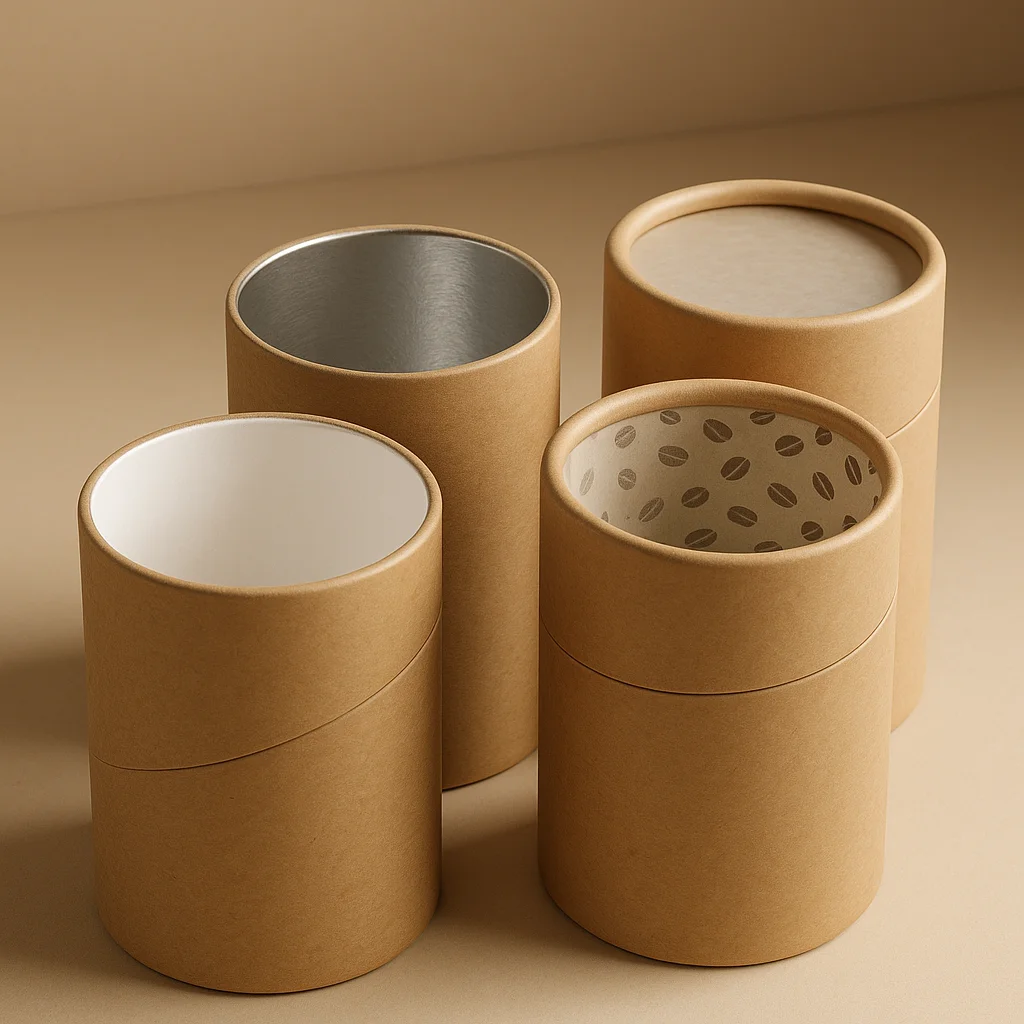
Use this guide when a fragrance team is planning paper tube packaging for perfume sample vials. The useful brief starts with vial dimensions, then moves to tube structure, insert route, label area and sample approval.

Buyer Summary
A perfume sample vial paper tube RFQ should include vial height, diameter, cap height, vial count, tube structure, insert direction, wrap route, label area, quantity, target price and sample deadline. Paper tube projects should normally be planned from MOQ 1000. The sample should prove vial fit, lid clearance, label visibility and pack-out before bulk approval.
Send a Paper Tube RFQ Check Vial and Insert Fit Ask About Fragrance Packaging Samples
Paper tube projects fail when vial diameter is guessed
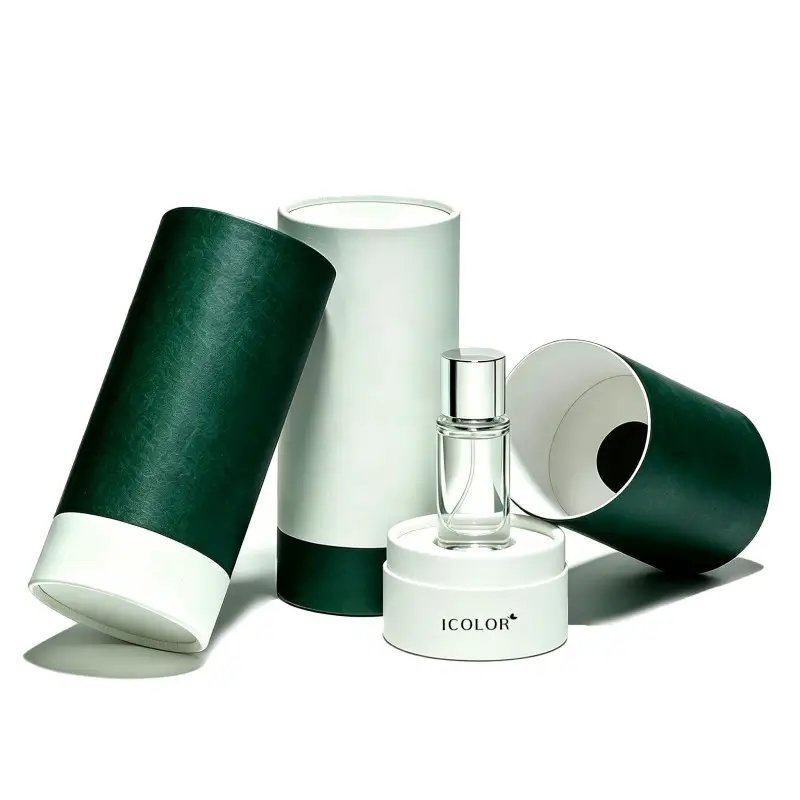
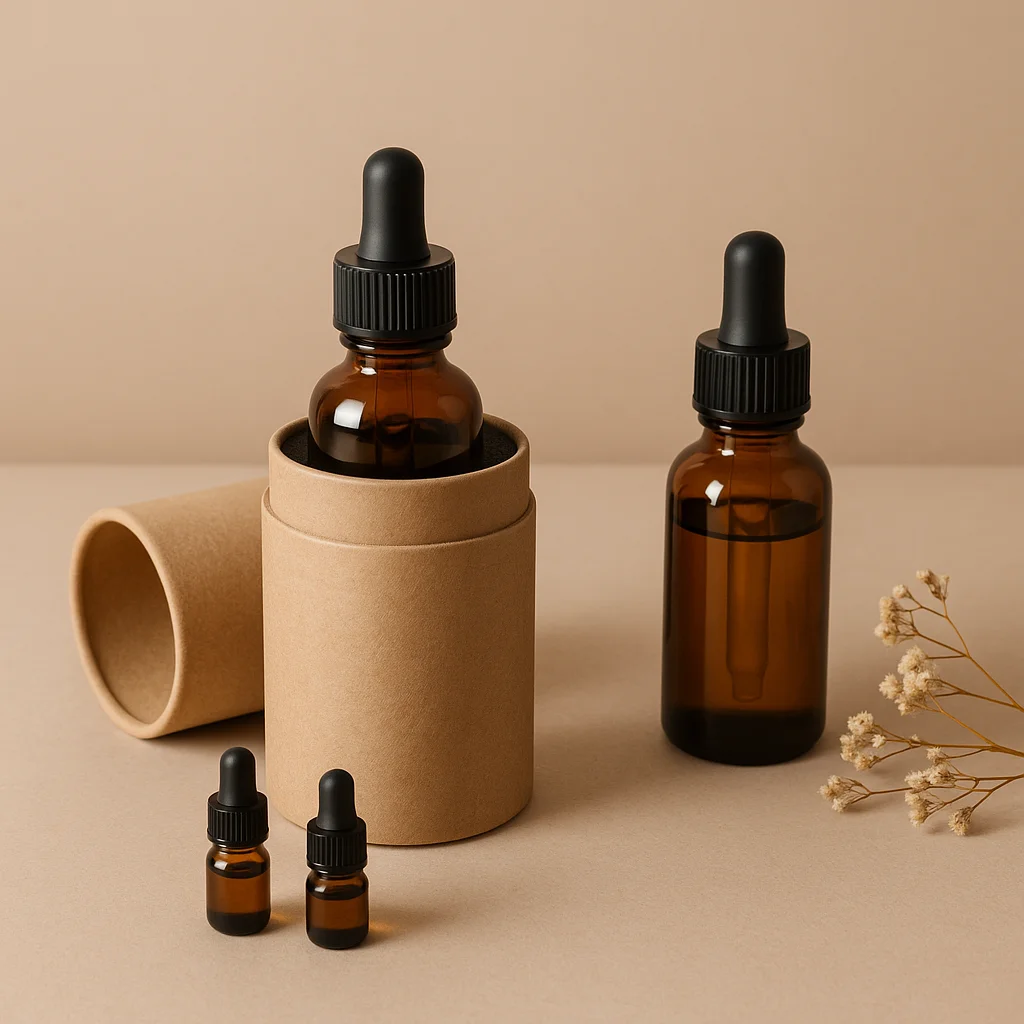
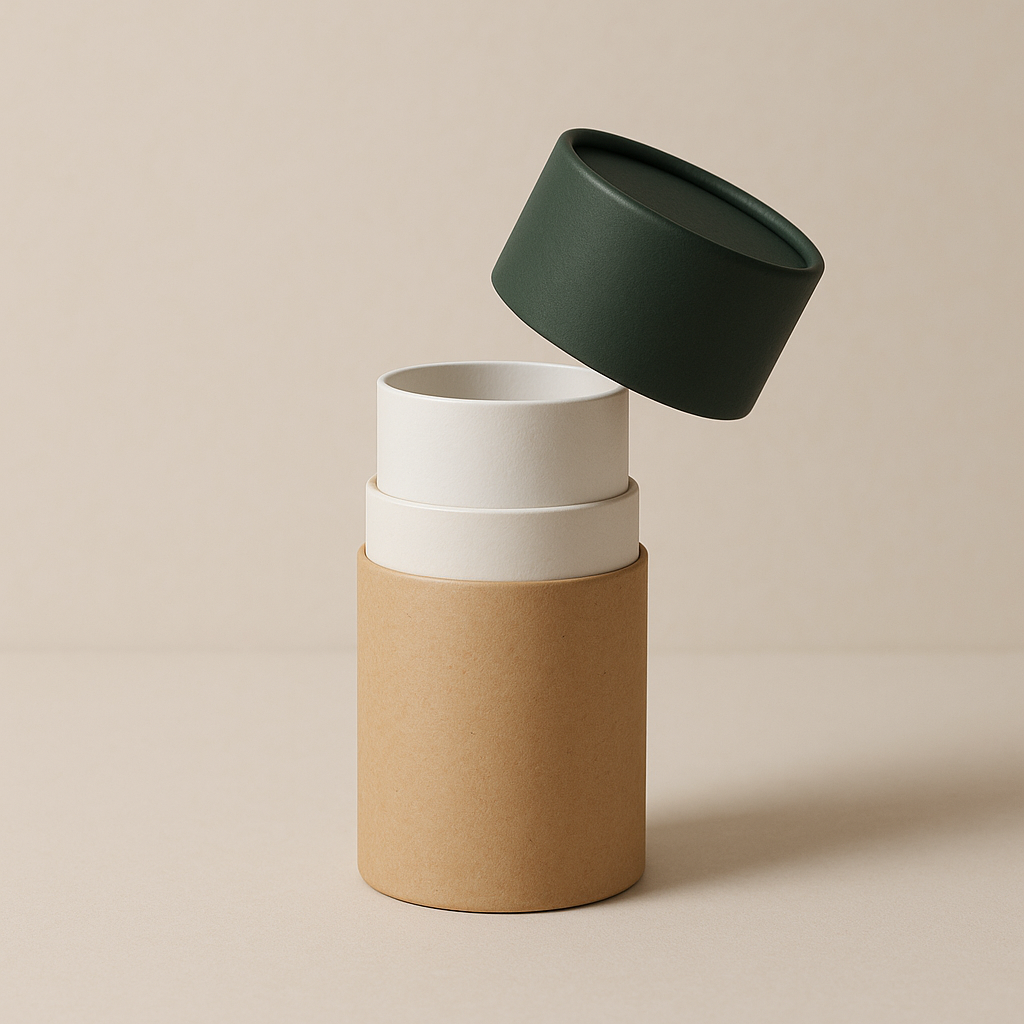
A perfume sample vial paper tube looks small, but small tolerances matter. The vial diameter, cap height, spray head, label area and filled weight decide tube diameter, insert cavity, lid depth and packing method. If the buyer only sends a concept image, Ecoicolor can discuss routes, but the first quote may change after the real vial is measured.
For fragrance buyers, the practical goal is not to make a decorative cylinder. It is to create a tube that holds the vial, protects the label, opens smoothly and fits the sampling, retail or PR use case.
Choose the tube structure after the vial and use case are clear
Single vial sample
Works when one vial needs a compact, giftable outer tube. The insert can be simple, but cap clearance still needs checking.
Two or more vials
Needs stronger insert planning. The buyer should confirm vial count, display direction and whether labels must face forward.
Retail or PR kit
May need barcode area, sleeve, label route, leaflet, ribbon or outer carton planning before artwork approval.
IFRA Standards are relevant fragrance-industry context, but the packaging RFQ should not make formula claims. Ecoicolor’s scope is the physical packaging route, document support, sample approval and bulk pack-out. IFRA fragrance context1
The paper tube RFQ checklist
- Vial dimensions: height, diameter, cap height, filled weight and label area.
- Tube structure: one-piece, two-piece telescopic, three-piece tube or sleeve route.
- Insert direction: upright, flat, tilted, removable tray or fixed cavity.
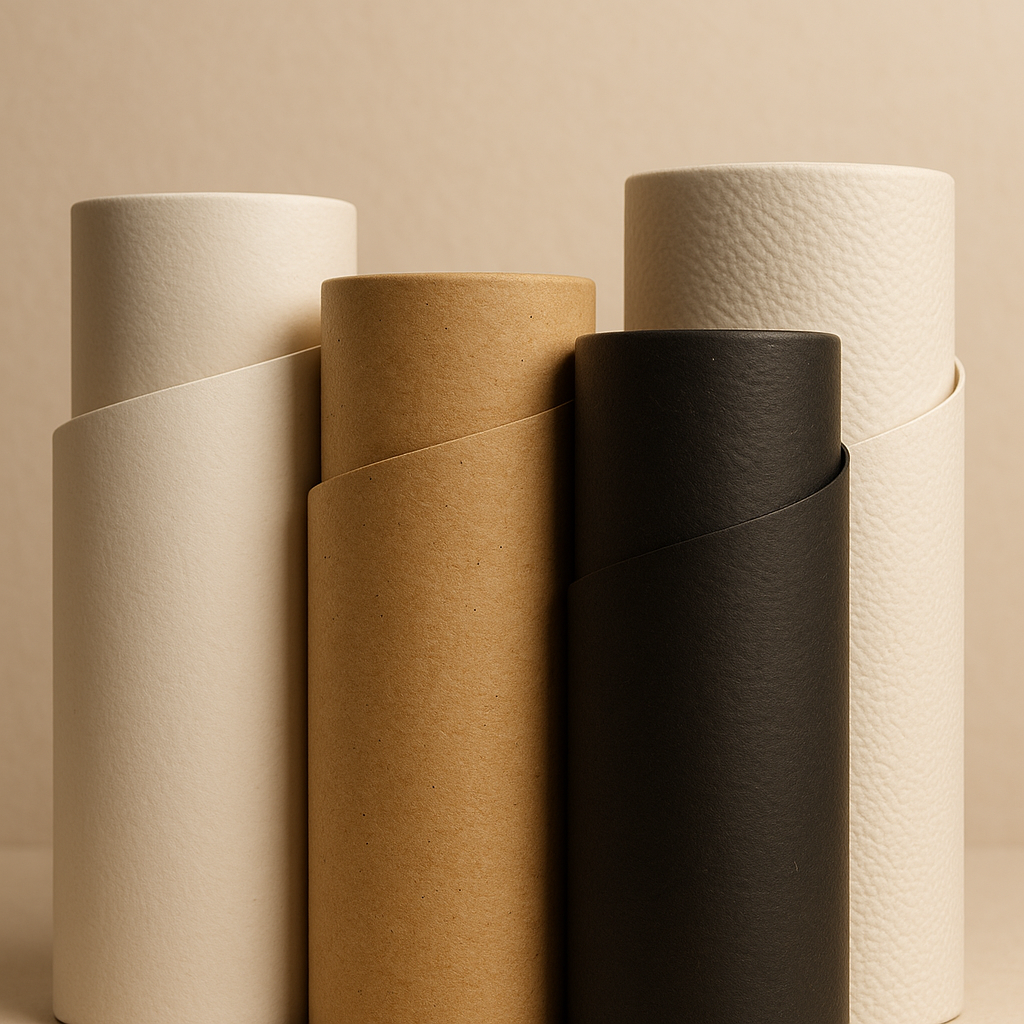
- Wrap and lining: kraft, art paper, textured paper, printed wrap or lining route. FSC chain-of-custody context can support document conversations for paper routes. FSC document context2
- Label and barcode: logo, copy, color reference and barcode zone where retail-ready packaging is needed. GS1 barcode resources3
- MOQ and timing: quantity, target price, ship-to country, sample deadline and launch date.
Label route and finishing should not be decided last
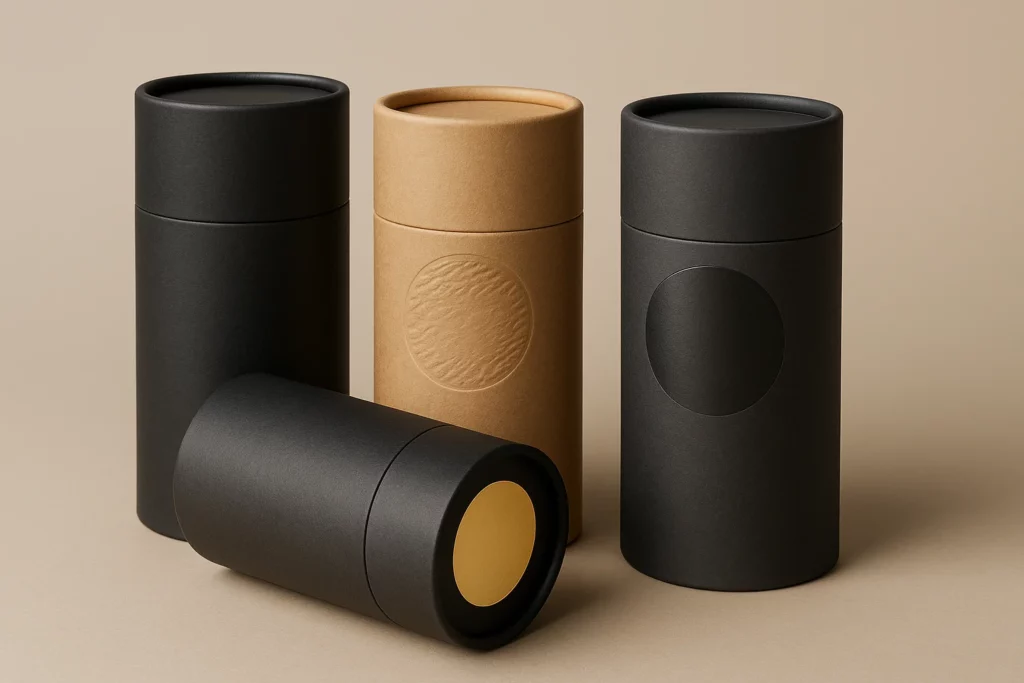
Why the label route changes the sample
A paper tube can use direct print, wrapped paper, foil, embossing, debossing, UV, label sticker or sleeve route. These choices affect color proofing and sample cost. If the buyer waits until after the structure sample to decide finishing, the project may need another proof or a second sample round.
For small fragrance programs, the most useful brief states whether the tube needs retail shelf information, barcode, batch sticker area, outer carton label or PR-kit presentation.
A sample-first scenario for sample vial tubes
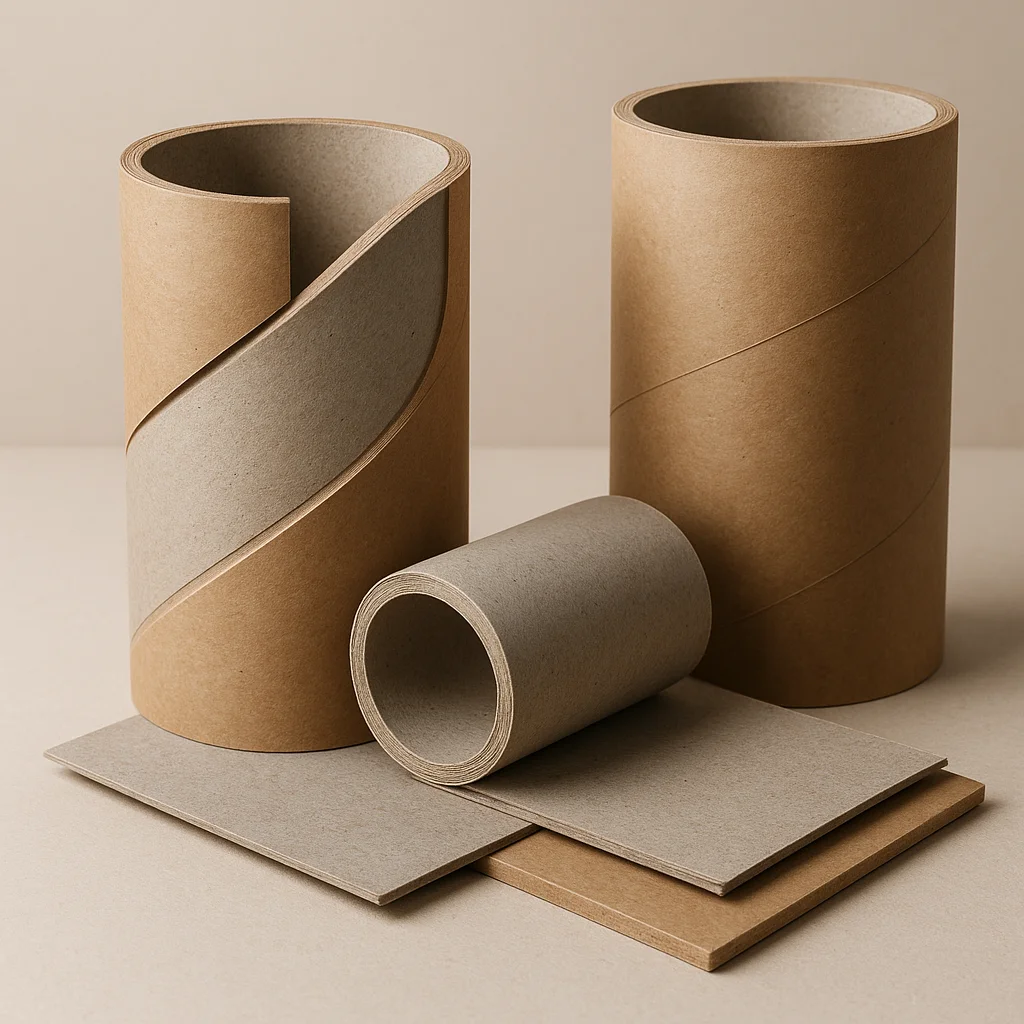
Consider a fragrance team preparing a discovery sampling program. They first ask for a kraft paper tube because the concept feels simple. After the vial dimensions arrive, Ecoicolor may find that the cap height needs extra clearance and the label must stay visible when the vial is removed. The quote then changes from a basic tube to a tube plus insert route.
This is not a problem if it happens before sampling. It becomes costly only when the buyer has already approved artwork and target price without measuring the vial. A sample-first workflow lets the buyer compare a tighter insert, a simpler paper platform and a lower-cost label route before the bulk order is locked.
Inspection language for bulk approval
For bulk checking, teams may use inspection vocabulary such as ISO 2859-1 sampling procedures. The buyer still needs to define practical acceptance points: tube fit, lid opening, print placement, visible marks, label position and pack-out count. ISO sampling procedures4
Best fit and less suitable inquiries
Best fit
This guide fits fragrance, perfume, essential oil and wellness buyers planning vial samples, discovery sets, PR samplers or retail-ready paper tube programs. The strongest inquiries include vial dimensions, quantity, target price, artwork direction and sample timing.
Less suitable
It is not suitable for formula compliance advice, single-piece gift requests, no-brand personal projects, or buyers asking for a final quote without vial dimensions, MOQ readiness or sample approval.
よくあるご質問
What is the first detail needed for a perfume vial paper tube quote?
Vial dimensions are first: height, diameter, cap height, filled weight and label area. These control tube diameter and insert fit.
Can a paper tube hold multiple perfume sample vials?
Yes, but multi-vial tubes need insert planning, vial count, display direction and pack-out testing before bulk approval.
Which MOQ should buyers expect?
Paper tubes and paper inserts should normally be planned from MOQ 1000.
Should label and barcode planning be included in the first brief?
Yes. Retail-ready packaging needs label and barcode area early so artwork, wrap and proofing can be planned correctly.
Can Ecoicolor provide fragrance formula compliance advice?
No. Ecoicolor can review physical packaging, document support, sample approval and pack-out. Formula compliance should be handled by the brand’s relevant specialist.