Start with jewelry size and drawer movement
A drawer jewelry box is not only a shell. The buyer must decide how the ring, earring card, pendant card, bracelet or small accessory sits inside the tray, how the drawer opens, and whether the product stays centered after repeated handling. Product size and removal feel should lead the structure decision.
For paper drawer boxes, document language should stay project-specific. If the buyer needs paper document support, raise FSC chain-of-custody documentation1 during the first RFQ rather than after the sample. If the jewelry program has responsible sourcing language, the broader jewelry supply-chain context can also be checked through Responsible Jewellery Council standards2.
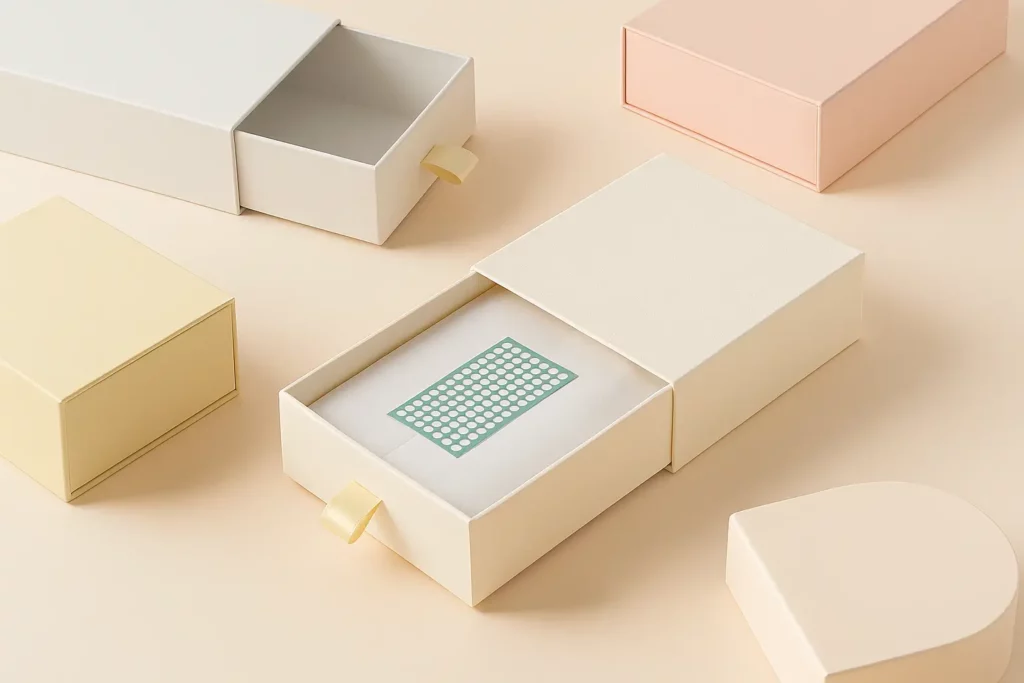
The drawer movement is part of the brand experience. A sleeve that is too tight feels stuck; too loose can slide open during packing. Ribbon pulls, thumb notches and push-release details all create different sample risks, so they should be chosen before final artwork is placed.
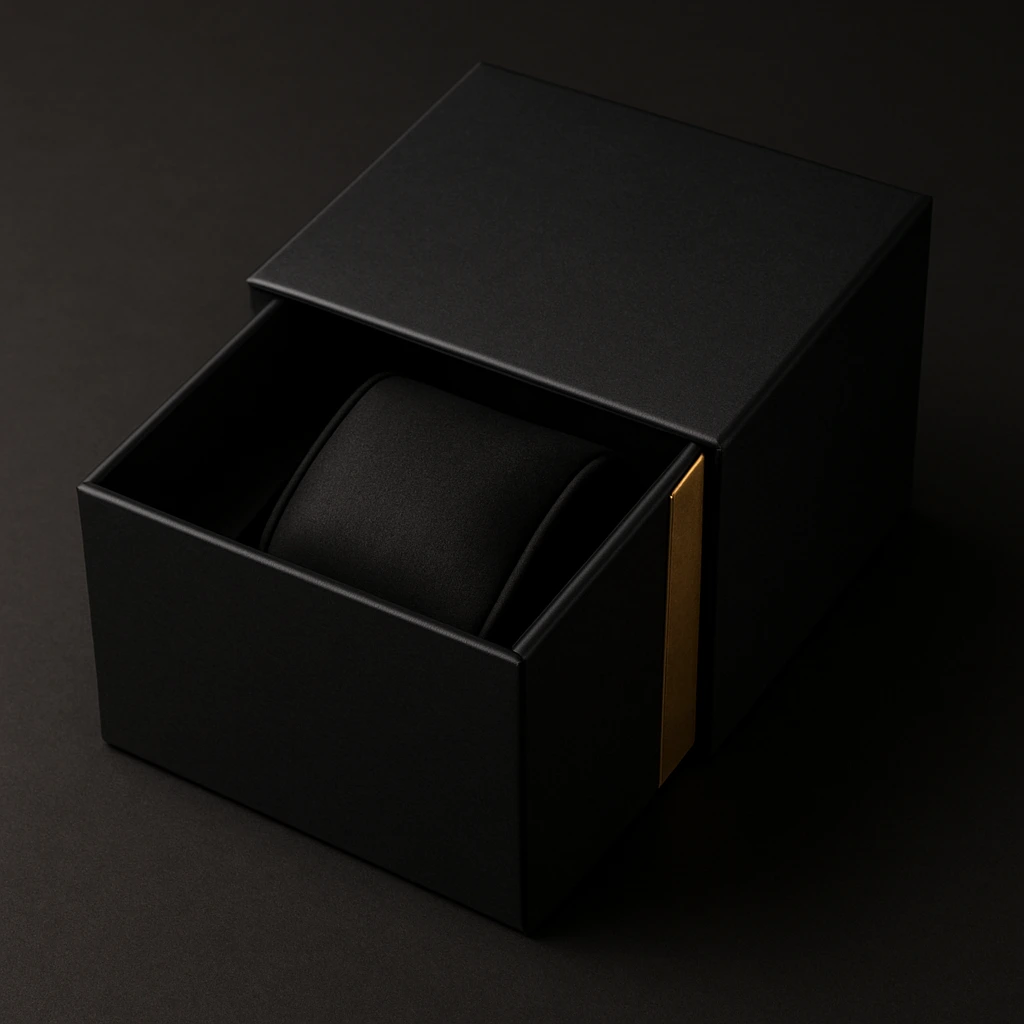
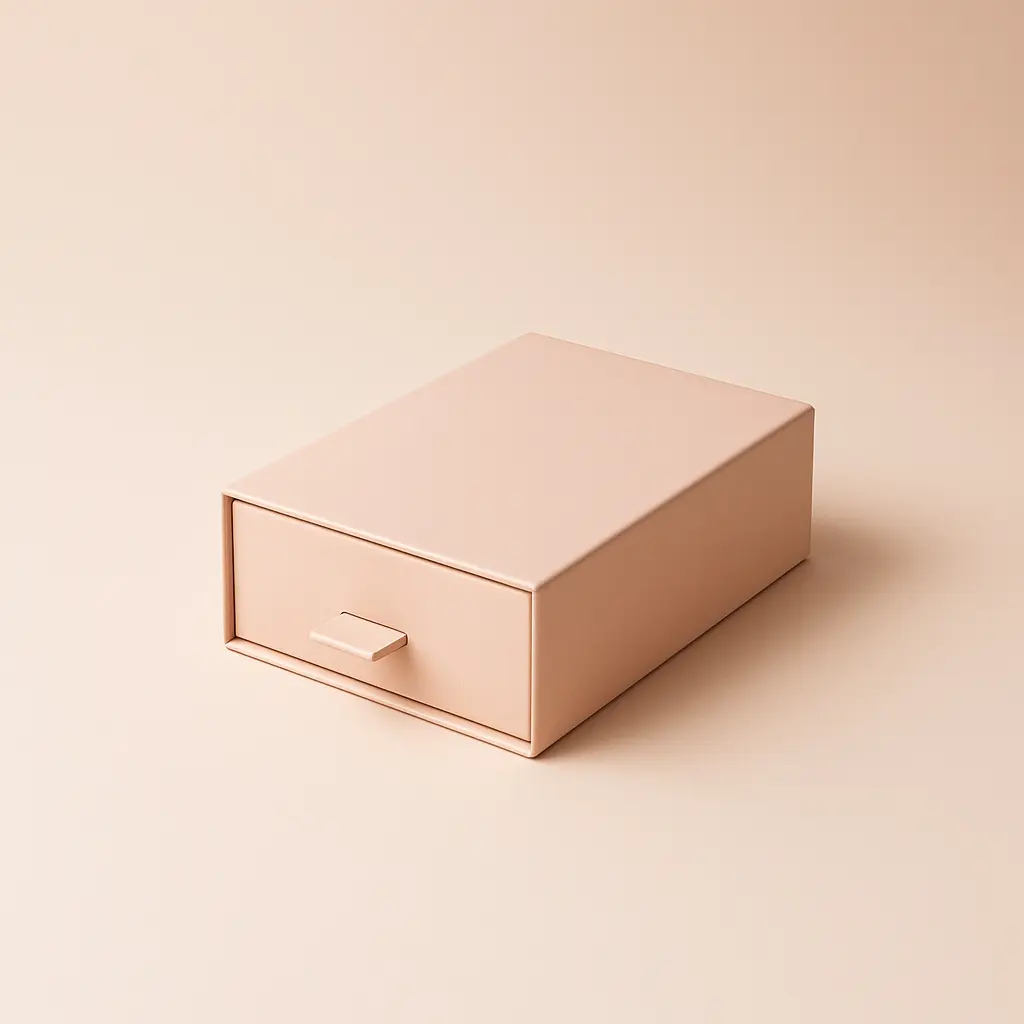
Drawer structure choices
Ribbon pull
Useful when the buyer wants a softer premium opening. Check ribbon length, pull direction, glue point and whether the ribbon covers artwork.
Thumb notch
Good for simple retail or collection boxes. Check notch edge, finger access, sleeve strength and whether the product remains protected.
Push release
Useful for a clean exterior. Check opening smoothness, inner tray movement and whether the mechanism is too tight for repeated use.
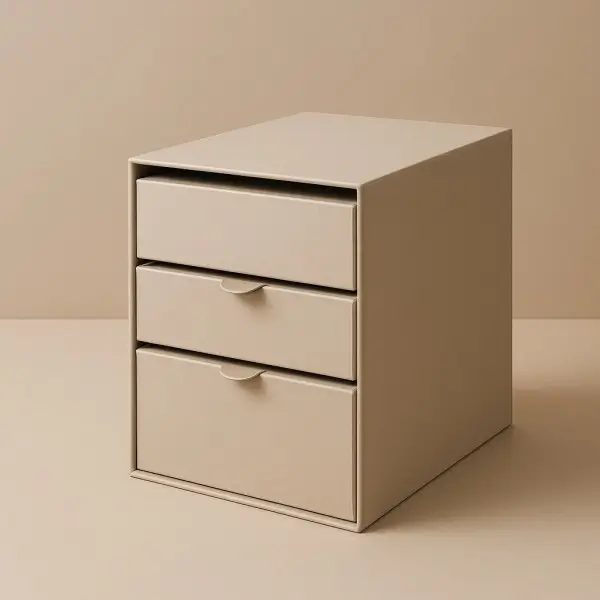
Multi-tier drawer
Works for sets or collections. Check layer order, weight balance, product map and whether the buyer can repack the set easily.
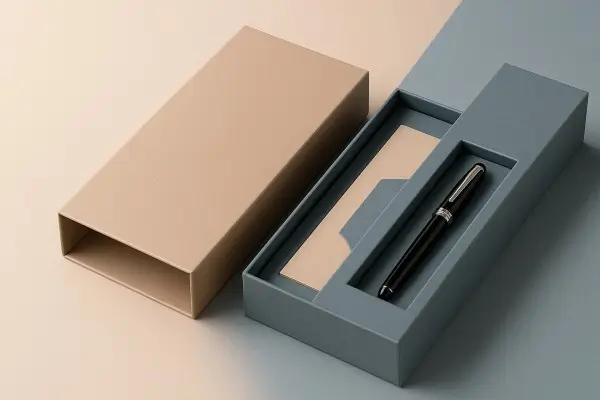
Insert and sleeve RFQ checklist
- ✓ Jewelry type, product dimensions, card dimensions and whether a pouch also sits inside the drawer.
- ✓ Inner tray material: paperboard, EVA, velvet surface, foam, molded fiber, satin pad or mixed route.
- ✓ Drawer opening detail: ribbon pull, thumb notch, push-release, shoulder-neck or simple sleeve.
- ✓ Artwork location on sleeve, tray, pull ribbon, card, hangtag, barcode label or outer carton.
- ✓ Quantity, delivery country, target price range, launch date and sample approval deadline.
- ✓ Inspection language for sleeve fit, glue, board, wrap, insert and packing; ISO 2859-1 sampling3 can support sampling terms.
What to test on the first sample
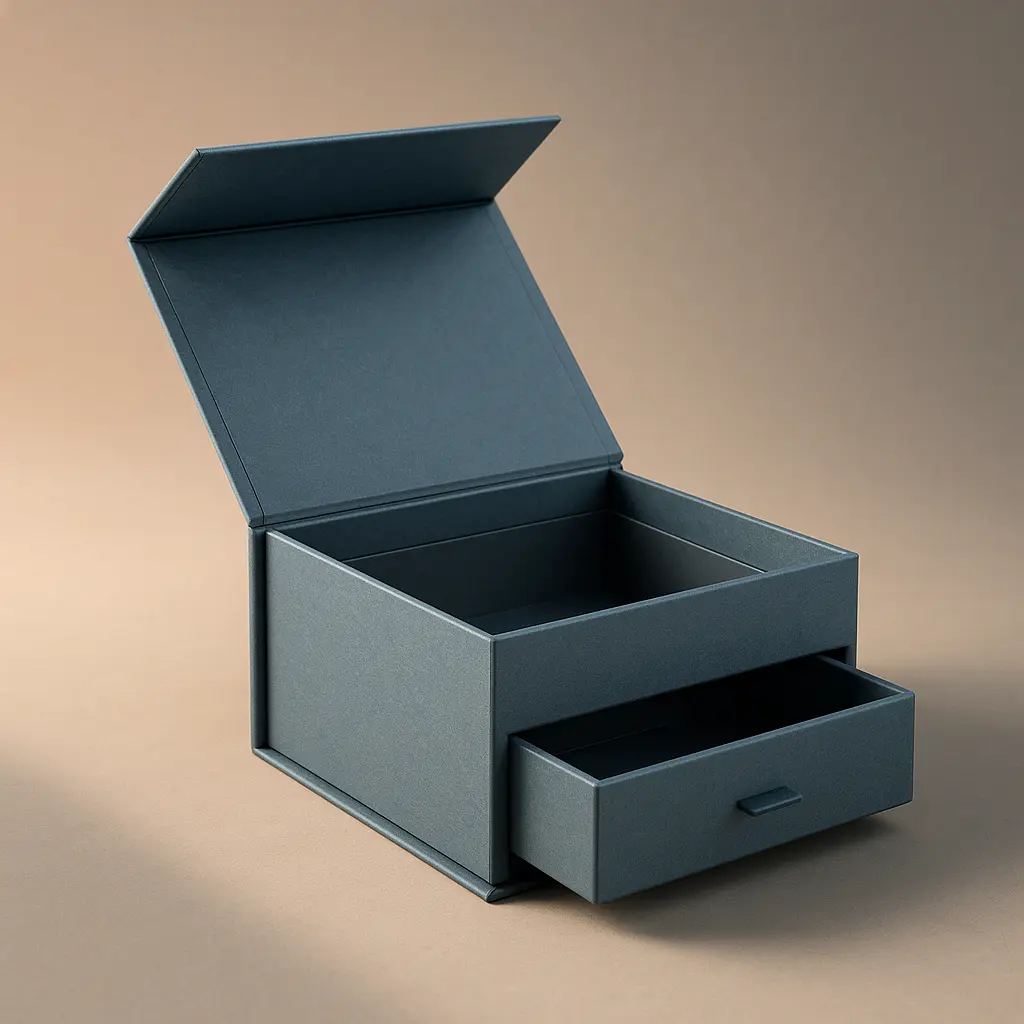
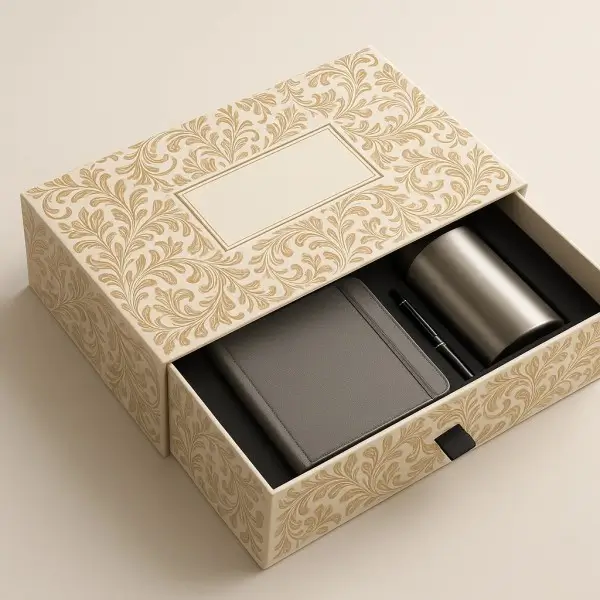
Confirm Drawer, Insert and Pouch as One Fit System
Separate the outer sleeve, drawer, insert, jewelry card, optional pouch and final packing route in the RFQ. Confirm every component’s dimensions before quotation. Approve drawer movement first, then insert or pouch fit, then artwork and carton packing so added thickness does not block closure or shift the jewelry.
Best fit and less suitable buyers
Best fit buyers are jewelry brands with MOQ 1000+, a ring, earring, pendant, bracelet or collection project, stable product dimensions, a clear launch or retail use and enough time for sample approval. Drawer boxes are especially useful when the opening experience matters and the buyer wants a stronger presentation than a simple folding carton.
Less suitable buyers include one-piece personal gifts, below-MOQ paper box requests, buyers without product dimensions, or teams that only compare outer-shell unit price. Drawer box quality depends on sleeve movement, tray fit, board strength, wrap finish and packing, not only exterior size.
A buyer is also not ready when the jewelry card size is still changing. Card dimensions affect insert depth, drawer height and product hold. It is better to confirm the jewelry card or pouch route before finalizing the drawer box sample.
Internal links for jewelry packaging planning
Review Ecoicolor’s custom drawer boxes page for drawer structures, and connect the RFQ with jewelry packaging planning when the project includes pouches, cards or collection sets.
A useful first message includes product dimensions, jewelry type, insert preference, drawer opening style, artwork stage, quantity, destination country, target price range and launch timing. That information lets the supplier recommend a structure before sample cost is confirmed.
How to approve drawer box samples before bulk production
A drawer box sample should be tested as a moving structure. Open and close it several times with the product, card, pouch or insert inside. Check whether the sleeve feels too tight, whether the drawer slides out too easily, whether the pull detail stays straight, and whether the product moves when the box is tilted. These details are more important than judging the empty box on a desk.
For jewelry, the insert should protect the product without hiding it. A ring slot, earring card, bracelet channel or pendant card needs a different depth and removal space. If the jewelry card is still changing, the buyer should mark the insert quote as preliminary. A final insert sample should use the intended card or an accurate dummy card with the same thickness.
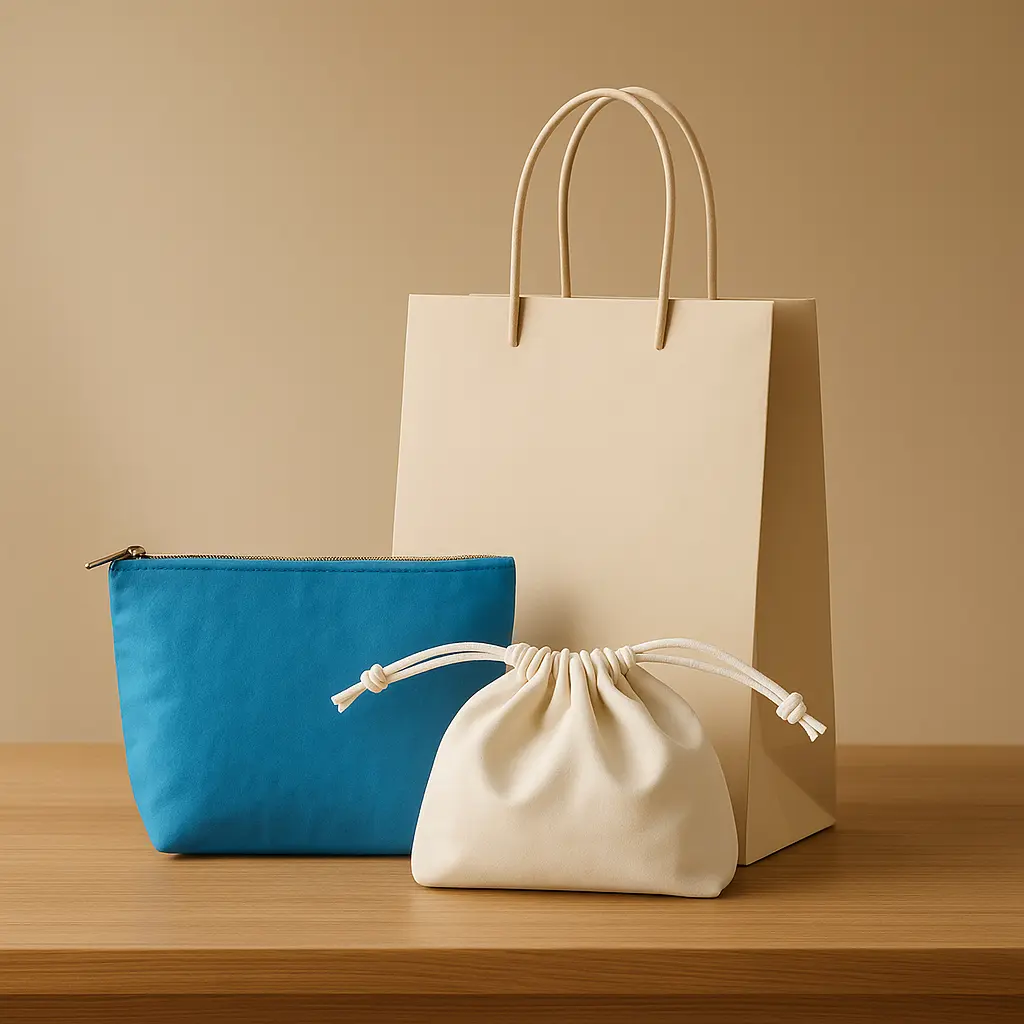
The paper wrap, logo finish and inner tray color should be reviewed under the same lighting that the brand uses for approval. If a pouch also sits inside the drawer, approve the pouch thickness and cord direction before finalizing drawer height. Otherwise, the pouch can make the drawer hard to close even though the box sample looked correct without it.
How this differs from a general jewelry packaging page
This article is not a broad jewelry packaging roundup. The buyer task is narrower: deciding the drawer box sleeve, insert and sample-approval route before production. That makes the page useful for buyers who already know they want a drawer-style presentation but still need to prepare a quote-ready brief.
A jewelry brand comparing box types should use the broader jewelry packaging page first. A buyer already leaning toward a drawer box should send the details listed here: product type, card size, insert route, sleeve style, pull detail, finish, quantity, ship-to country and launch window. This keeps the drawer-box guide focused on fit and sample decisions while the broader jewelry packaging page remains the route-comparison guide.
If the buyer is unsure whether to use a drawer box, lid-and-base box or pouch-plus-box set, Ecoicolor can review the route from the same product dimensions. The final quote should then separate shell cost, insert cost, pouch or card cost and packing cost so the buyer can see where the budget is actually going.
FAQ
What MOQ should jewelry brands expect for custom drawer boxes?
Custom paper drawer box projects should normally be planned from MOQ 1000 because structure setup, insert fit and sample approval are required.
Which drawer opening style is best for jewelry boxes?
Ribbon pull, thumb notch, push-release and simple sleeve routes all work in different cases. The best choice depends on product weight, opening feel, artwork and budget.
Should the insert be quoted with the drawer box?
Yes. The insert, card, pouch and drawer movement should be reviewed together because they affect inner height and opening behavior.
Can a drawer box hold both jewelry and a pouch?
Often yes, but the pouch thickness, cord knot and jewelry card size must be included in the sample review.
What should be checked before bulk production?
Check sleeve movement, insert fit, product removal, color, finish, pull detail, carton packing and visible QC checkpoints.
Sources
- FSC chain-of-custody information for paper packaging document support. ↩
- Responsible Jewellery Council standards overview for jewelry supply-chain context. ↩
- ISO 2859-1 sampling procedures for inspection by attributes. ↩
- Pantone Connect resources for color communication and color review. ↩
- ISTA packaging test procedure resources for transport checks. ↩