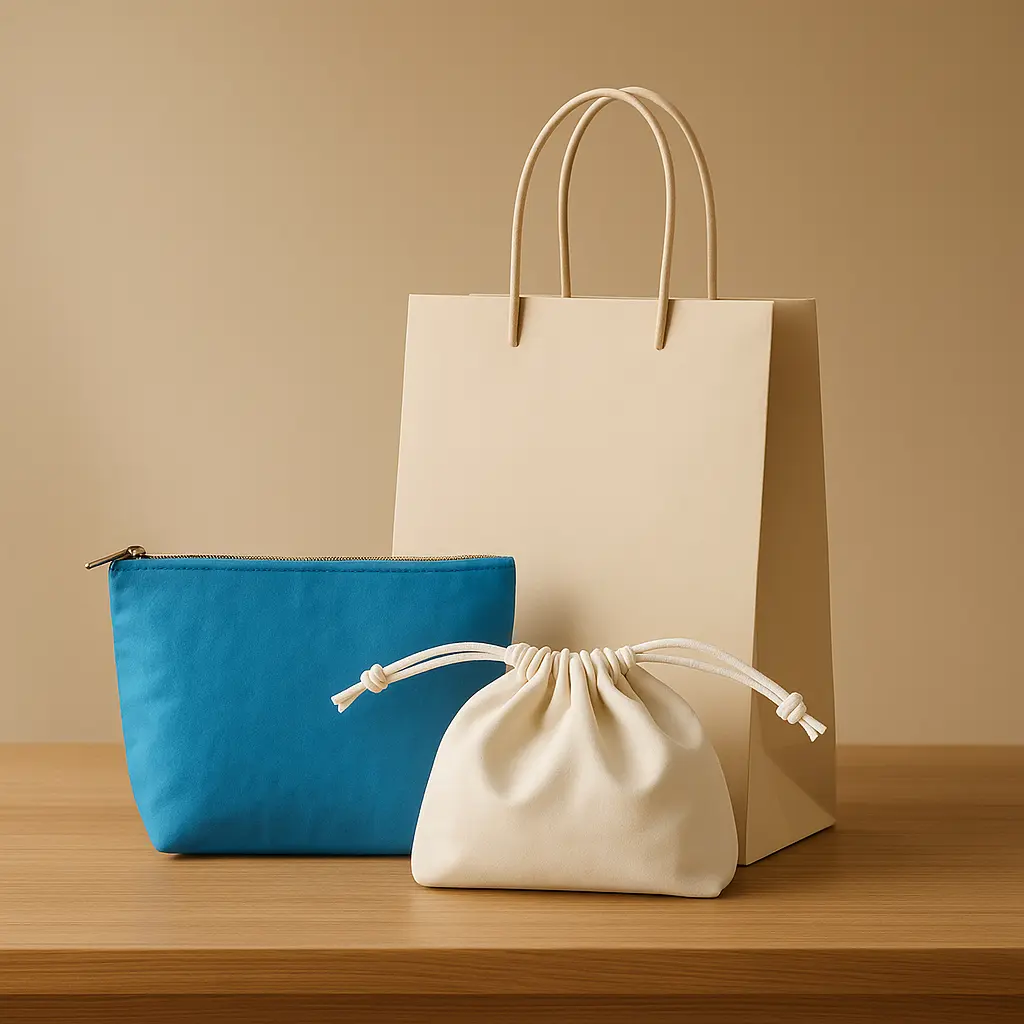
Buyer Summary
Use this guide when a beauty or jewelry team is approving a non-standard box outline. Name the front display face, product orientation, opening direction, artwork safe zones, insert position and carton direction on one annotated dieline before sampling. The purpose is to remove ambiguous production decisions, not to turn a reference image into an unverified structure.
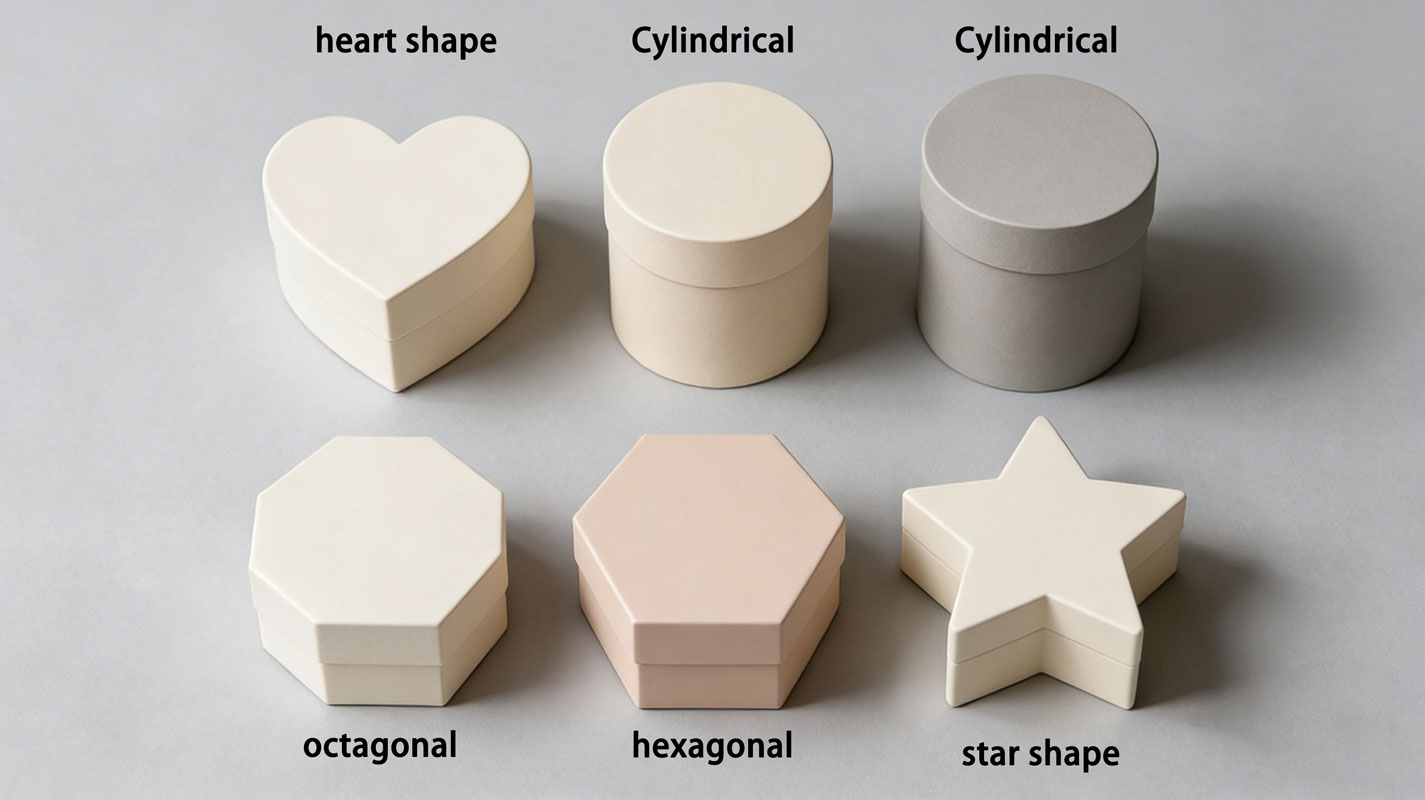
Lock the display face before converting the silhouette
A heart, hexagon, flower, character or logo-led shape may have several visually plausible fronts. The dieline should identify one display face and one top direction. Without that mark, artwork can be technically upright on the flat drawing but sideways when the finished box is displayed or opened.
إن FEFCO Code1 is a useful common language for structural packaging and fitments. A bespoke rigid box still needs its own annotated drawing because the brand shape, lid route and insert are project-specific.

Map orientation, opening and removal on one approval sheet
| Approval field | What the buyer marks | Why it changes the sample |
|---|---|---|
| Front display face | The face that should point toward the shopper or camera. | Controls logo direction, seam placement and presentation. |
| Product orientation | Cap-up, label-forward, jewelry face-up or another named position. | Controls cavity shape, support points and removal access. |
| Opening route | Lift-off lid, hinged lid, drawer, pull tab or sleeve direction. | Changes hand access, overlap, magnet or ribbon position. |
| Artwork safe zone | Logo, legal copy, barcode and no-print areas. | Protects text from curves, joins, folds and trimmed edges. |
| Outer-carton direction | How the shaped box is nested and stacked for shipment. | Affects transit protection and packing efficiency. |
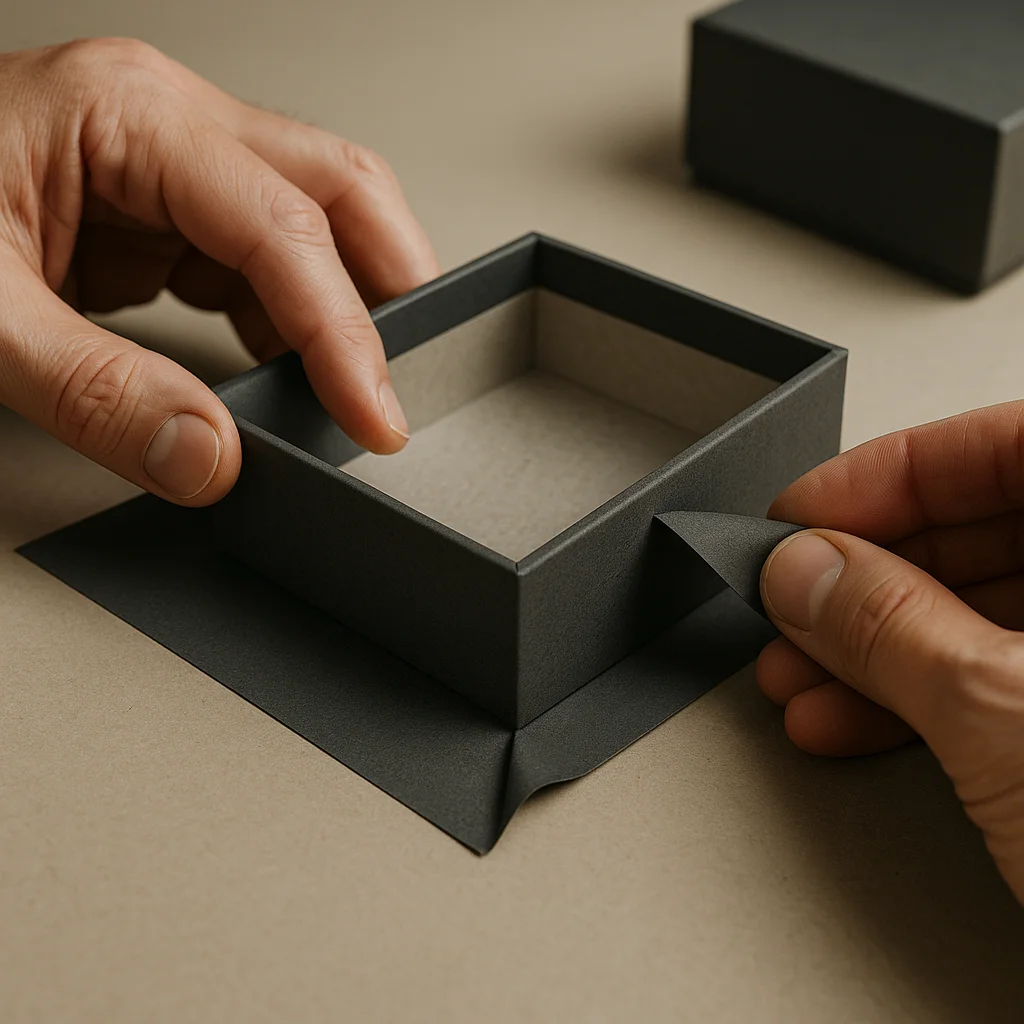
Check curves, corners and joins as production zones
Curved walls
Confirm whether artwork crosses a curve and whether the wrap can follow the radius without distortion.
Sharp points
Protect narrow points from board stress, scuffing and weak wrap coverage during handling.
Join location
Move visible joins away from the main display face where the structure permits.
The approved drawing should show these zones directly. Descriptions in email are useful context, but they should not be the only record used by artwork, sampling and production teams.

Approve the opening route with the real product map
A box can look correct when empty and still be difficult to use. Test whether the buyer can remove the product without pinching a narrow corner, dragging a label against the insert or lifting the entire insert out of the box. For fragrance and skincare, bottle cap height and label direction belong on the same product map. For jewelry, the face-up angle and finger access matter.
Distribution checks can be planned with context from ISTA test procedures2, but the approval sheet must also capture product-specific handling: where the buyer holds the box, where the product is lifted and which surfaces remain visible after opening.
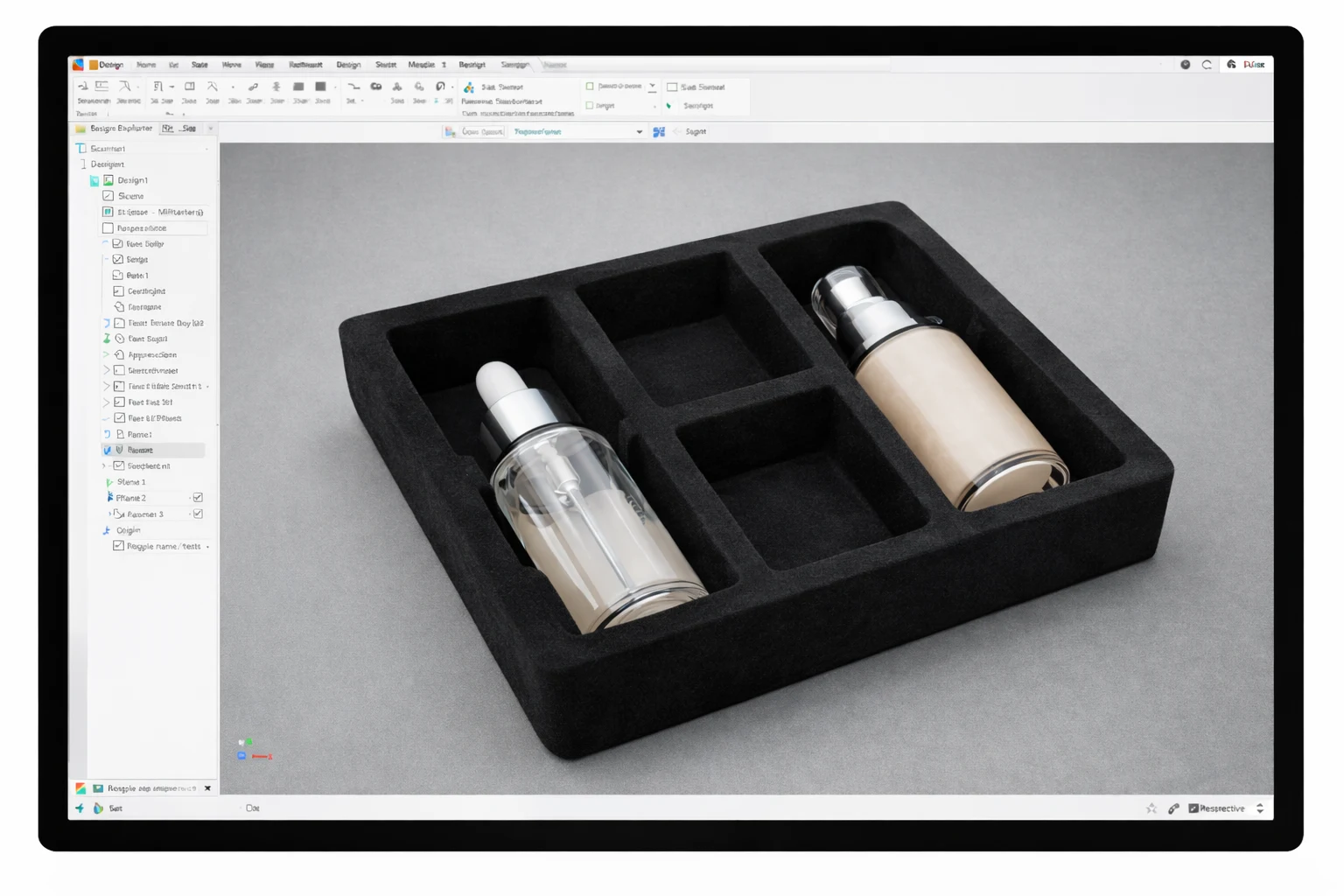
Dieline approval sequence before sampling
- Confirm the real product dimensions, weight and preferred display orientation.
- Choose the structural route and name the front, top and opening direction.
- Place the insert, product cavity, finger access and removal arrow on the drawing.
- Add logo, copy and barcode safe zones; flag curves, joins and no-print areas.
- Review the flat drawing and a simple assembled white sample before color proofing.
- Approve color and finish on the selected material route, using a physical target where appearance is critical.
Color references can be communicated through Pantone Connect3, but the final approval should remain tied to the physical material, print and finish selected for the shaped box.
Related procurement guides
FAQ
Can a custom shaped box be quoted from a reference image?
A preliminary route can be discussed, but a reliable quote needs product size, target box size, opening route, material direction, quantity and an approved structural drawing.
Who should mark the front display face?
The buyer-side brand or packaging owner should confirm it, because the decision controls artwork, product orientation and retail presentation.
Should the insert be approved on the same dieline?
Yes. Show the insert outline, product cavity, removal direction and any finger access so the outer structure and product map do not conflict.
When should color be approved?
Approve structure first, then confirm color and finish on the actual selected material route. A screen reference alone is not final production approval.
What should be signed before sampling?
Sign the structural drawing with front/top direction, opening route, product orientation, critical dimensions, safe zones and revision number.
About the Author

فيفي لو supports Ecoicolor buyers with RFQ review, structure choices, material routes, sample approval and retail packing for beauty, fragrance, jewelry and sewn-pouch projects. Connect with Vivi Lu on LinkedIn.