Use this guide to verify vegan-related claims for custom ring boxes before artwork, hangtags or product pages are approved. This page is not a general custom ring box RFQ. It focuses on component review: outer material, lining, insert, adhesive, ink, finish, pouch, label and documentation scope.
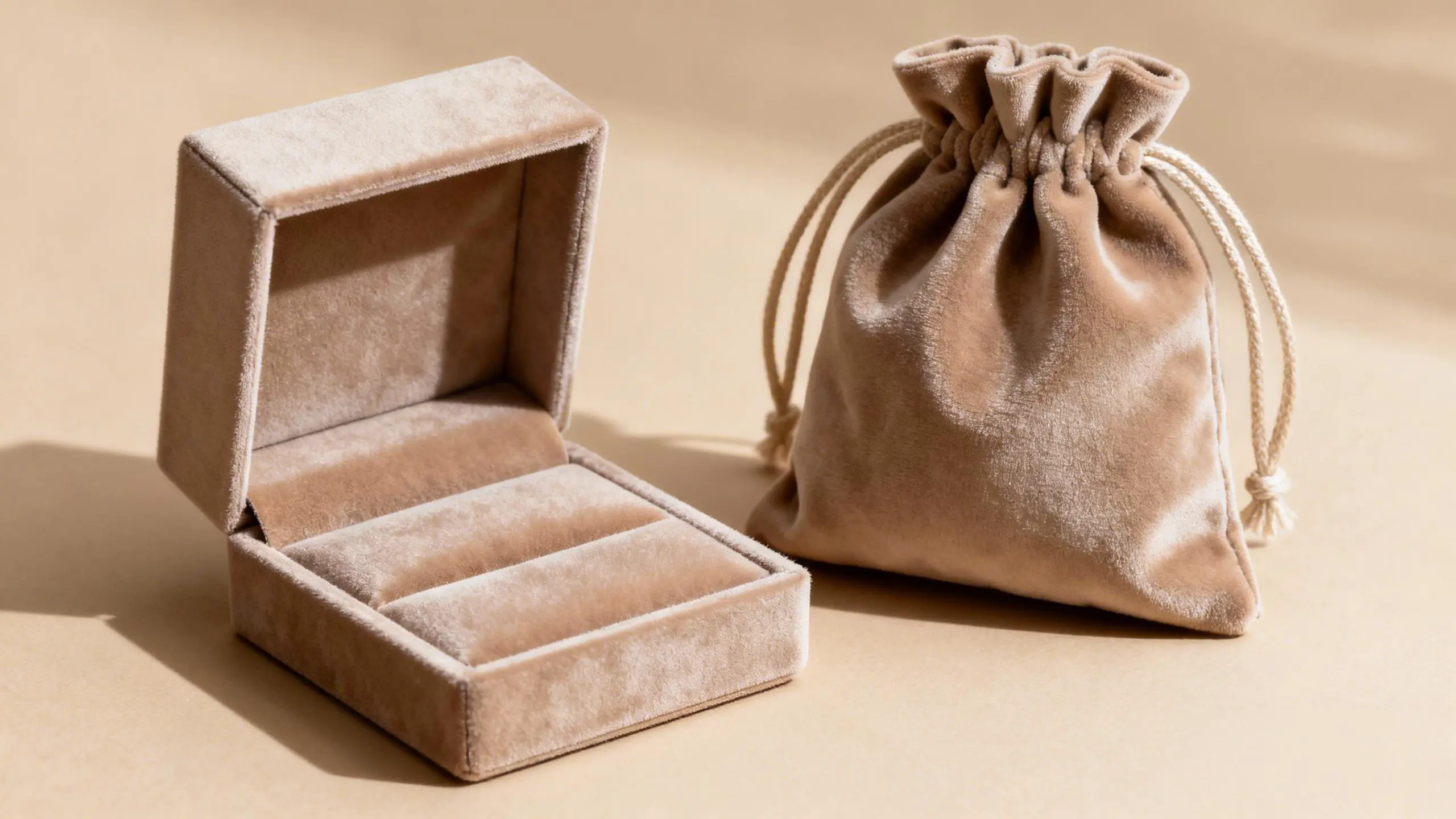
A custom ring box may look vegan because the visible surface is not animal leather, but the full packaging set can include many hidden components. If the brand wants vegan-related wording, the buyer should verify the material route component by component and keep the wording narrow enough to match the available file support.
Need a vegan ring box claim checked?
Send Ecoicolor your ring box structure, material list, insert route, lining, glue and ink questions, logo method and claim wording. We will review the scope before sampling.
Send a Packaging Brief View Jewelry PackagingQuick Answer
To ensure custom ring boxes can support vegan-related wording, review every relevant component: outer wrap, rigid board, lining, insert, adhesive, ink, ribbon, label, pouch and printed card. Ask the supplier which components are covered, what material descriptions are available, and whether a narrower claim is safer for hangtags, sleeves, product pages and retailer files.
Vegan Claim Verification Checklist
| Component | What to ask | Why it matters |
|---|---|---|
| Outer surface | What material is used and what file describes it? | The visible surface often drives the claim |
| Lining | Is the inner lining fabric, velvet, satin or microfiber? | The ring touches this material first |
| Insert | Is the insert paperboard, EVA, foam, fabric-covered or molded? | Hidden materials can affect claim scope |
| Adhesive | What glue route is used in assembly? | Adhesives are often missed in claim review |
| Ink and finish | What printing, foil, coating or finish is used? | Artwork claims should match production reality |
| Pouch and trims | Are pouch, ribbon, label and thread included in the review? | The full set may include non-box components |
For the broader ring box category, review Ecoicolor’s custom ring boxes guide. For inserts, see custom box inserts.
1. Define the Claim Before Choosing Wording
The buyer should decide what the claim actually means before using it in artwork. “Vegan ring box” can be too broad if only the outer surface has been reviewed.
Better questions include:
- Which components are included in the vegan-related review?
- Does the claim apply to the outer material only?
- Does it include lining, insert, adhesive, ink and pouch?
- Where will the wording appear?
- Does a retailer need a component table or supplier statement?
- Should the wording be narrowed before print approval?
This keeps the claim aligned with the actual material scope.
2. Review Visible and Hidden Components
Ring boxes are small, but they are made from many parts. A vegan-related review should not stop at the visible exterior.
Review:
- Paper wrap, PU, velvet, satin, microfiber or textile surface.
- Rigid board and paper components.
- Ring slot insert.
- Lining fabric.
- Glue and assembly method.
- Ink, foil, embossing, debossing or coating.
- Pouch, ribbon, label, thread, sleeve and card.
If a component is outside the review scope, do not imply that it has been verified.
3. Keep Ring Fit Separate From Claim Review
Vegan-related wording does not replace functional testing. The ring still needs a secure insert and proper lid clearance.
Check:
- Ring setting height.
- Ring slot width.
- Lid clearance.
- Removal path.
- Surface contact points.
- Whether one box supports several ring sizes.
The approved sample should confirm both claim scope and ring protection.
Need to check samples and claim scope?
Review material swatches, insert fit, glue and ink questions, logo samples and vegan-related wording before approving production.
Check MOQ and Sample Route View Rigid Box Options4. Ask Glue, Ink and Finish Questions Early
Adhesives, inks and finishes are often reviewed too late. Add these questions to the first supplier brief so the answer is available before artwork approval.
Useful wording:
- “Please list the main material components included in the vegan-related review.”
- “Please confirm adhesive and ink route for this structure.”
- “Please advise if our requested claim should be narrowed.”
- “Please identify any trims, labels or pouch materials outside the review scope.”
- “Please keep the approved material swatches with the sample record.”
This creates a cleaner approval trail for product, marketing and compliance teams.
5. Test Logo Method on the Final Material
Vegan-related material choices can change how the logo performs. PU, velvet, paper wrap, satin, microfiber and recycled polyester each react differently to foil, debossing, print, patch or label methods.
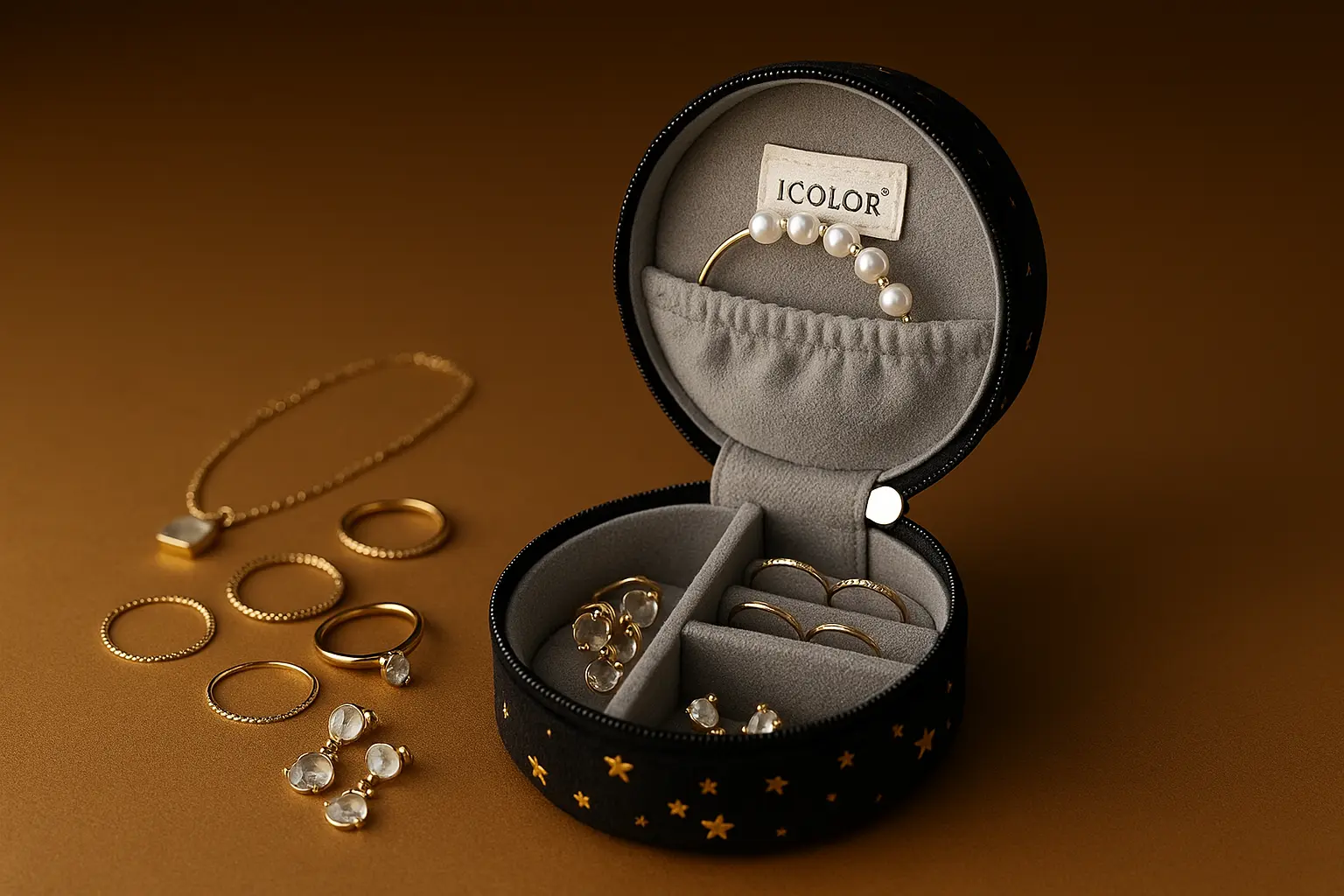
Check logo size, placement, surface marks, color contrast and whether the finish affects the approved material story.
6. Keep the Approval Record Together
Before bulk production, keep the following records together:
- Approved claim wording.
- Component list.
- Supplier material notes.
- Approved swatches.
- Sample photos.
- Ring fit comments.
- Logo method approval.
- QC and packing notes.
This helps prevent a later mismatch between website copy, hangtag wording and the actual ring box components.
FAQ
How can buyers ensure a custom ring box supports vegan-related wording?
Review the claim component by component, including outer material, lining, insert, adhesive, ink, finish, pouch, trims and printed cards. Keep wording aligned with the components that have been reviewed.
Is a non-leather outer surface enough for a vegan ring box claim?
Not always. The lining, insert, adhesive, ink, finish, pouch and trims may also matter depending on how broad the wording is and where it appears.
When should glue and ink questions be asked?
Ask at the RFQ stage, before artwork, labels or product pages are approved. This gives the supplier time to confirm the production route and suggest narrower wording if needed.
What should be tested in the ring box sample?
Test ring slot hold, lid clearance, removal path, surface contact, logo result, material texture, pouch fit and whether the sample matches the approved claim scope.
Ready to verify vegan ring box materials?
Share your ring box structure, material list, claim wording and logo file. Ecoicolor can review swatches, component scope and samples before production.
Request Material Swatches View Jewelry Packaging