Use this guide to brief custom ring boxes as a brand procurement project: ring slot fit, lid clearance, insert material, box surface, logo method, sample approval, QC checks and packing details for launch-ready ring collections.
Updated for jewelry brands, lab-grown diamond teams, fashion jewelry labels, retail buyers, gifting programs and private-label launch teams sourcing custom ring boxes beyond single-piece gift boxes or ready-stock options.
Send a Jewelry Packaging Brief View Jewelry Packaging
Buyer summary: A strong custom ring box RFQ should define the ring size range, slot structure, lid clearance, insert fit, material direction, logo method, quantity tiers, sample deadline, inspection points and final packing method. This helps filter out one-off gift packaging and focuses the quote on repeatable brand packaging.
Quick Answer
For jewelry brands, custom ring boxes should be quoted around ring fit first. The buyer should confirm ring size range, band height, insert slot, lid clearance, box structure, material surface, logo method, MOQ discussion, sample route, QC standard and packing plan before requesting a final price.
For Ecoicolor’s jewelry packaging route, see custom jewelry packaging. For rigid box structures, see custom rigid boxes manufacturer.
What to Prepare Before Requesting Ring Box Quotes
A practical jewelry packaging RFQ should include:
- Product type: engagement ring, fashion ring, ring set, pendant ring set or care kit.
- Packaging components: ring box, sleeve, pouch, insert, card, label and outer carton.
- Ring dimensions: ring size range, band height, stone height, weight and display angle.
- Insert route: ring slot, velvet-covered insert, paperboard insert, elastic hold or molded holder.
- Material route: paper wrap, velvet, satin, suede-like fabric, cotton, canvas, PU route, vegan leather route or specialty paper.
- Logo method: foil, emboss, deboss, screen print, embroidery, woven label, metal plate or hangtag.
- Quantity by component, sample deadline, bulk delivery target and ship-to country.
Custom Ring Box RFQ Checklist
| RFQ Area | What to Confirm | Why It Matters |
|---|---|---|
| Ring type | Engagement ring, fashion ring, ring set or care kit | Ring shape controls slot design and box height. |
| Packaging mix | Ring box, pouch, insert, sleeve, card and carton | Ring launches often need multiple matching components. |
| Insert fit | Slot depth, band hold, stone height and removal path | Inserts protect the ring and control the first view. |
| Material route | Paper wrap, velvet, satin, cotton, PU route or vegan leather route | Surface affects logo, color, texture and document needs. |
| Logo method | Foil, deboss, emboss, label, print, plate or embroidery | The logo route should match the material and order size. |
| Sample approval | Prototype, material swatches and pre-production sample | Physical approval prevents fit and color surprises. |
| QC and packing | Stitching, closure, insert, logo, surface, carton and labels | Jewelry packaging needs a clean finish at close viewing distance. |
1. Start With Ring Dimensions and Slot Fit
The packaging brief should begin with the ring, not the box photo. Ring boxes may look similar online, but slot depth, stone height and lid clearance change the structure quickly.
Send the supplier:
- Ring size range and band width.
- Stone height or tallest product point.
- Ring weight and display angle.
- Slot width, depth and grip requirement.
- Whether the customer should remove the ring by lifting, pulling a ribbon or opening a tray.
- Whether the ring is packed alone or as a set.
This helps the supplier quote a structure that fits the jewelry instead of a generic gift box that only matches the visual style.
2. Choose the Ring Box Structure
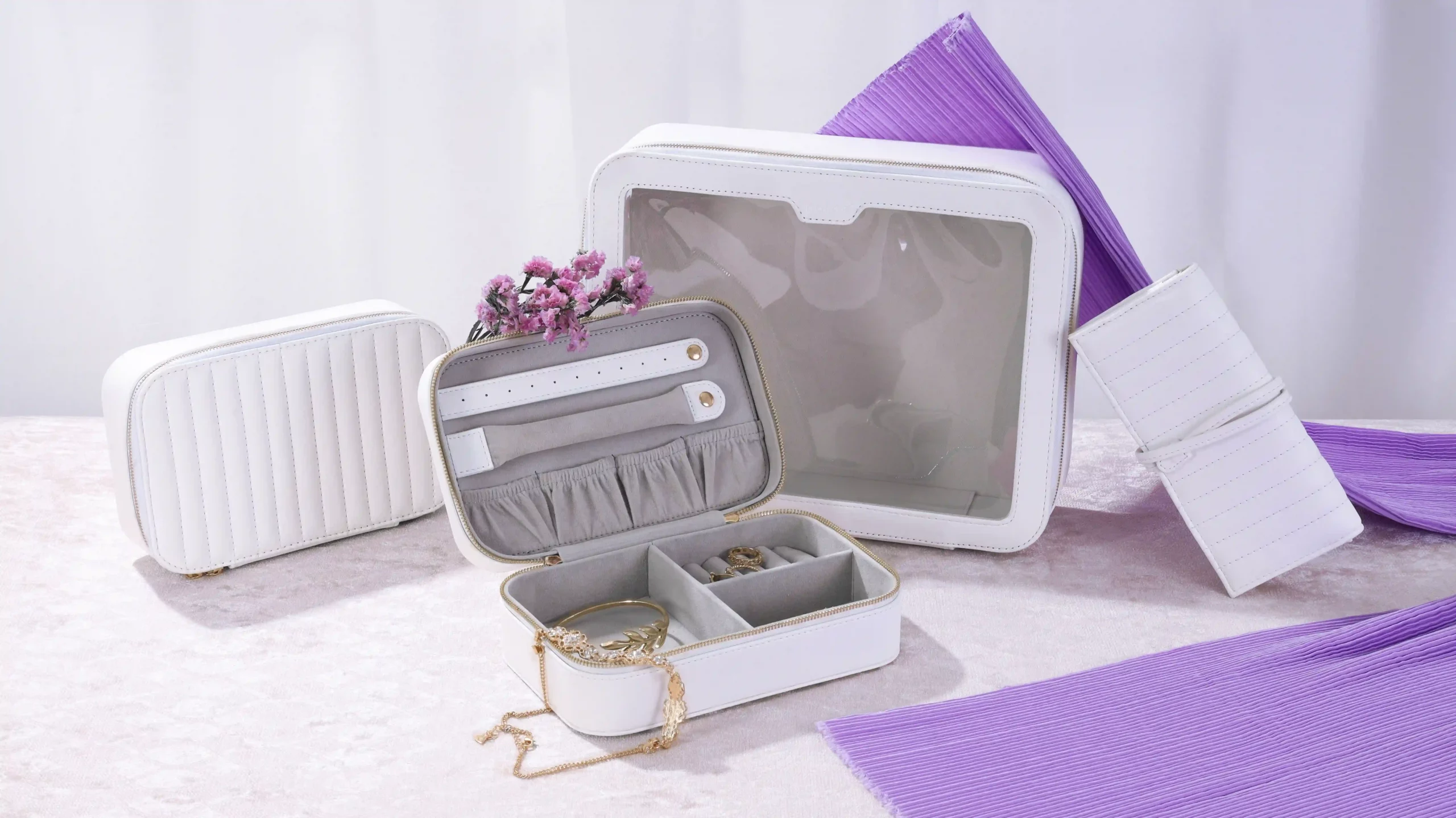
Most jewelry programs need more than one component. A ring launch may need a rigid box, velvet insert, outer sleeve, pouch and polishing cloth. A retail necklace set may need a drawer box, card holder, pouch and carton packing.
| Component | Best Fit | Buyer Checks |
|---|---|---|
| Ring box | Rings, engagement lines and premium small items | Insert slot, lid clearance, opening angle and hinge strength. |
| Drawer box | Necklaces, bracelets, charms and set packaging | Tray pull, insert height, sleeve friction and logo placement. |
| Lid-and-base box | Earrings, sets and retail presentation | Lid fit, board thickness, insert direction and carton packing. |
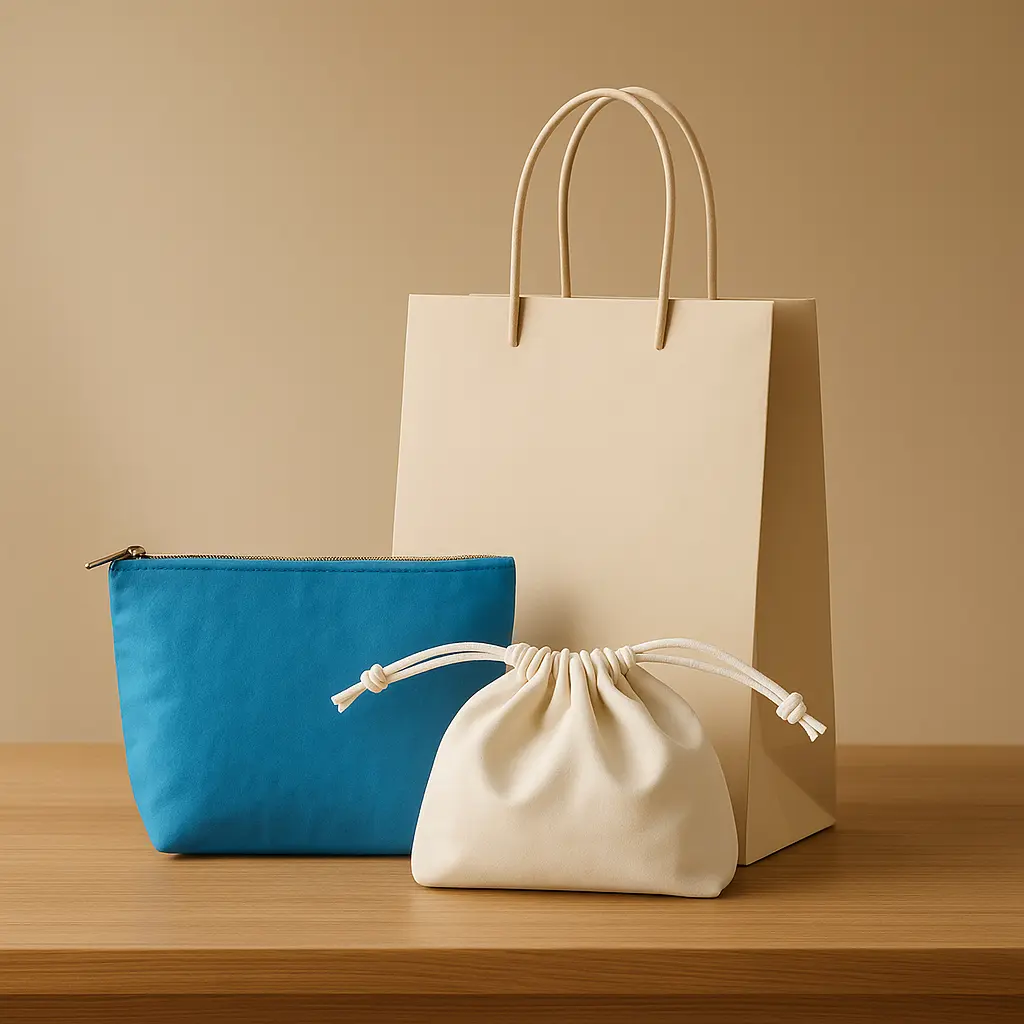
| Jewelry pouch | Travel, after-sale care, gifting and secondary protection | Fabric, drawstring, label, logo and jewelry movement. |
| Dust bag | Larger jewelry cases and accessories | Fabric weight, stitching, cord and label placement. |
| Sleeve or card | Retail display, protection and brand storytelling | Paper weight, print, barcode, finish and fit with the box. |
For drawer structures, review custom drawer boxes. For magnetic closure options, review magnetic closure boxes.
3. Plan the Ring Slot Before Artwork
The insert is where many jewelry packaging projects succeed or stall. It affects the first view, the logo placement, the box height and the protection route.
Common insert routes include:
- Ring slot insert for single rings and engagement collections.
- Elastic band insert for bracelets, charms and selected necklaces.
- Ribbon tie or ribbon lift for necklace presentation.
- Velvet-covered foam insert for soft visual presentation.
- Paperboard insert for paper-focused projects and lightweight sets.
- Molded holder for repeated product shapes.
- Multi-compartment tray for sets and care kits.
For insert planning, see custom packaging inserts.
Check MOQ and Sample Route Review Insert Options
4. Select Ring Box Material by Brand Position and QC
Material should be selected for both brand fit and production control. Jewelry packaging is inspected at a close distance, so color, texture, dust, glue marks and logo clarity matter.
| Material Direction | Best Use | Buyer Checks |
|---|---|---|
| Specialty paper wrap | Rigid boxes, sleeves and retail sets | Paper weight, texture, print result and color lot. |
| Velvet | Ring boxes, necklace boxes and gift sets | Pile direction, dust control, color match and insert finish. |
| Satin | Lining, pouches and high-touch presentation | Snag risk, color, shine level and packing protection. |
| Cotton or canvas | Jewelry pouches and natural texture routes | Fabric weight, drawstring, print result and stitch quality. |
| PU route | Structured boxes, travel cases and selected pouches | Surface grain, deboss result, odor review and lining. |
| Vegan leather route | Premium jewelry cases and mixed accessory sets | Texture, edge finish, logo method and surface protection. |
For material route comparison, see sustainable materials for custom packaging.
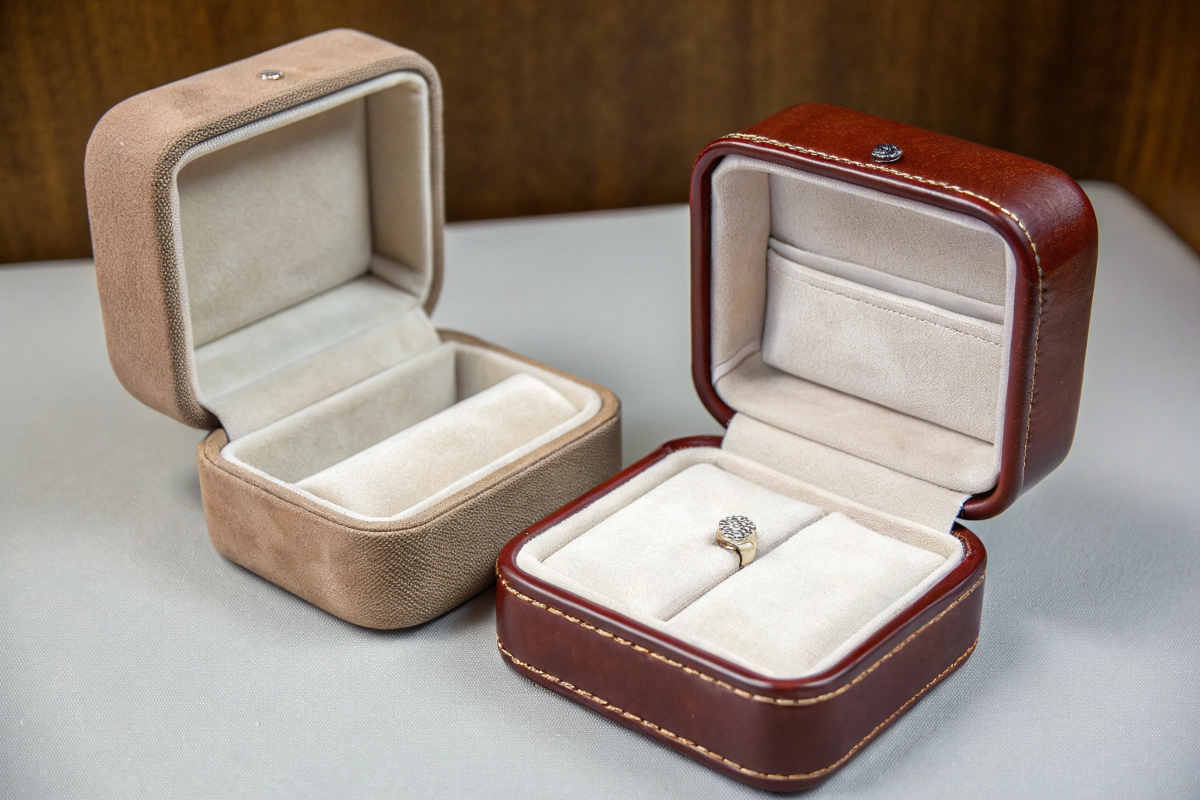
5. Match Logo Method to the Packaging Component
A jewelry packaging program may use more than one logo method. The box might use foil or debossing, while the pouch uses embroidery or a woven label.
| Logo Method | Best Fit | Buyer Checks |
|---|---|---|
| Foil stamping | Paper wrap boxes, sleeves and cards | Foil color, pressure, logo size and surface texture. |
| Emboss or deboss | Paper wrap, PU route and vegan leather route | Depth, edge clarity, logo position and material response. |
| Screen print | Pouches, dust bags and selected paper surfaces | Ink color, hand feel, print area and rub review. |
| Embroidery | Cotton, canvas, velvet and dust bags | Thread color, stitch density, backing and logo size. |
| Woven label | Pouches, dust bags and repeat collections | Fold type, label size, placement and edge finish. |
| Metal plate | Premium cases and selected gift sets | Plate color, attachment method, scratch review and packing protection. |
Ask for logo mockups on the actual material, not only a digital preview.
6. Align Quantity, Samples and Timeline
Jewelry packaging has multiple components, so one project can have different MOQ logic by item. A box, pouch, insert, sleeve and card may each follow a different setup route.
Ask the supplier to separate:
- Quantity by component.
- MOQ by box structure, pouch material and logo method.
- Sample fee by component.
- Material swatch availability.
- Prototype sample and pre-production sample timing.
- Bulk lead time after sample approval.
- Packing method by component and by set.
- Carton size, carton weight and warehouse label needs.
If the packaging will be assembled with jewelry, confirm whether the supplier provides empty packaging only or set packing support.
7. Approve Samples With Jewelry-Specific QC
Before bulk production, approve samples with the actual jewelry or a dimensionally accurate dummy. Empty packaging approval can miss insert pressure, chain movement and lid clearance issues.
Check:
- Jewelry sits in the insert without twisting, sliding or pressing against the lid.
- Box closure, hinge, drawer pull or magnetic feel matches the approved sample.
- Pouch stitching, cord, label and logo placement are clean.
- Material color, texture and surface match the approved swatch.
- Logo size, color, position and finish match the artwork proof.
- Insert surface is clean and free from glue marks or exposed edges.
- Carton packing protects corners, velvet, satin, plates and foil areas.
Keep one signed sample as the production reference, and define major, minor and critical defects before inspection.
RFQ Template for Custom Ring Boxes
| Field | Buyer Input |
|---|---|
| Project name | Brand, collection and launch timing |
| Jewelry type | Ring, earring, necklace, bracelet, charm, set or care kit |
| Packaging mix | Box, pouch, insert, sleeve, card, label and carton |
| Quantity | Quantity by component and target quantity tiers |
| Structure | Ring box, drawer box, lid-and-base box, pouch or dust bag |
| Material | Outer material, lining, insert surface and document needs |
| Logo | Method, size, placement, artwork file and color reference |
| Sample plan | Material swatches, prototype sample and approval deadline |
| Packing | Empty packaging, set packing, inner carton and master carton |
| QC | Insert fit, closure, logo, surface, stitching, carton and labels |
When to Use a One-Stop Packaging Supplier
A jewelry launch may need rigid boxes, sewn pouches, inserts, cards, labels and carton packing in one visual system. A one-stop supplier can help when the brand wants the box and pouch to feel coordinated instead of sourced from separate vendors.
This is useful when:
- A ring box and jewelry pouch must share the same color direction.
- The insert, card and sleeve need to fit one box structure.
- The brand needs material swatches before artwork approval.
- The launch needs multiple packaging components on one timeline.
- QC needs to compare box, pouch, insert and logo against one approved reference.
For related multi-component planning, see one-stop cosmetic packaging supplier for beauty brands.
Ready to Brief Jewelry Packaging as a System?
Send Ecoicolor your jewelry type, box structure, pouch route, insert needs, material direction, logo artwork, quantity target, sample deadline and packing plan. We will review the route needed for a useful quotation.
FAQ
What should a custom ring box RFQ include?
A custom ring box RFQ should include ring size range, band height, stone height, box structure, insert slot, material direction, logo method, quantity by component, sample deadline, QC standard and packing plan.
Why should custom ring boxes and pouches be sourced together?
Sourcing boxes and pouches together helps control color direction, material texture, logo placement, sample timing and QC references across the full jewelry packaging set.
What should be checked before approving a custom ring box sample?
Check ring slot grip, stone clearance, lid clearance, closure feel, surface condition, logo placement, color match, glue marks, pouch stitching and carton protection before approving a sample.
How do you avoid single-piece gift box traffic?
Write the brief around brand packaging, quantity tiers, component mix, samples, QC and launch packing. This makes the project clear for manufacturing suppliers and less attractive to one-off gift box inquiries.