Paper tube RFQ guide
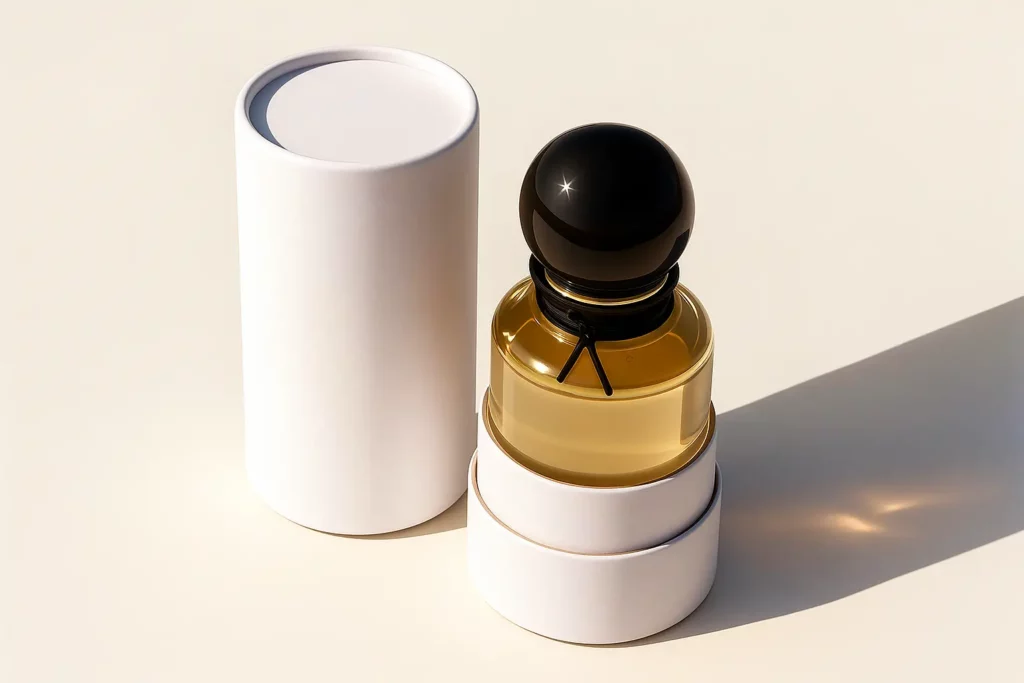
Do not brief a tube by volume only. Start with the actual bottle size and tube structure.
This guide is for fragrance, perfume, essential oil and beauty brand buyers preparing custom paper tube packaging. It helps buyers send Ecoicolor a quote-ready brief for single-bottle tubes, discovery sets, inner lining, cap style, insert support, print finish, MOQ 1000 and sample planning.
Quick Summary
Paper tube packaging for fragrance and essential oil brands should be briefed by actual bottle dimensions, not only by bottle volume. Ecoicolor needs the widest bottle diameter, total height with cap, filled weight, bottle count, tube inner diameter target, tube height, cap style, lining direction, insert need, artwork status, target price, ship-to country and launch date. Paper tubes, paper inserts and related paper packaging should be planned from MOQ 1000. If the project also needs a sewn pouch, that route should be quoted separately from MOQ 500.
How this guide differs from the launch kit and bottle insert articles
The fragrance launch kit article explains how to choose between outer package, insert, tube and pouch options. The bottle insert article focuses on cap clearance, pump protection and glass bottle support. This article owns a narrower job: preparing a paper tube RFQ that Ecoicolor can quote without guessing tube diameter, height, cap style or insert route.
That focus protects internal competition. A buyer who already wants a tube needs cylinder-specific details, not a general fragrance packaging article.
Paper tube RFQ data: bottle size, not just 10ml or 30ml
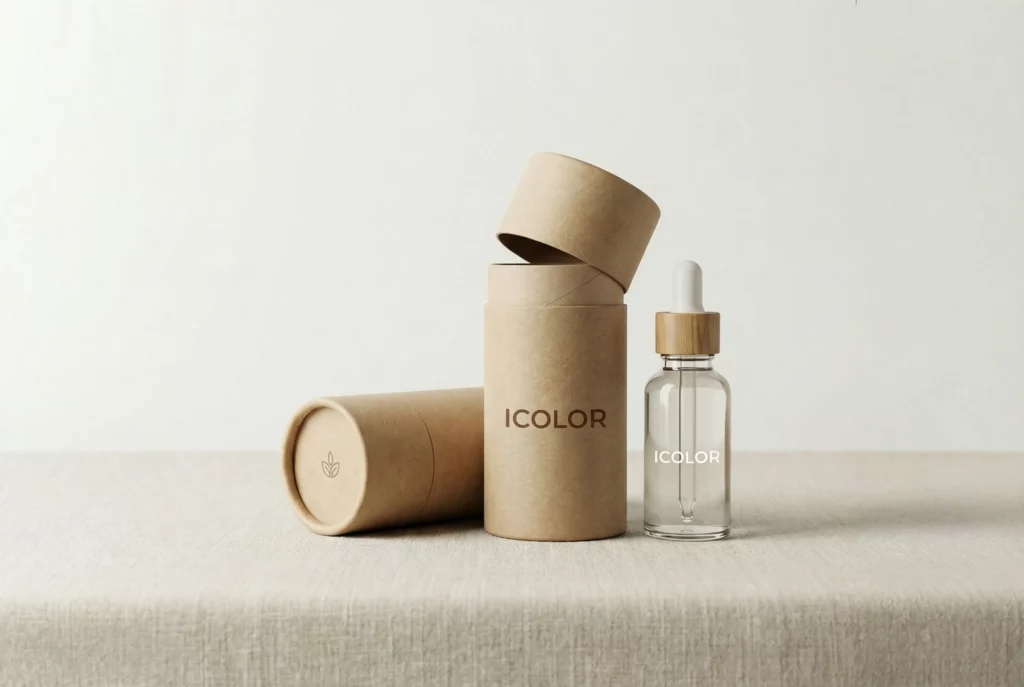
A paper tube RFQ should start with real product dimensions, not only bottle volume. Ecoicolor needs the bottle’s widest diameter, full height with cap or dropper, filled weight and bottle count before useful tube sizing.
| RFQ field | What to send | Why Ecoicolor needs it |
|---|---|---|
| Bottle widest diameter | Actual widest point, not only product volume. | Controls tube inner diameter and side clearance. |
| Total height with cap | Bottle body plus cap, dropper, pump or sprayer. | Controls tube height, cap clearance and insert depth. |
| Filled weight | Filled or empty weight, plus set weight if multiple bottles. | Controls paperboard thickness, insert support and packing review. |
| Bottle count | Single bottle, two-bottle set, three-bottle set, vial set or accessory bundle. | Controls whether the tube needs a simple cavity, partition or layered insert. |
| Launch channel | DTC, retail shelf, boutique, spa, discovery set, gift set or travel retail. | Controls presentation level, label area, barcode and finish direction. |
| Target price | A realistic target range or cost ceiling. | Helps Ecoicolor recommend a practical tube wall, lining, insert and finish route. |
Choose tube structure before choosing print finish
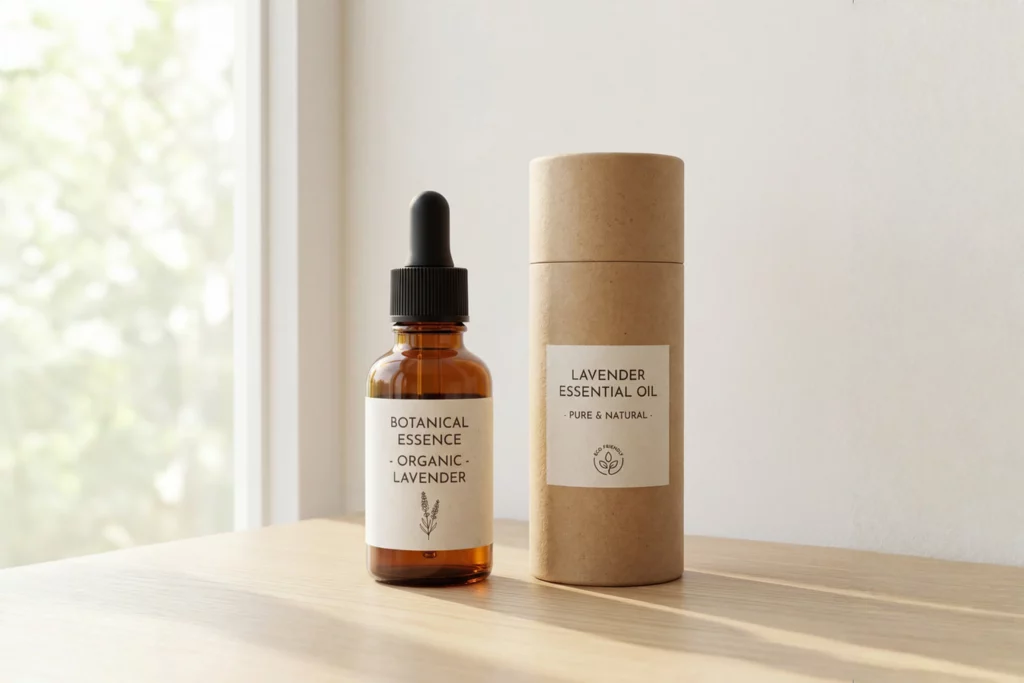
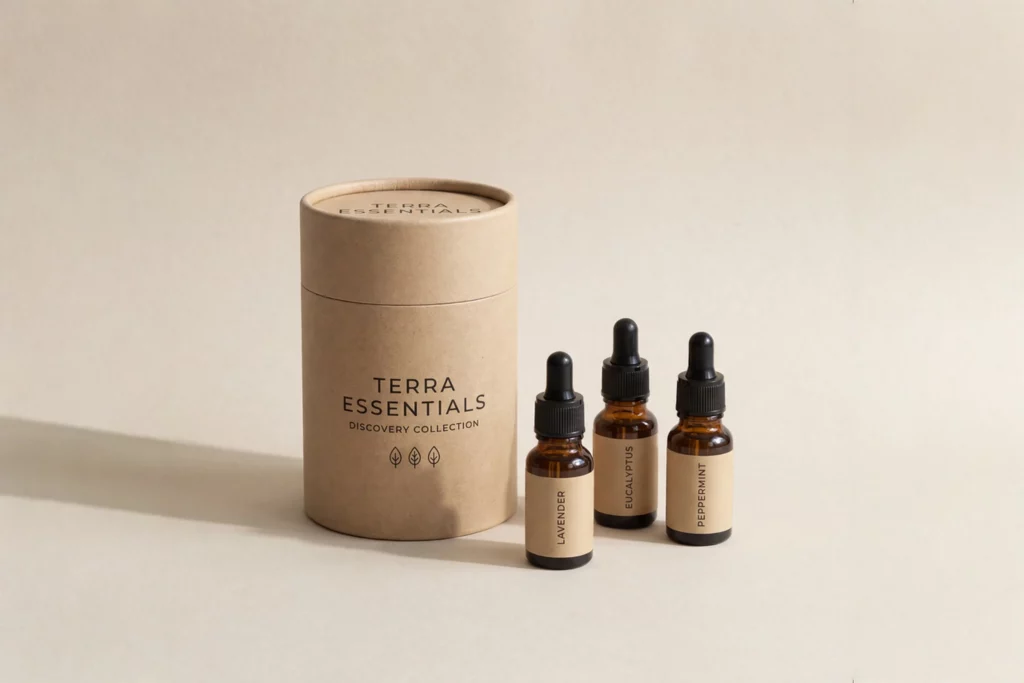
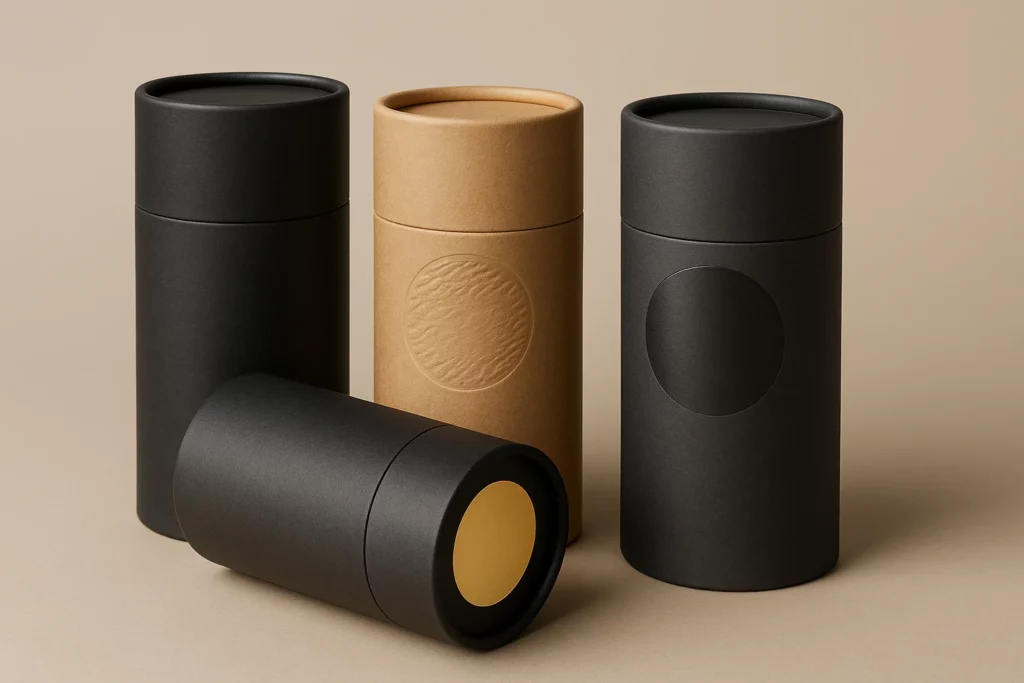
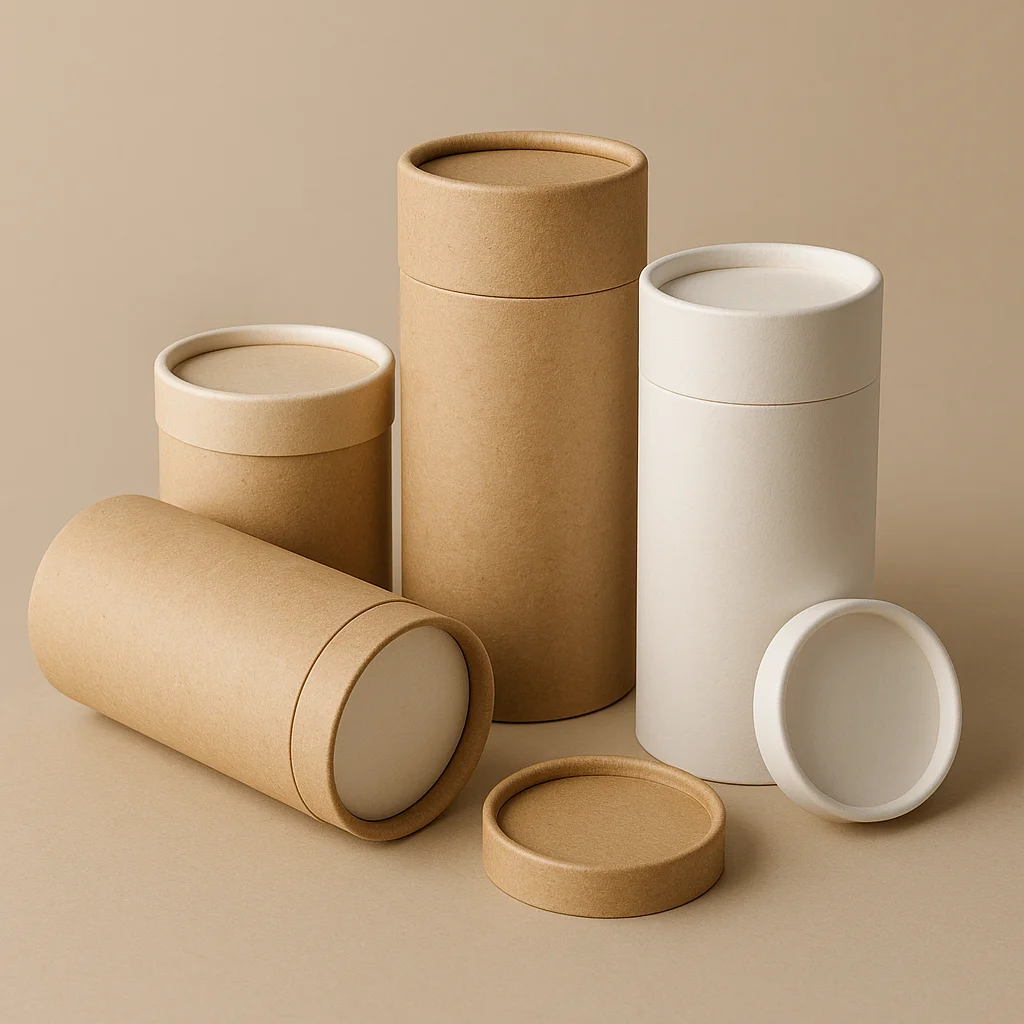
Paper tube structure affects loading direction, sample timing, insert fit and the unboxing feel. Ecoicolor should know whether the buyer wants a one-piece tube with separate cap, telescopic route, standard three-piece structure, rolled edge, flat edge or another construction before finishing details are finalized.
Inner diameter
Set by the widest bottle point plus needed clearance and insert wall allowance.
Tube height
Set by full bottle height with cap, top clearance, base support and lid depth.
Cap style
Separate cap, telescopic, rolled edge, flat edge or specialty lid direction.
Loading method
Top load, layered set, single bottle, multiple bottles or insert-supported tray.
Retail details
Barcode area, label direction, warning copy, batch sticker and shelf presentation.
Sample route
Prototype review should check opening feel, bottle stability, insert and print finish.
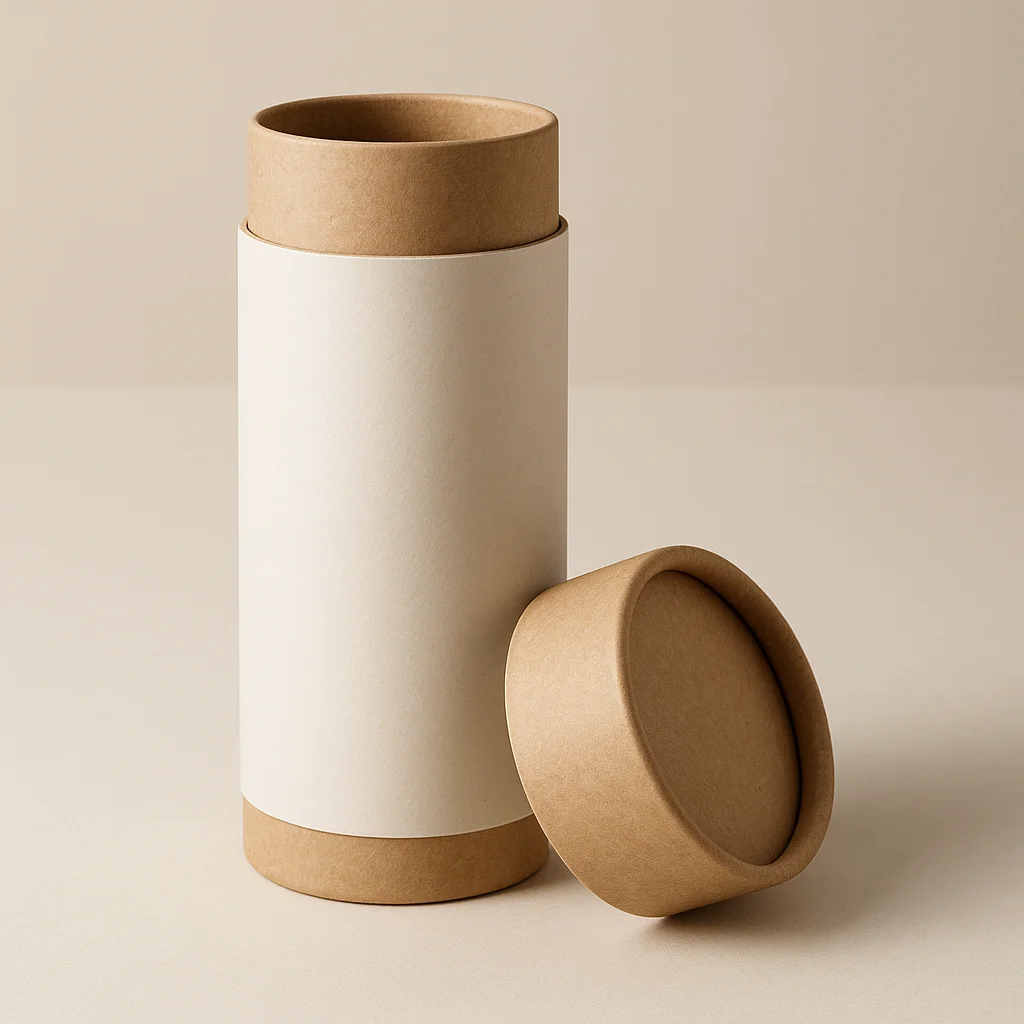
Separate cap route
Useful when the buyer wants a clear top-and-base opening and simple single-bottle loading.
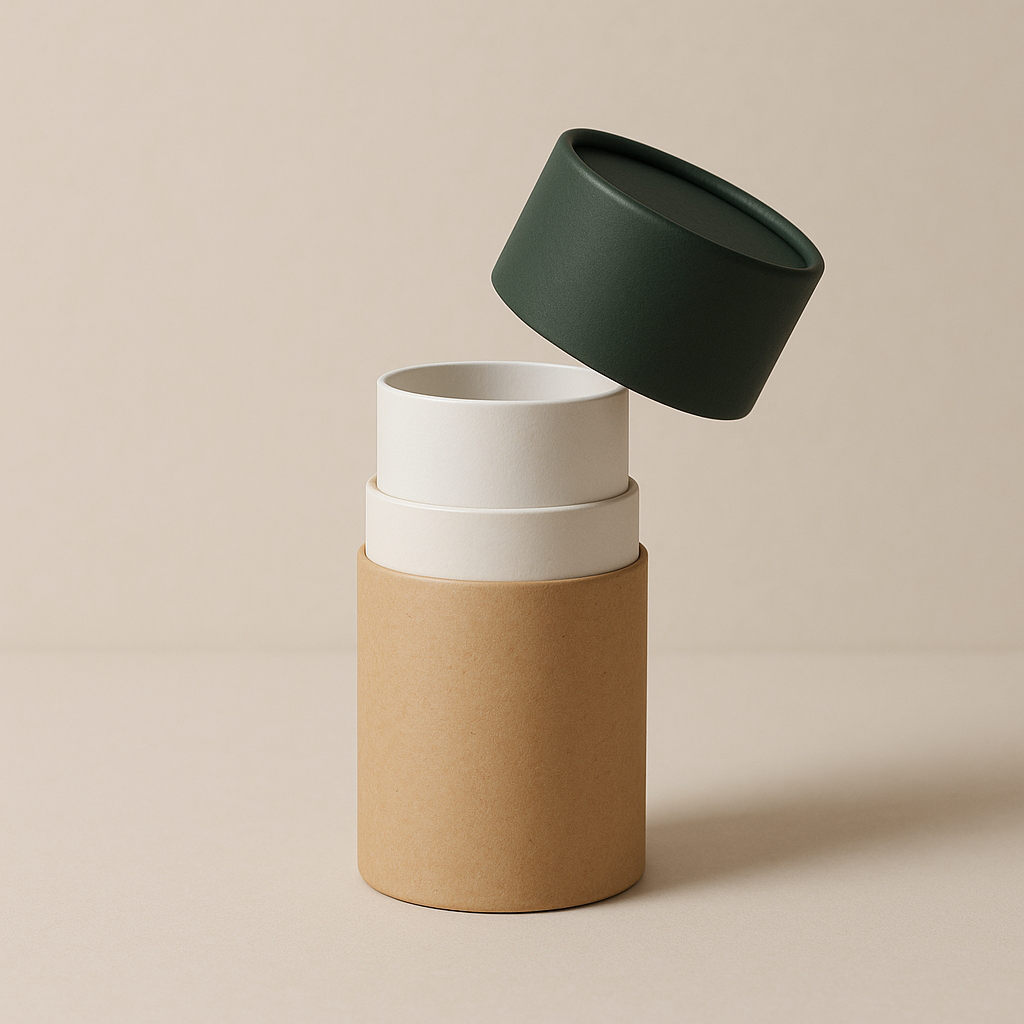
Three-piece structure
Useful when the inner neck, lid depth and base support need to be planned together.
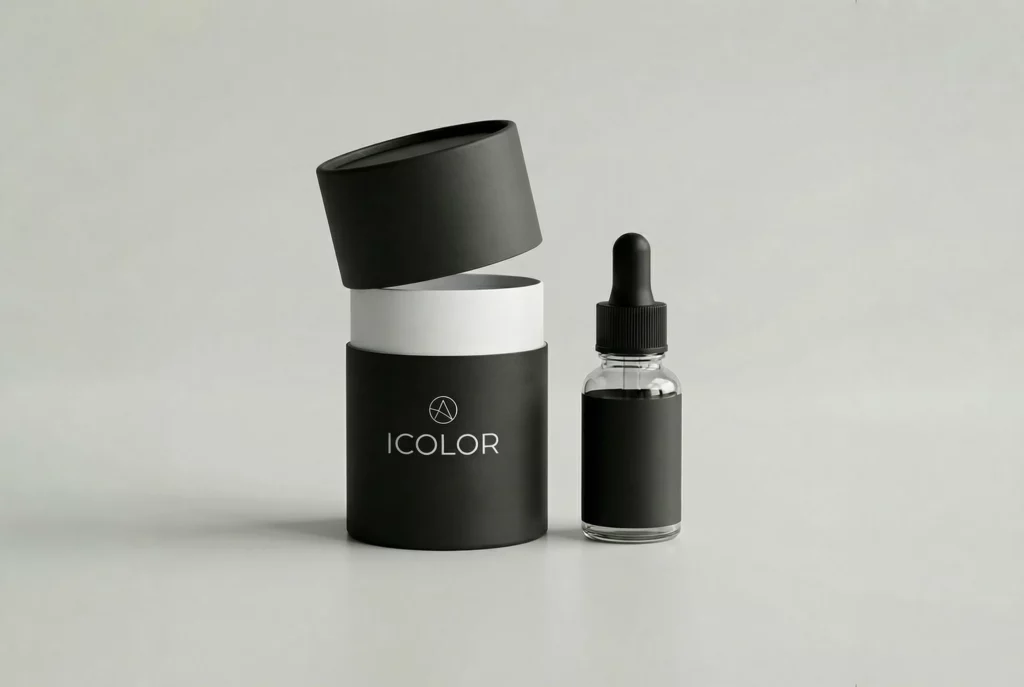
Flat edge route
Useful for a cleaner edge profile when the brand wants a simple cylindrical presentation.
Inner lining and insert support for bottle stability
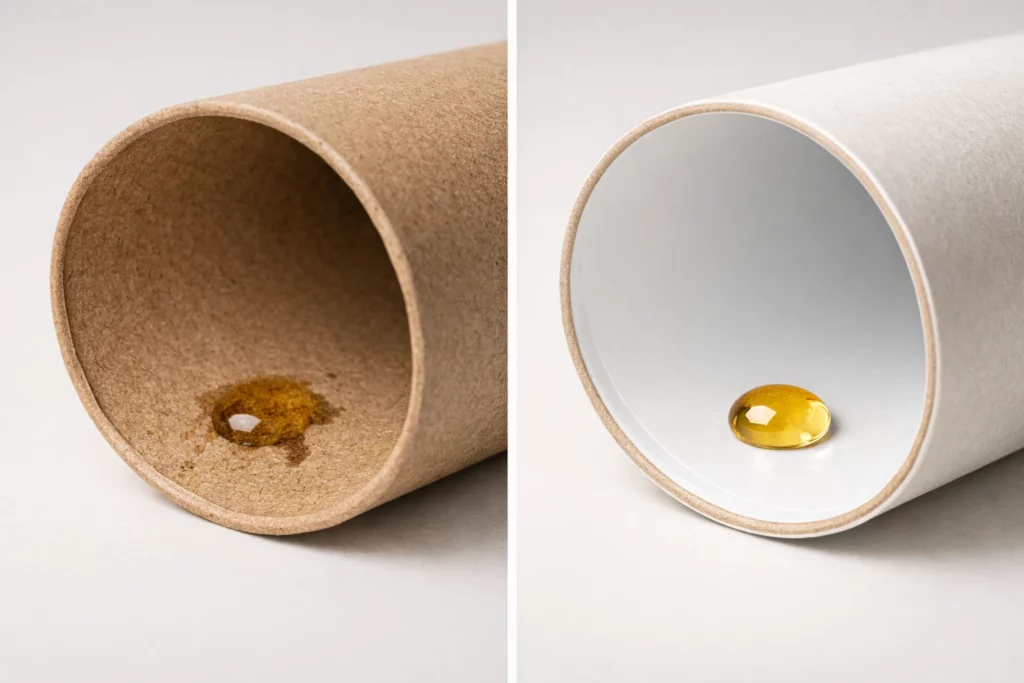
Paper tube projects can fail when the outside looks right but the bottle moves inside. Bottle count and insert format should be confirmed before sampling. Ecoicolor should know whether the tube needs plain lining, white lining, specialty lining, paperboard insert, molded pulp platform, foam insert or divider support.
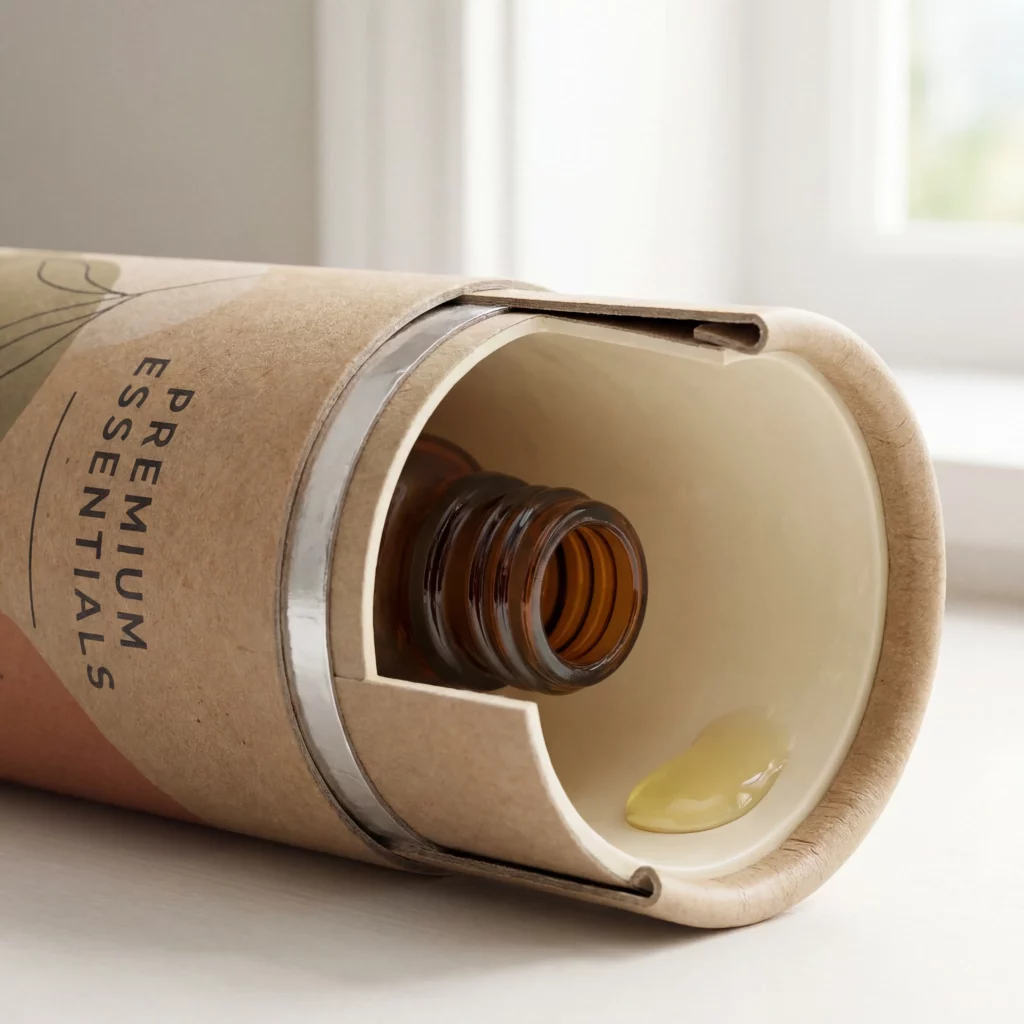
White lining
Useful when the inside of the tube is visible during unboxing and needs a clean presentation.
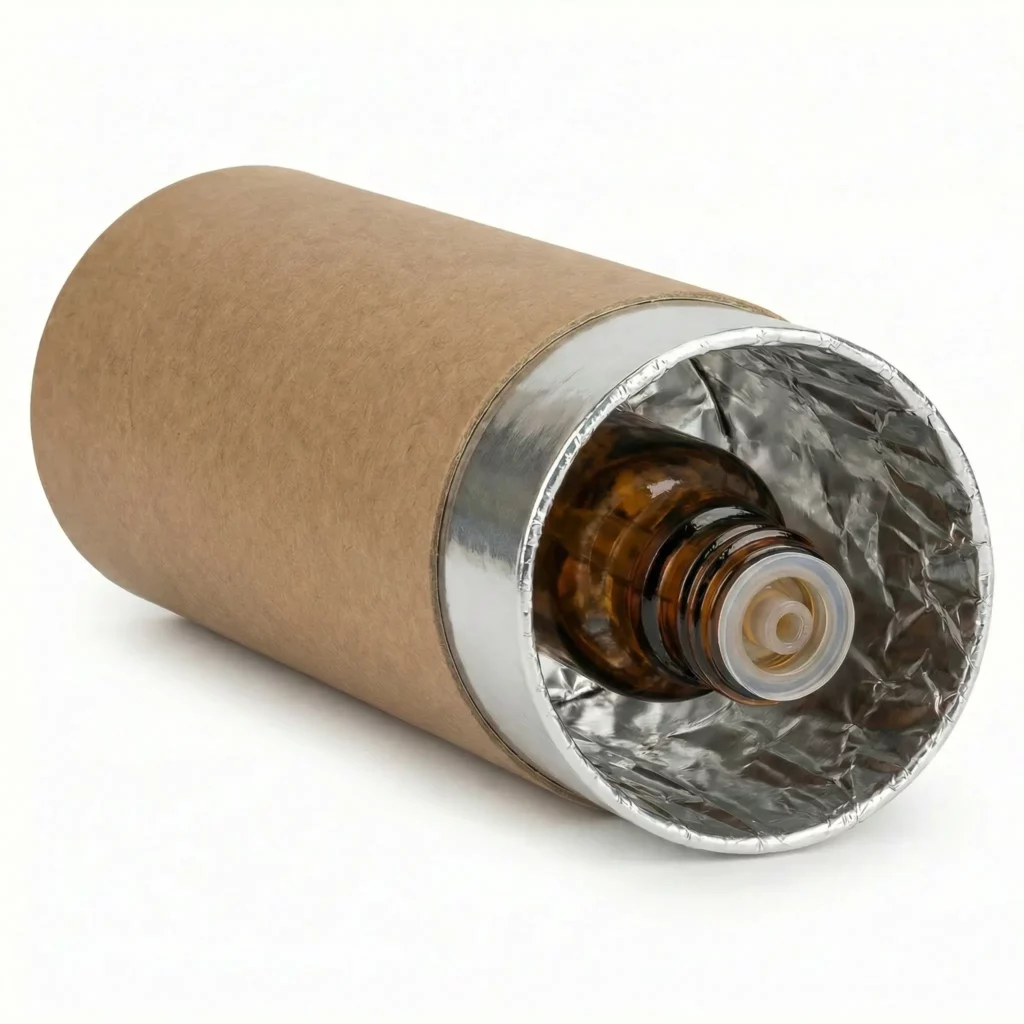
Special lining route
Useful when the buyer needs a specific inside appearance or functional lining discussion.
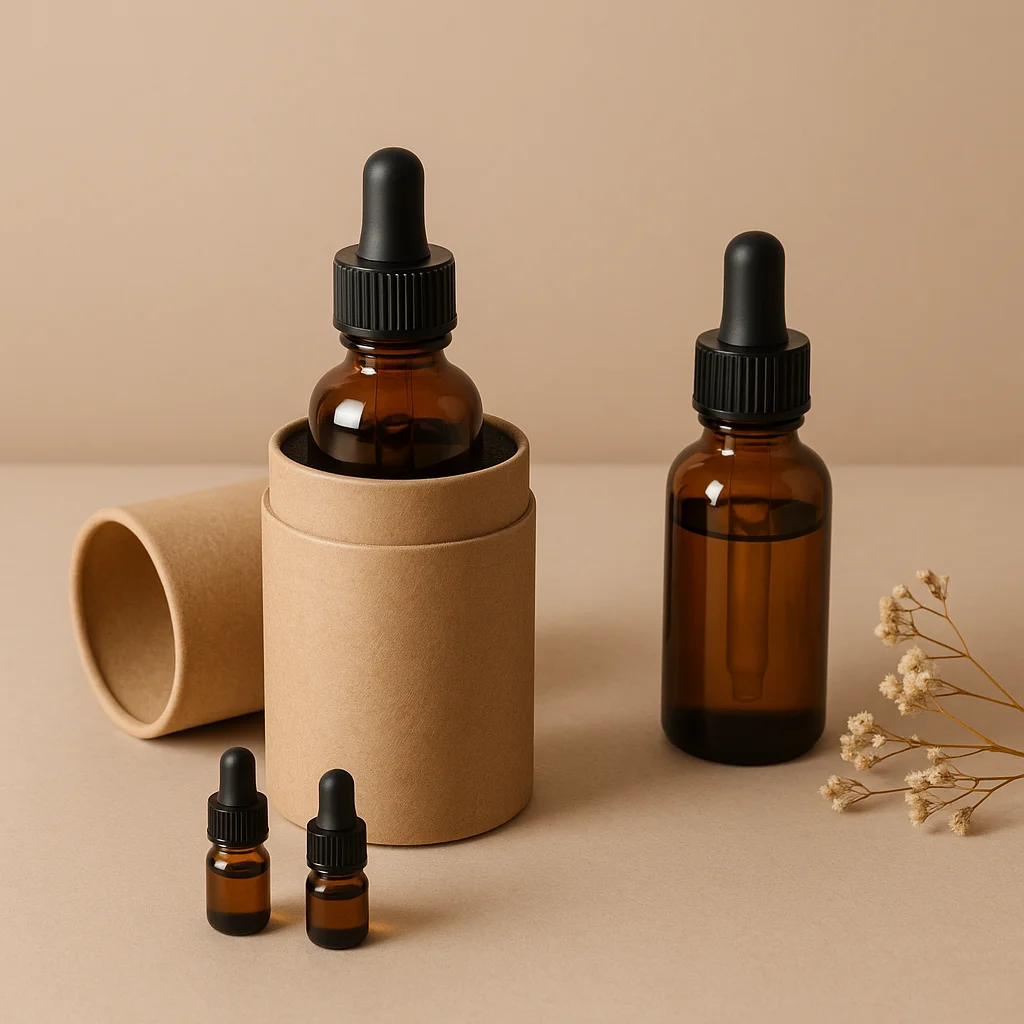
Platform or insert support
Useful when the bottle should sit higher, stay centered or avoid direct movement inside the tube.
Print, wrap and finish details that affect quote accuracy
After tube structure is clear, the buyer can compare wrap paper, CMYK print, Pantone, foil, embossing, debossing, texture paper, label area and barcode placement. FSC chain-of-custody information is relevant when forest-based material documentation is required.1 Barcode or UPC planning can follow GS1 guidance when the project needs retail identifiers.2
MOQ 1000 and sample timing for custom paper tube packaging
Ecoicolor should plan custom paper tube packaging, paper inserts and related paper packaging from MOQ 1000. If the same launch also needs a sewn fabric pouch, the pouch route should be quoted separately from MOQ 500 because fabric, sewing, logo method and material route follow a different production path.
Sample timing is confirmed after usable dimensions, artwork and material direction are ready. Special paper, custom lining, tube cap structure, insert, window, complicated print finish, repeated artwork changes or missing bottle data can extend timing. For shipping and transit planning, ISTA resources can help frame distribution test expectations before final pack-out decisions.3
Verified project: a glass bottle needed more than a size line
In a completed 1,000+ unit straight-wall paper tube project, the buyer supplied bottle dimensions but no physical bottle. We requested measurement photos, rechecked the dimensions and added an insert to control movement. The revised sample was approved and the order proceeded. Read the anonymized fit-review case.
Custom paper tube packaging RFQ checklist
Product and tube data
- Bottle widest diameter, full height with cap and filled or empty weight.
- Bottle count per tube: single bottle, two bottles, three bottles, vial set or accessory set.
- Tube inner diameter target, tube height target and cap style preference.
- Insert route: paperboard, pulp platform, foam support, divider or no insert.
- Lining direction: kraft, white, printed, specialty lining or undecided.
Commercial and artwork data
- Target price, MOQ 1000 plan, sample deadline and launch date.
- Ship-to country, retail channel and any barcode or label requirement.
- Artwork status: final files, concept only, dieline needed or label-only route.
- Finish direction: CMYK, Pantone, foil, embossing, debossing, texture paper or sleeve.
- Whether a separate sewn pouch is needed and should be quoted from MOQ 500.
Send Bottle and Tube Details Request Paper and Lining Swatches Ask About MOQ and Samples
Best fit and less suitable paper tube inquiries
Best fit
- Fragrance, perfume, essential oil, aromatherapy, beauty or wellness brand preparing a launch, discovery set, refill set, retail gift set or regional store rollout.
- Buyer can plan MOQ 1000 for custom paper tubes, paper inserts, print setup and related paper packaging.
- Buyer can share bottle diameter, full height with cap, filled weight, bottle count, target price, tube direction and ship-to country.
- Buyer has a clear launch window, sample deadline, artwork status and decision process for tube size, cap style, lining and insert approval.
- Buyer wants sample-first development and can discuss FSC, GRS or retailer document support only where the selected material route truly applies.
Less suitable
- Single-piece personal gift, ready-made stock tube request or urgent no-sample packaging need.
- Paper tube quantity far below MOQ 1000, with no realistic bulk launch or reorder plan.
- No brand, no launch date, no ship-to country, no bottle dimensions, or only a volume such as 10ml or 30ml with no actual bottle size.
- Lowest-price-only request with no target price range, no artwork status, no sample plan and no willingness to confirm cap, lining or insert details.
- Buyer wants strong sustainability or certification wording without checking whether the paper, lining, insert and supplier records support that wording.
よくあるご質問
Can Ecoicolor quote a paper tube from bottle volume only?
No. Bottle volume helps identify the product, but Ecoicolor still needs the actual widest diameter, full height with cap, weight and bottle count before useful tube sizing.
What is Ecoicolor’s MOQ for custom paper tube packaging?
Plan MOQ 1000 for custom paper tubes, paper inserts and related paper packaging. Sewn fabric pouch add-ons can be reviewed separately from MOQ 500.
Do paper tubes always need an insert?
No. Single-bottle tubes may use simple clearance or a platform depending on bottle shape. Multi-bottle sets usually need insert or divider planning.
How long does paper tube sampling take?
Sample timing is confirmed after dimensions, artwork and material direction are ready. Special lining, cap structure, insert or complex finish can take longer.
Can Ecoicolor help with FSC or GRS-related document support?
Ecoicolor can review FSC-related support where forest-based supplier records and order scope apply. GRS is relevant only when the selected material route includes recycled material within the applicable scope.
Trademark and Scope Note
All third-party names, including FSC, GRS, ISO and related certification, inspection or packaging systems, are trademarks or service marks of their respective owners and are used here for descriptive reference only. Ecoicolor does not claim certification, inspection or document coverage beyond the scope of its current supplier records, audited documents and order-specific material route. Buyers should confirm document validity, certificate scope, artwork ownership, material coverage, claim wording and destination requirements before finalizing quotation or bulk production.