Cosmetic Bag / Private Label Packing
Packing route decisions for private label cosmetic bags
This checklist connects cosmetic bag material, logo method, hangtags, belly bands, paper boxes and color proofing so a private-label RFQ is quote-ready.
Send a Private Label Bag RFQ Request Fabric and Paper Swatches
Quick Summary
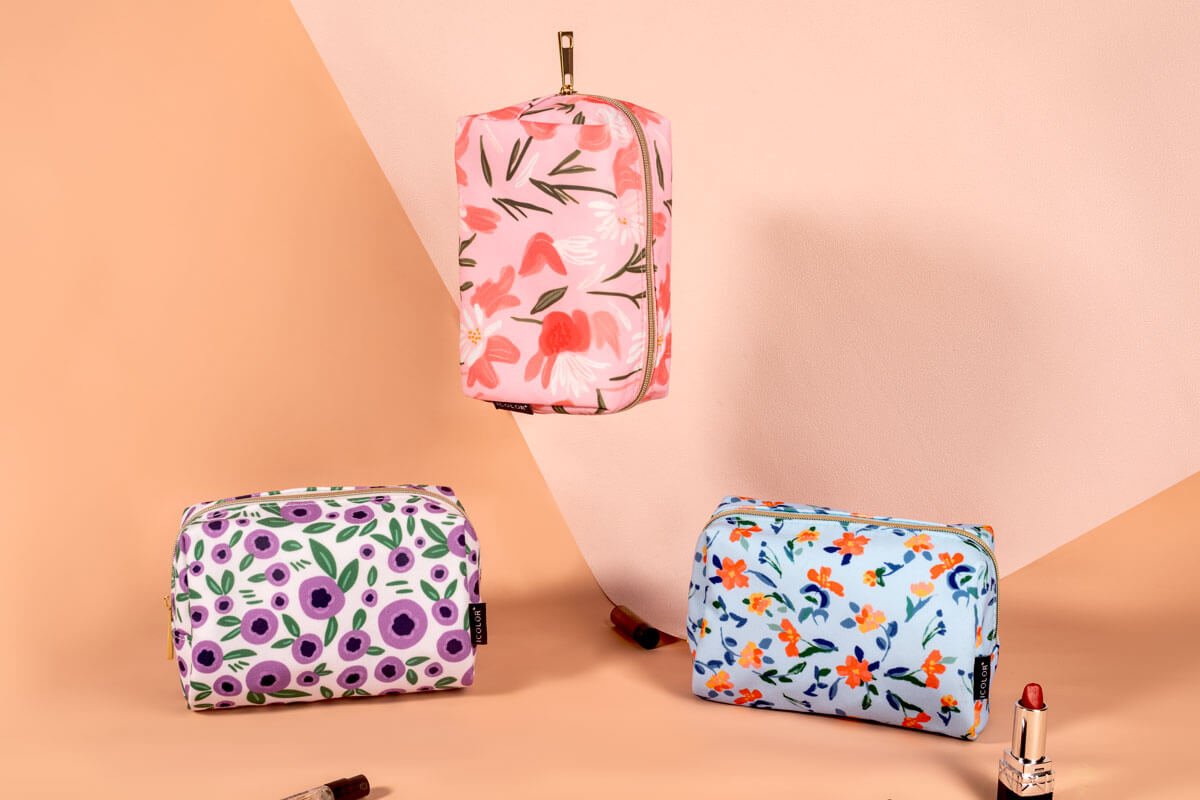
A private label cosmetic bag brief should connect fabric, logo method, hangtag, belly band, paper box, barcode area, sample cost and packing method. Ecoicolor often sees linen-cotton, rPET and velvet requests, with screen printing, woven labels and hot stamping used often. Sewn bag projects should normally start from MOQ 500.
Send a Private Label Bag RFQ Request Fabric and Paper Swatches Review Color and Logo Method
Plan the bag and paper accessories together
A private-label bag can look correct by itself but fail as a retail set if the hangtag, belly band and paper box use different color standards. If rPET fabric is requested, buyers should state whether recycled-material documentation is needed and can reference Textile Exchange GRS information1 when discussing recycled material routes.


Private label packing checklist
Fabric route
Send: Linen-cotton, rPET, velvet or another fabric; include lining and zipper/drawstring needs.
Why: Fabric affects hand feel, color absorption and sample fee.
Logo method
Send: Screen print, woven label, hot stamping or paper accessory print.
Why: The same logo can look different on fabric and paper.
Paper accessories
Send: Hangtag, belly band, paper box, insert card or QR card. Paper routes may need FSC chain-of-custody information2.
Why: A bag-only quote can miss the real campaign packaging cost.
Retail data
Send: Barcode, SKU, care information and label area. Buyers can review GS1 barcode basics3 when barcode planning is needed.
Why: Retail data changes tag size and paper layout.
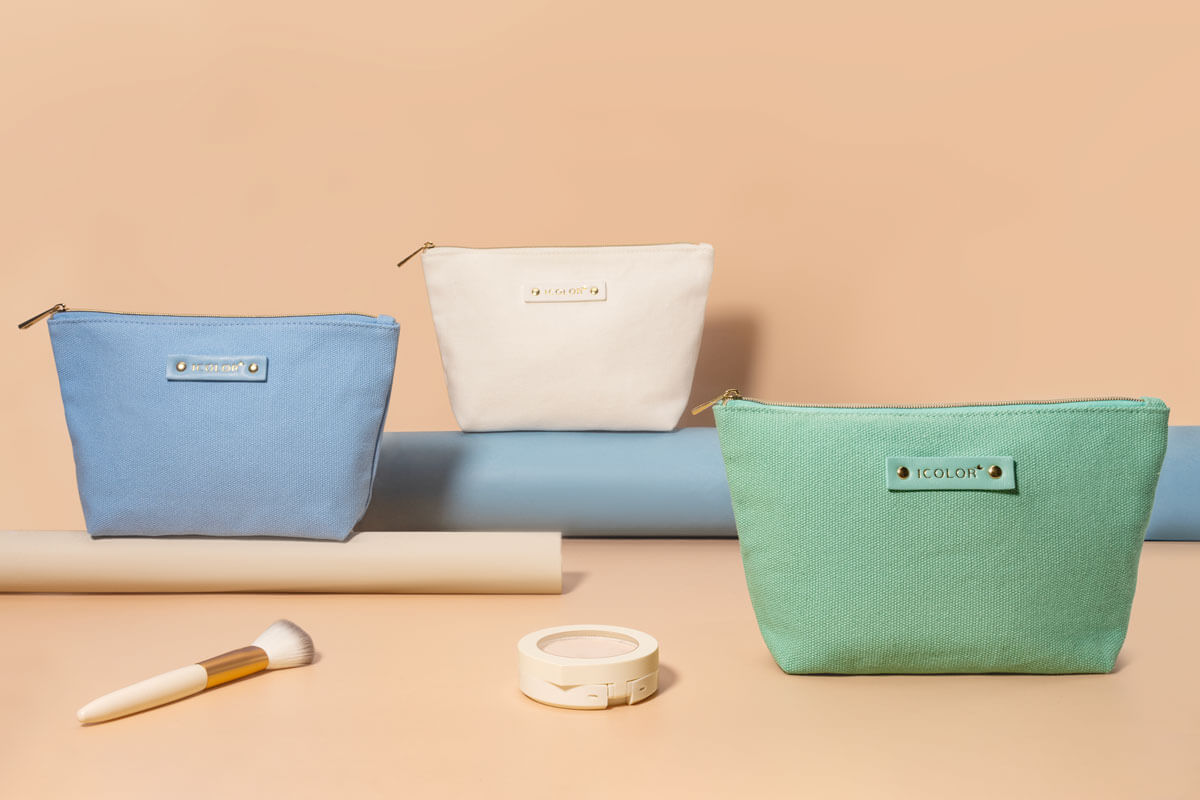

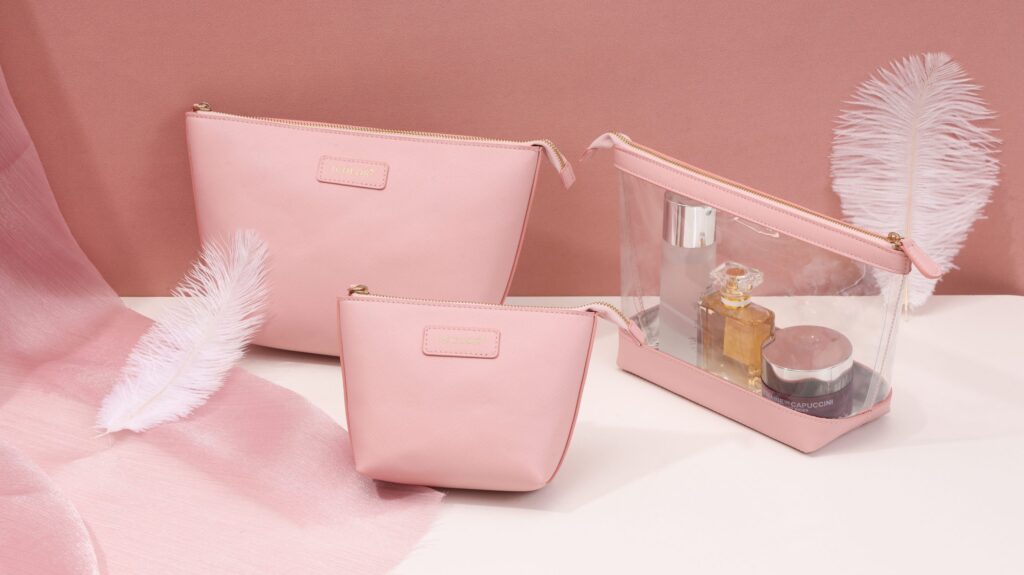
Color and sample approval should cover every surface
The same brand color does not behave the same way on linen-cotton, rPET, velvet, hangtag paper, belly band stock and paper boxes. Color communication can use systems such as Pantone color communication4, but final approval should be based on physical samples. Bulk QC can reference project-specific checkpoints and sampling frameworks such as ISO 2859-1 sampling5.
Best fit
Beauty or skincare brands with MOQ 500+, brand artwork, fabric direction, packing route, target price, launch window and sample-first approval mindset.
Less suitable
Single-piece gifts, no-brand requests, below-MOQ buyers who refuse project review, and lowest-price-only buyers with no packaging detail.
Common quote gap
The buyer asks for the bag price but forgets hangtag, belly band, paper box, insert card or barcode label requirements.
Sample fee and packing details should be clear early
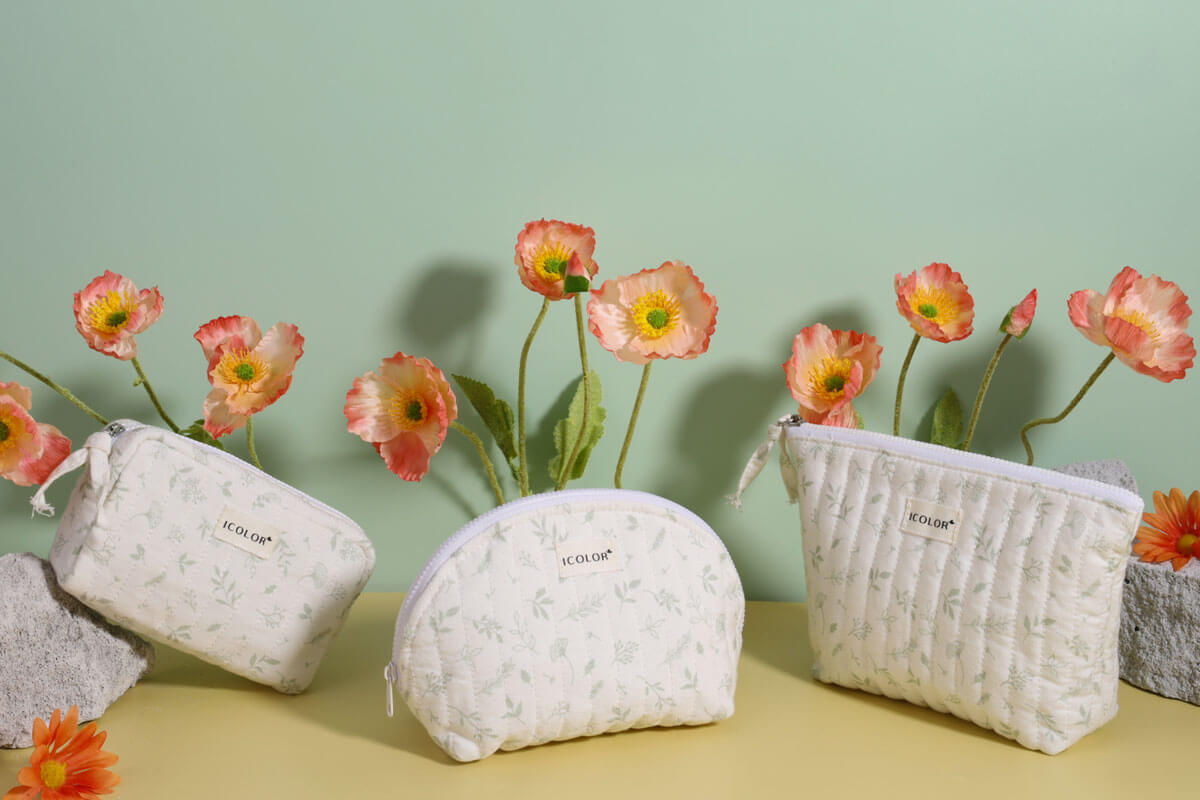
For private label cosmetic bags, sample fee is not one fixed number. It depends on whether the fabric is existing stock or needs dyeing, whether the zipper and puller are available or need customization, whether a woven label requires setup, and whether hot stamping, screen printing, hangtags, belly bands or a matching paper box are included. A buyer who sends all those choices early gets a more realistic sample cost and timeline.
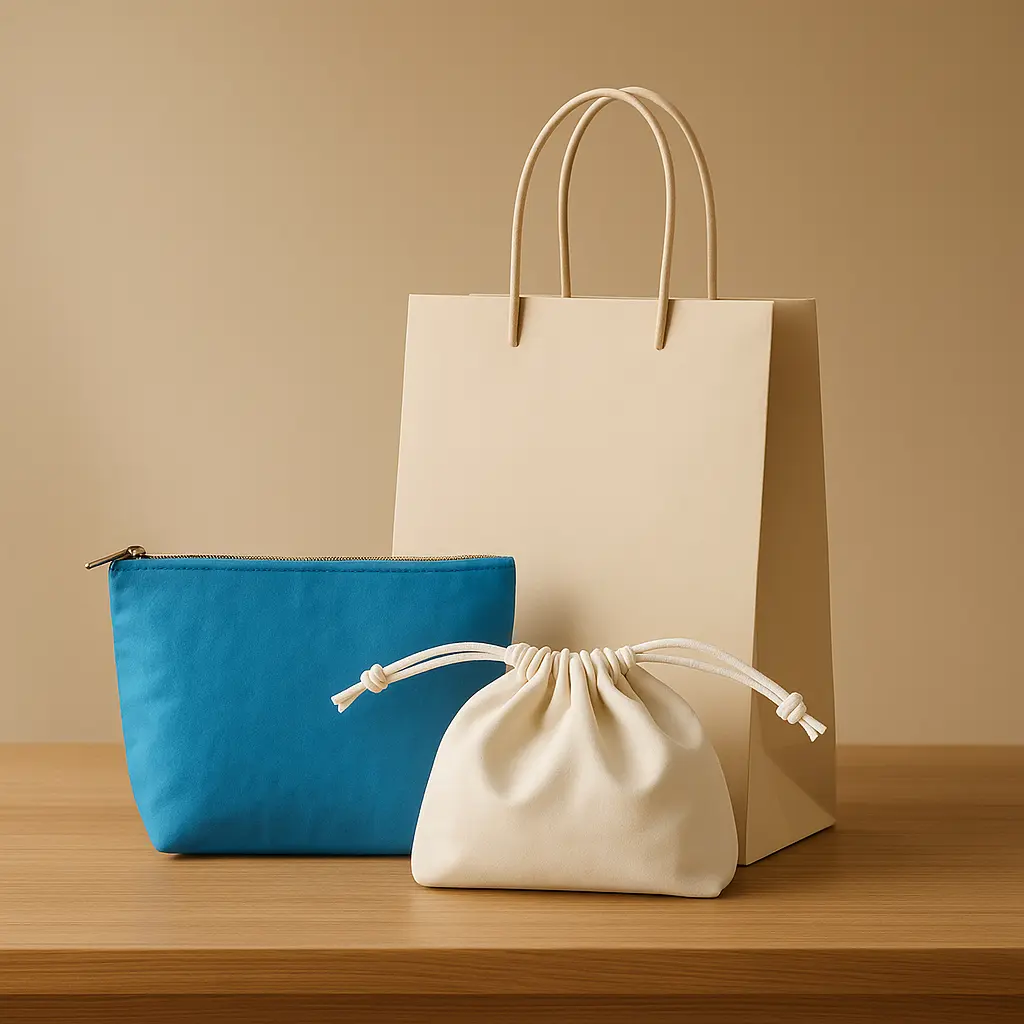
The packaging set should be checked as one system. A cosmetic bag can use a hangtag plus belly band for GWP or retail display; another project may use a hangtag plus paper box for a more formal launch set. In both cases, fabric color and paper color should be reviewed side by side. If the paper accessory looks right but the fabric absorbs color differently, the final set can feel mismatched even when each item was approved separately.
This is also why lowest-unit-price comparison is risky for private-label bags. One quote may include only the sewn bag, while another includes hangtag, belly band, paper box, color proofing and sample setup. A serious RFQ should separate these parts so the buyer can compare the same scope and decide where to simplify without damaging the launch presentation.
For borderline projects, a complete brief is more useful than asking for an exception first.
よくあるご質問
What MOQ should buyers expect for private label cosmetic bags?
Sewn cosmetic bag projects should normally be planned from MOQ 500, depending on fabric, logo method, hardware, packing and sample requirements.
What packing combinations are common?
Common routes include cosmetic bag plus hangtag and belly band, or cosmetic bag plus hangtag and paper box.
Why does color matching need extra care?
The same color can look different on fabric, hangtag paper, belly band paper and paper boxes. Swatches and sample review reduce mismatch risk.
What logo methods should be compared?
Screen printing, woven labels, hot stamping and paper accessory printing should be compared on real sample materials.
Who is not a good fit?
Single-piece personal gifts, no-brand requests, lowest-price-only inquiries and buyers below MOQ who refuse sample-first review are not a good fit.
Sources
- Textile Exchange Global Recycled Standard information for recycled material routes. ↩
- FSC chain-of-custody information for paper document support. ↩
- GS1 US barcode resources for retail packaging planning. ↩
- Pantone Connect resources for color communication and review. ↩
- ISO 2859-1 sampling procedures for inspection by attributes. ↩