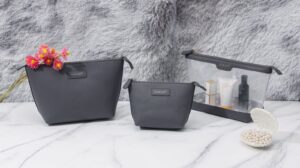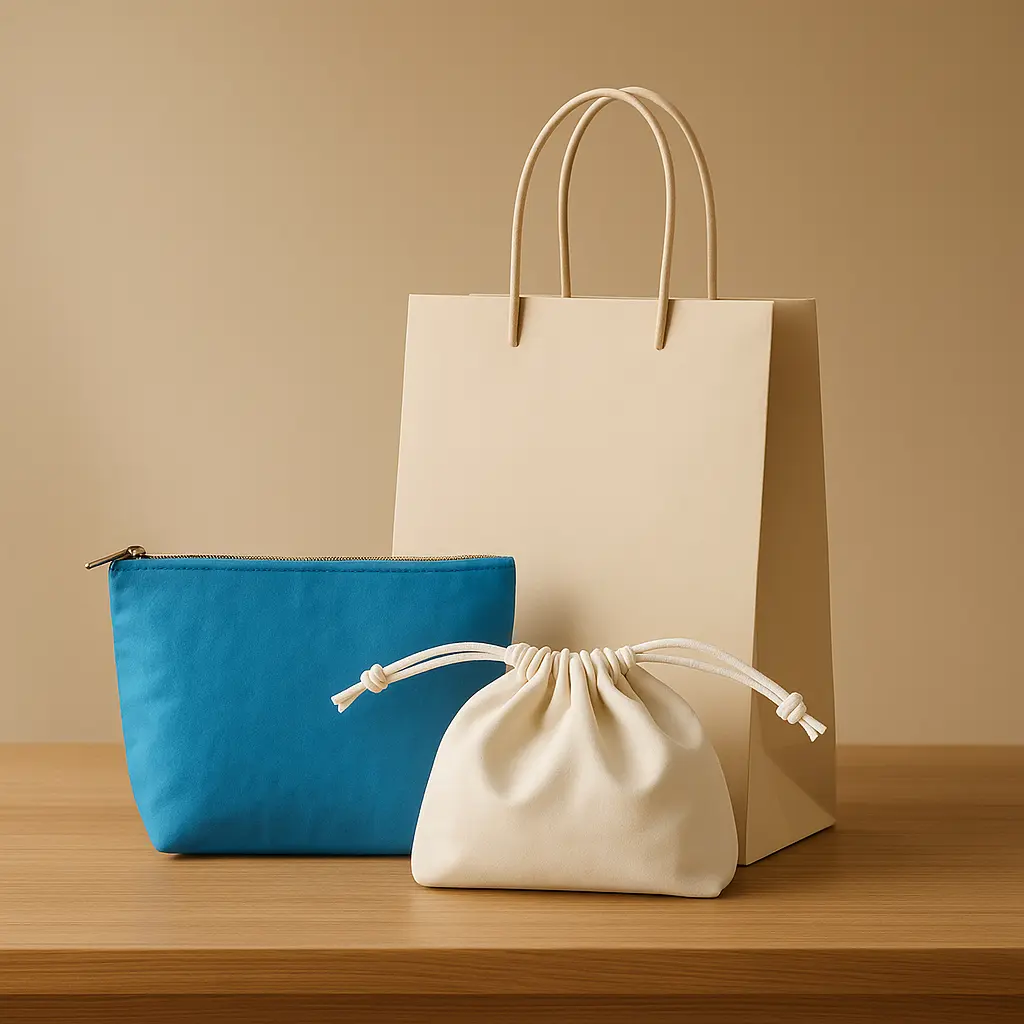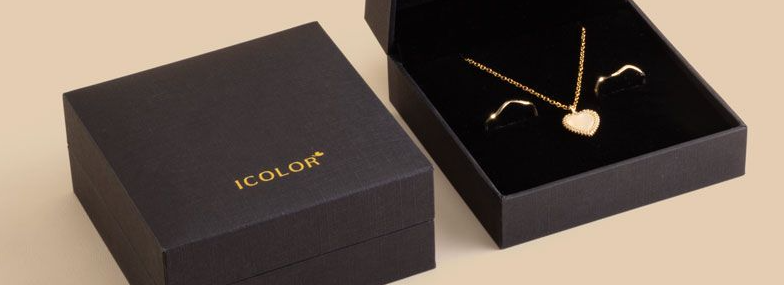
Use this guide to plan custom jewelry box MOQ as a brand procurement decision, not a one-piece gift box search. The useful question is not only “What is the minimum order quantity?” It is whether your jewelry box, pouch, insert, logo method, sample route and packing plan can support a retail launch or wholesale program.
Updated for jewelry brands, beauty-jewelry bundles, gifting programs, retail launches and wholesale buyers sourcing custom jewelry boxes, jewelry pouches, fitted inserts and matched packaging sets.
Send a Jewelry Packaging Brief View Jewelry Packaging
Buyer summary: Jewelry packaging MOQ depends on the full packaging route: box structure, pouch material, insert fit, logo method, color, sample proof, assembly and export packing. A clear RFQ helps suppliers quote a practical retail-ready packaging set instead of treating the request like a single gift box inquiry.
Quick Answer
For custom jewelry boxes, MOQ is shaped by setup work, material availability, insert complexity, logo method and how many components are quoted together. A small jewelry brand can often reduce risk by choosing available materials, a practical box structure, a simple logo route and a clear sample approval path before moving into more custom materials or finishes.
If you are planning a brand packaging set, start from the main category page here: Ecoicolor jewelry packaging.
What to Prepare Before Asking for MOQ
A useful MOQ request should include:
- Jewelry type: ring, necklace, bracelet, earrings, watch, charm, set or mixed SKU.
- Packaging components: jewelry box, pouch, insert, card, gift bag or full set.
- Box structure: lid-and-base, drawer box, magnetic rigid box, folding box or tube.
- Insert route: foam, velvet-lined tray, card slot, elastic loop, pillow or paperboard insert.
- Pouch material: velvet, suede-style, satin, PU, cotton, rPET fabric or open comparison.
- Logo method: hot stamp, screen print, embroidery, woven label, debossing, metal plate or tag.
- Quantity target, sample deadline, launch date, packing method and ship-to country.
Jewelry Box MOQ RFQ Checklist
| RFQ Area | What to Define | Why It Affects MOQ |
|---|---|---|
| Box structure | Rigid box, drawer box, lid-and-base or folding box | Tooling, assembly and material use change by structure. |
| Insert fit | Foam, card, velvet tray, pillow, loop or slot | Inserts often need separate sampling and tolerance checks. |
| Pouch route | Velvet, suede-style, satin, PU or fabric pouch | Pouch materials and logo methods have their own minimums. |
| Logo method | Hot stamp, print, embroidery, label or debossing | Each method has setup and sample requirements. |
| Material color | Available color or custom color target | Available colors are usually easier to quote for smaller runs. |
| Sample proof | Blank sample, logo sample or full packaging set | The sample route affects timing and approval confidence. |
| Packing plan | Inner bag, carton, set packing or export carton | Assembly and packing can change labor and carton planning. |
1. MOQ Starts With the Packaging Set, Not the Box Alone
A jewelry box rarely works alone in a brand launch. The product may need a pouch for storage, an insert for presentation, a card for support and a gift bag for retail handoff. If you ask only for a box MOQ, the quotation may miss the components that make the packaging usable.
Define the set before asking for price:
- Ring box plus velvet insert.
- Necklace box plus card slot and pouch.
- Bracelet drawer box plus pillow insert.
- Earring box plus card insert and pouch.
- Watch-style jewelry box plus tray and outer sleeve.
- Multi-piece set with box, pouch, insert and gift bag.
2. Choose a Practical Box Structure
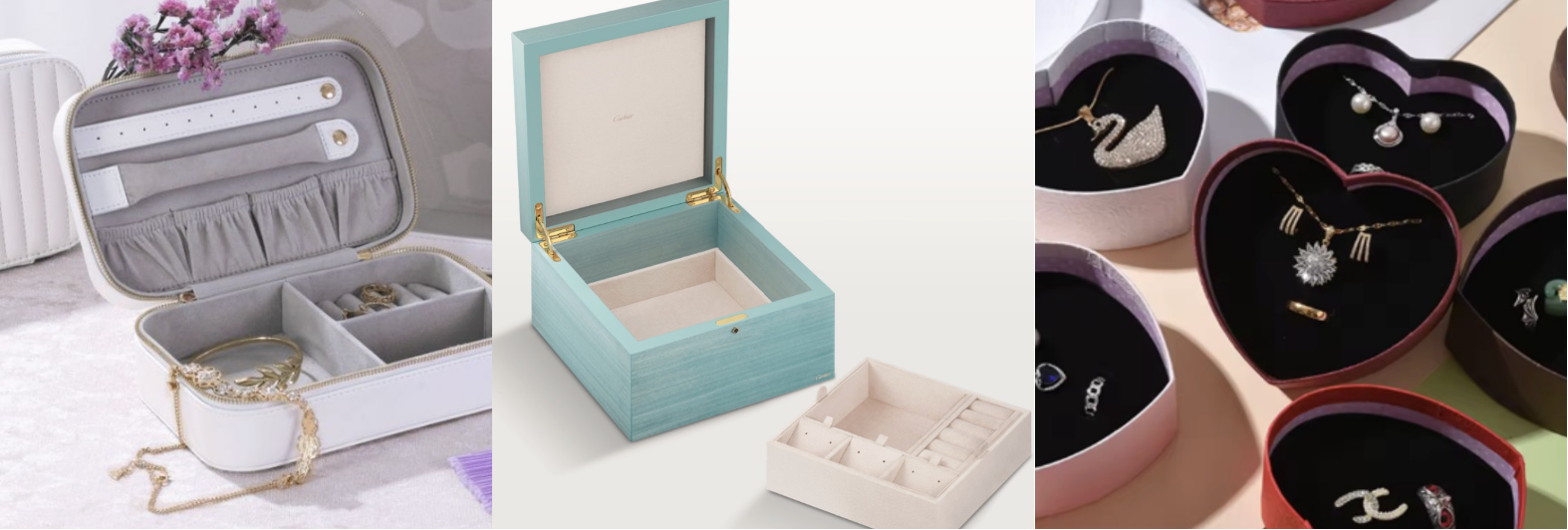
| Box Route | Good Fit | MOQ Notes |
|---|---|---|
| Lid-and-base rigid box | Rings, earrings, necklaces and gift sets | Practical for many jewelry programs and sample reviews. |
| Drawer box | Retail sets, bracelet packaging and unboxing programs | Check pull ribbon, drawer tolerance and insert fit. |
| Magnetic rigid box | Premium gift sets and limited launches | More hardware and assembly can affect MOQ and sample time. |
| Folding paper box | Lightweight jewelry and budget-controlled programs | Useful when storage and freight volume matter. |
| Paper tube | Charms, accessories and selected gift routes | Check diameter, insert stability and label placement. |
For structure options, compare custom rigid boxes. For insert planning, review custom box inserts.
3. How Customization Changes MOQ
Customization can be useful, but each custom decision should earn its place in the launch plan. For smaller brand programs, start with the decisions that customers actually notice: fit, finish, logo clarity, color direction and clean packing.
| Custom Choice | MOQ Impact | Buyer Check |
|---|---|---|
| Available paper or fabric color | Lower complexity | Ask what colors are already practical for sampling. |
| Custom dyed paper or fabric | Higher complexity | Confirm mill minimums and color approval process. |
| One-color logo | Practical route | Check logo size, placement and contrast. |
| Foil stamp or debossing | Medium complexity | Confirm tooling, sample proof and small-letter readability. |
| Metal plate, charm or custom puller | Higher complexity | Confirm separate component MOQ and attachment method. |
| Full matched set | Needs planning | Align box, pouch, insert, card and carton sequence. |
4. Add the Jewelry Pouch and Insert Early
Jewelry packaging buyers often ask for the box first and add the pouch later. That can create color mismatch, fit issues or a second sample round. If the pouch and insert are part of the final customer experience, include them from the first RFQ.
Common combinations include:
- Rigid box plus velvet insert for rings and necklaces.
- Drawer box plus suede-style pouch for retail gift sets.
- Lid-and-base box plus card insert for earrings.
- Pouch-only route for storage, travel or secondary packaging.
- Box plus pouch plus gift bag for wholesale launch programs.
For pouch options, see custom pouches and bags.
Check MOQ and Sample Route Compare Jewelry Pouch Materials
5. Sample Route Before Bulk Approval
MOQ is only useful if the sample route is clear. A supplier should be able to explain what can be checked on a blank sample, what needs a logo sample and what must wait for pre-production confirmation.
Ask for the sample plan to cover:
- Jewelry fit and removal.
- Insert tolerance and product stability.
- Box opening feel and lid clearance.
- Pouch size, cord function and lining.
- Logo size, position and readability.
- Color match between box, pouch and insert.
- Surface marks, dust, glue, edge finish and carton packing.
6. When a Smaller MOQ Path Makes Sense
A smaller first run can work when the design uses available materials, a practical structure, simple logo method and a clear packing route. It is less practical when the project needs custom dyed material, special hardware, complex inserts or multiple matched components with tight color targets.
For emerging jewelry brands, compare two quotation paths:
- Launch-ready route using available materials and a practical logo method.
- Fully custom route with custom color, special finish, matched pouch, insert and gift bag.
This gives your team a real decision instead of a yes-or-no MOQ answer.
7. RFQ Template for Custom Jewelry Box MOQ
Copy this into your supplier brief:
- Jewelry type:
- Product dimensions and weight:
- Packaging components:
- Box structure:
- Insert route:
- Pouch material:
- Logo method:
- Color direction:
- Quantity target:
- Sample deadline:
- Launch or delivery date:
- Ship-to country:
- Packing requirement:
- Documentation need:
- QC focus:
Need MOQ guidance for a jewelry packaging set?
Send Ecoicolor your jewelry type, product size, box route, pouch material, insert idea, logo method, quantity target and sample deadline. We can compare practical MOQ paths before quotation.
FAQ
What affects MOQ for custom jewelry boxes?
MOQ is affected by box structure, material availability, insert complexity, logo method, color route, sample requirements, assembly time and packing method.
Can small jewelry brands order custom jewelry boxes?
Small jewelry brands can often start with available materials, practical structures and simple logo methods. A clear RFQ helps the supplier suggest a route that fits the launch plan.
Should jewelry boxes, pouches and inserts be quoted together?
Yes, when they are part of the same customer experience. Quoting them together helps align color, fit, sample timing, logo placement, packing sequence and carton planning.
What should buyers check before approving a jewelry packaging sample?
Check jewelry fit, insert tolerance, pouch function, box opening feel, logo clarity, color match, surface marks, dust control, edge finish and export packing.
Trademark note: Brand and material names mentioned in this article are used for buyer education and packaging research context. They remain the property of their respective owners.