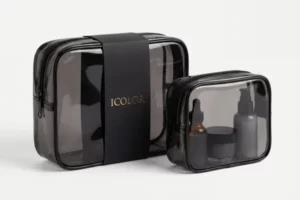
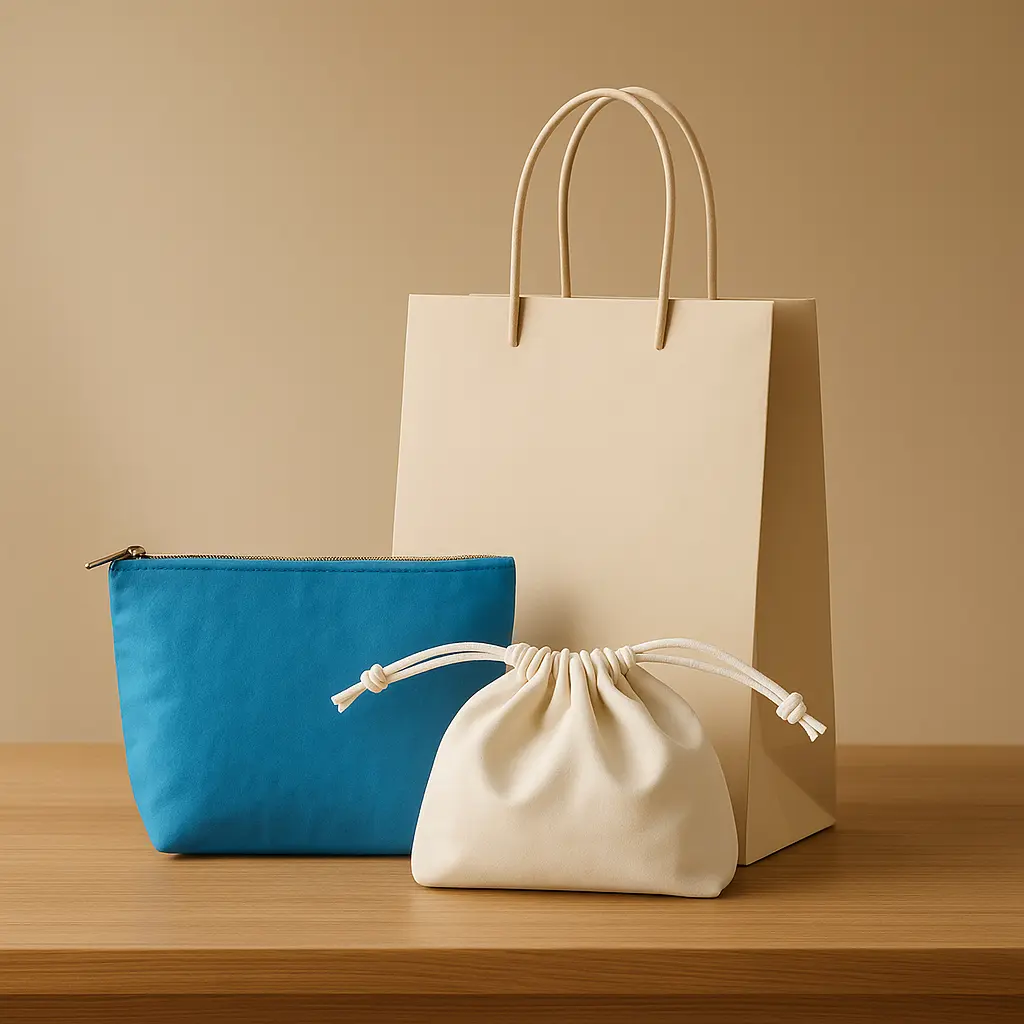
Use this guide to verify eco-friendly wholesale packaging claims as a brand sourcing task: material route, documentation, supplier audit, MOQ, sample approval, QC and launch packing.
Updated for beauty, skincare, fragrance, wellness, jewelry-beauty bundle and retail launch teams sourcing custom boxes, cosmetic bags, inserts, pouches, tubes and one-stop packaging sets.
Send a Claim Review Brief Review beauty packaging options
Buyer summary: Claims such as eco-friendly, recycled-content, FSC paper or responsible sourcing should be checked before artwork approval. A stronger RFQ asks the supplier to connect each claim to the material route, document type, certificate scope, MOQ, sample proof, QC method and packing plan.
Quick Answer
To verify eco-friendly wholesale packaging claims, buyers should ask for claim wording, material specification, certificate scope, order-level documents where applicable, supplier audit records, physical samples and QC checkpoints. The claim should match the exact box, bag, insert, pouch, paper tube or packaging set being quoted.
Ecoicolor can support claim-safe sourcing for boxes, bags, inserts, pouches, paper tubes and multi-component launch kits. For the main sourcing route, see Ecoicolor’s beauty packaging options.
What to Prepare Before Asking Suppliers
A useful wholesale packaging claim review should include:
- Product type: skincare, fragrance, cosmetics, wellness, jewelry-beauty bundle or gift set.
- Packaging components: rigid box, folding carton, paper tube, pouch, cosmetic bag, insert, sleeve, card, ribbon or tissue.
- Claim wording under consideration: the exact wording planned for pack, website, retail sheet or sales deck.
- Material route: FSC paper, GRS rPET fabric, recycled-content board, cotton canvas, PU, molded paper or open comparison.
- Documentation need: certificate, scope document, transaction support, material declaration or audit summary.
- Quantity target, sample deadline, bulk delivery target, ship-to country and inspection focus.
Wholesale Packaging Claim Verification Checklist
| RFQ Area | What to Ask | Why It Matters |
|---|---|---|
| Claim wording | What exact wording will appear on pack or sales material? | The supplier can only review a claim if the wording is clear. |
| Material route | Which material supports the claim? | Claims should match the actual material used in the quoted packaging. |
| Certificate scope | Which company, material and process are covered? | A certificate may not cover the final packaging item. |
| Order documents | What documents can be supplied for this project? | Some claims need order-level support, not only a general certificate. |
| Supplier audit | What factory or social compliance records are available? | Brand buyers may need supplier review before approval. |
| Sample proof | Can the sample be reviewed with documents together? | Physical samples and documents should align before bulk production. |
| QC method | What is checked before export packing? | QC should confirm material, color, logo, fit, finish and document match. |
1. Start With the Claim, Not the Material
Many sourcing projects begin with a broad material request. For brand teams, the better starting point is the claim itself. If the marketing team wants to say “FSC paper”, “GRS rPET fabric”, “recycled-content paperboard” or “reusable pouch”, the supplier should know that before quotation.
Ask the supplier to confirm:
- Which part of the packaging supports the claim.
- Whether the claim applies to the full set or only one component.
- Which document supports the claim.
- Whether the certificate scope covers the material and process.
- Whether order-level support is available.
- Whether artwork wording should be adjusted before print.
- Which QC points should be tied to the claim.
2. Match Common Claims to Evidence
| Claim Direction | Evidence to Request | Buyer Notes |
|---|---|---|
| FSC paper route | FSC document scope and paper specification | Check whether the supplier and material route are covered. |
| GRS rPET fabric route | Scope certificate and order support where applicable | Confirm fabric type, color route and documentation timing. |
| Recycled-content paper route | Material declaration and percentage wording support | Avoid broad wording if the document only supports one component. |
| Reduced plastic route | Component list and before/after structure comparison | Confirm which plastic parts were removed or replaced. |
| Reusable pouch route | Sample durability, zipper, seam and customer use case | Reuse claims should match practical product handling. |
| Responsible factory route | Audit summary, supplier profile or compliance record | Useful for retailer onboarding and brand supplier review. |
For recycled-content textile planning, review Ecoicolor’s GRS and rPET packaging guide.
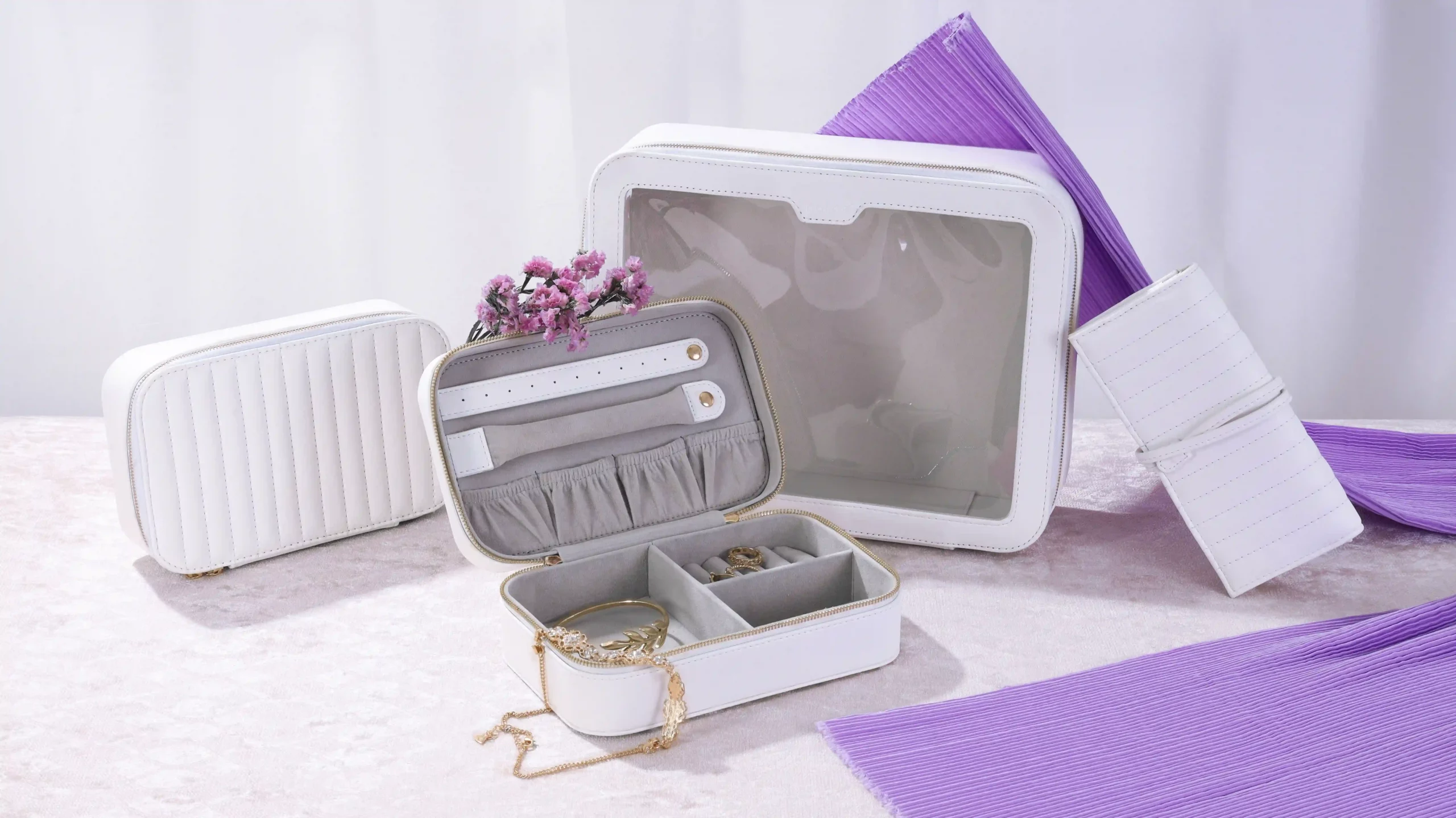
3. Check Certificate Scope Before Sampling
A certificate is useful only when it matches the actual sourcing route. A paper mill certificate, fabric mill certificate or supplier profile may be part of the review, but it may not prove the finished packaging claim by itself.
Before sampling, ask:
- Which legal entity is named on the document?
- Which material category is covered?
- Which process is covered: paper supply, printing, sewing, box assembly or final packing?
- What date is the document valid through?
- Can the document be shared with retailers or kept only for internal review?
- Does the project need transaction support or a material declaration?
For paper and box structure planning, review custom rigid boxes.
4. Review the Supplier, Not Only the Material
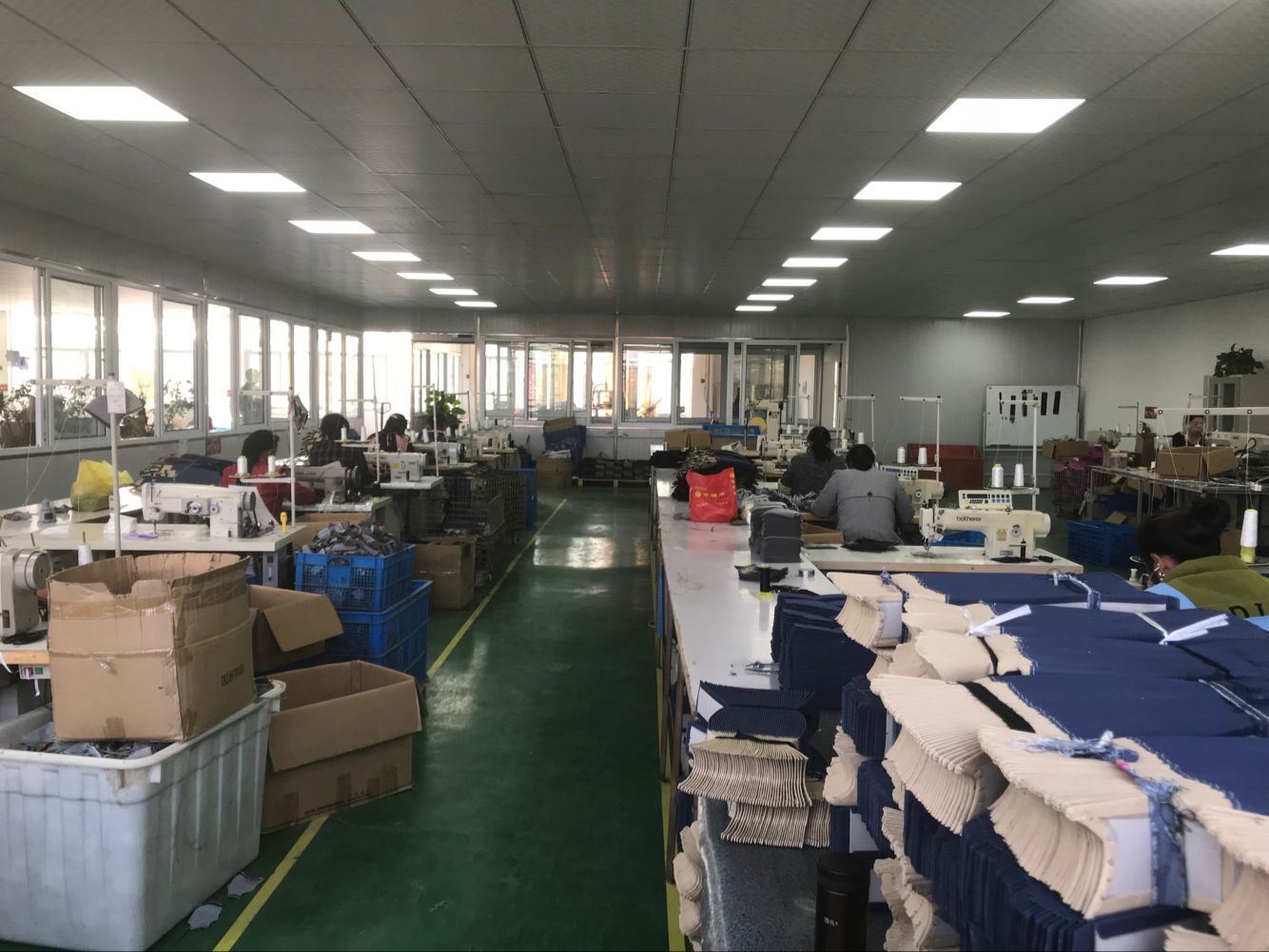
Wholesale packaging verification should include the supplier’s operating route. A brand may need to know who handles box assembly, sewing, printing, insert cutting, packing and export documentation.
Ask the supplier to provide:
- Factory profile and main production categories.
- Quality control process.
- Social compliance or audit records where available.
- Material sourcing explanation.
- Sample approval process.
- Packing and export support.
- Contact person responsible for documentation.
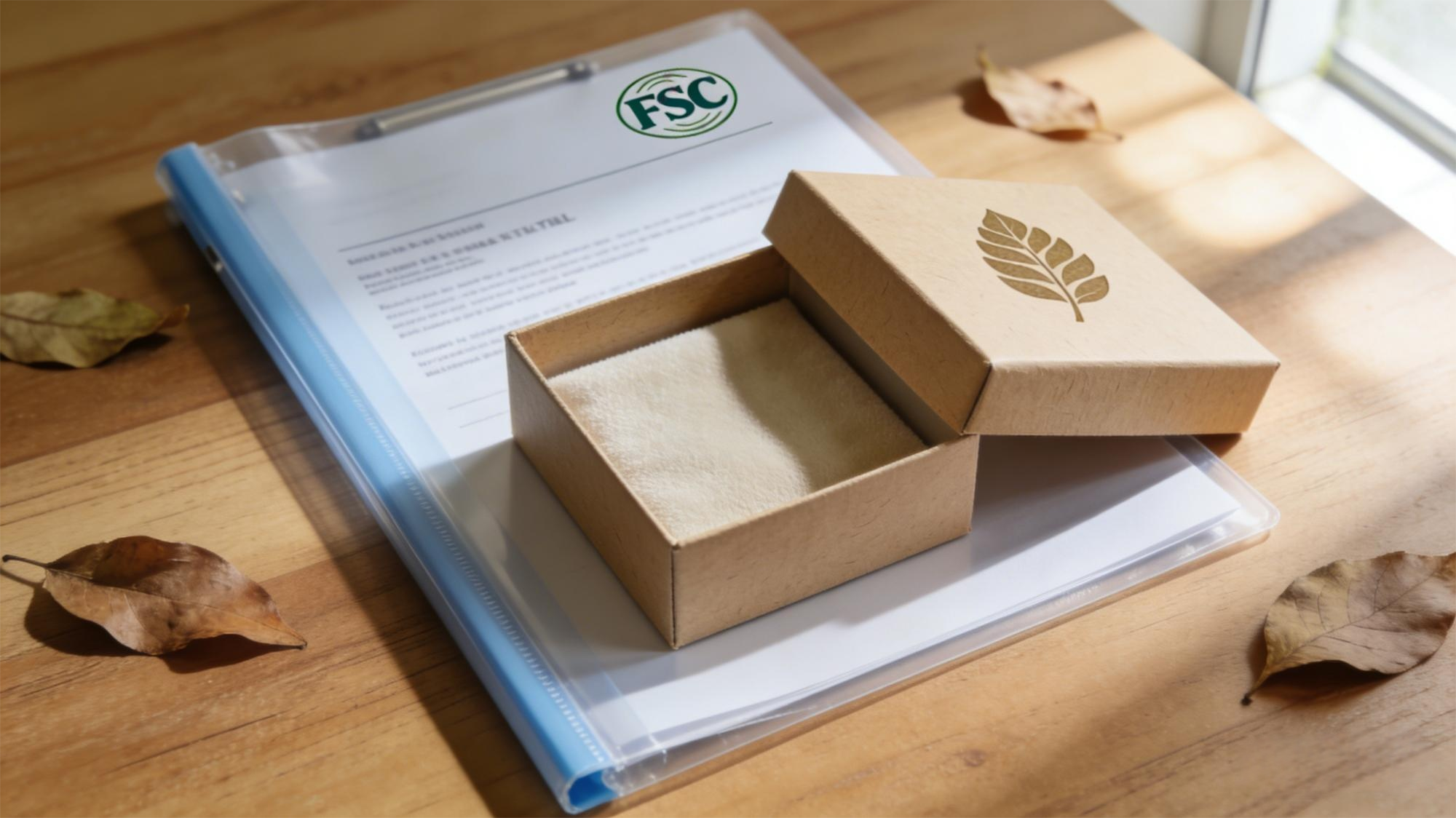
5. Connect MOQ, Samples and Documentation
MOQ can change when the project requires a specific material, custom color, certificate-supported route, custom insert, special logo method or multi-component packing. Ask the supplier to separate available routes from fully custom routes.
Ask for three quotation paths:
- Available material plus standard structure and basic document review.
- Available material plus selected logo, insert and claim support.
- Final custom route with documentation, sample approval, QC and export packing.
Check MOQ and Sample Route Review Material Certification Guide
6. Build Claim Checks Into QC
Claim verification should not stop after a sample is approved. The approved material, logo, color, insert and packing route should become part of the QC checklist.
QC should check:
- Material matches the approved swatch.
- Color and texture match the approved sample.
- Logo size and placement match the artwork.
- Box, bag, pouch or insert fits the real product.
- Zipper, closure, handle or puller works correctly.
- Packing protects surfaces and shape.
- Document list matches the quoted route.
- Claim wording still matches the final materials.
7. RFQ Template for Claim Verification
Copy this into your supplier brief:
- Product type:
- Packaging components:
- Product dimensions and filled weight:
- Claim wording under consideration:
- Material route:
- Documentation requirement:
- Supplier audit requirement:
- Logo method and artwork:
- Quantity target:
- Sample deadline:
- Bulk delivery target:
- Ship-to country:
- Packing requirement:
- QC focus:
8. Packaging and Shipping Review
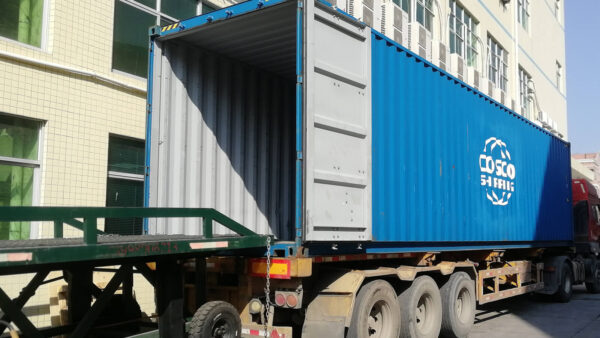
For a wholesale project, the final packing method should match the brand’s documentation plan. The supplier should explain how bulk cartons, inner bags, tissue, dividers, protective paper, labels and carton marks will be handled.
Ask whether:
- Individual packaging needs surface protection.
- Cartons need special labels or document copies.
- Components are packed separately or assembled as sets.
- The packing route avoids unnecessary material complexity.
- QC photos can be shared before shipment.
- Export carton dimensions and gross weight can be confirmed early.
Need help checking packaging claims before sampling?
Send Ecoicolor your product format, packaging components, claim wording, material direction, documentation needs, quantity and launch date. We can compare box, insert, pouch and one-stop packaging routes before quotation.
Request Material Swatches Compare Cosmetic Bag Manufacturing
FAQ
What should buyers ask when verifying eco-friendly wholesale packaging claims?
Ask for the exact claim wording, material route, certificate scope, available order documents, supplier audit records, sample proof, QC checklist and export packing plan.
Is a supplier certificate enough to support a packaging claim?
Not always. A certificate should be checked against the supplier name, material, process, date and project scope. Some claims also need order-level support or a material declaration.
When should claim verification happen?
Claim verification should happen before artwork approval and before bulk production. It is easier to adjust wording, material route or document requirements during RFQ and sample review.
What should be checked before approving bulk wholesale packaging?
Check material swatches, document list, product fit, logo method, color, finish, closure function, packing method, QC photos and export carton details before approval.
Trademark note: Brand and material names mentioned in this article are used for buyer education and packaging research context. They remain the property of their respective owners.