
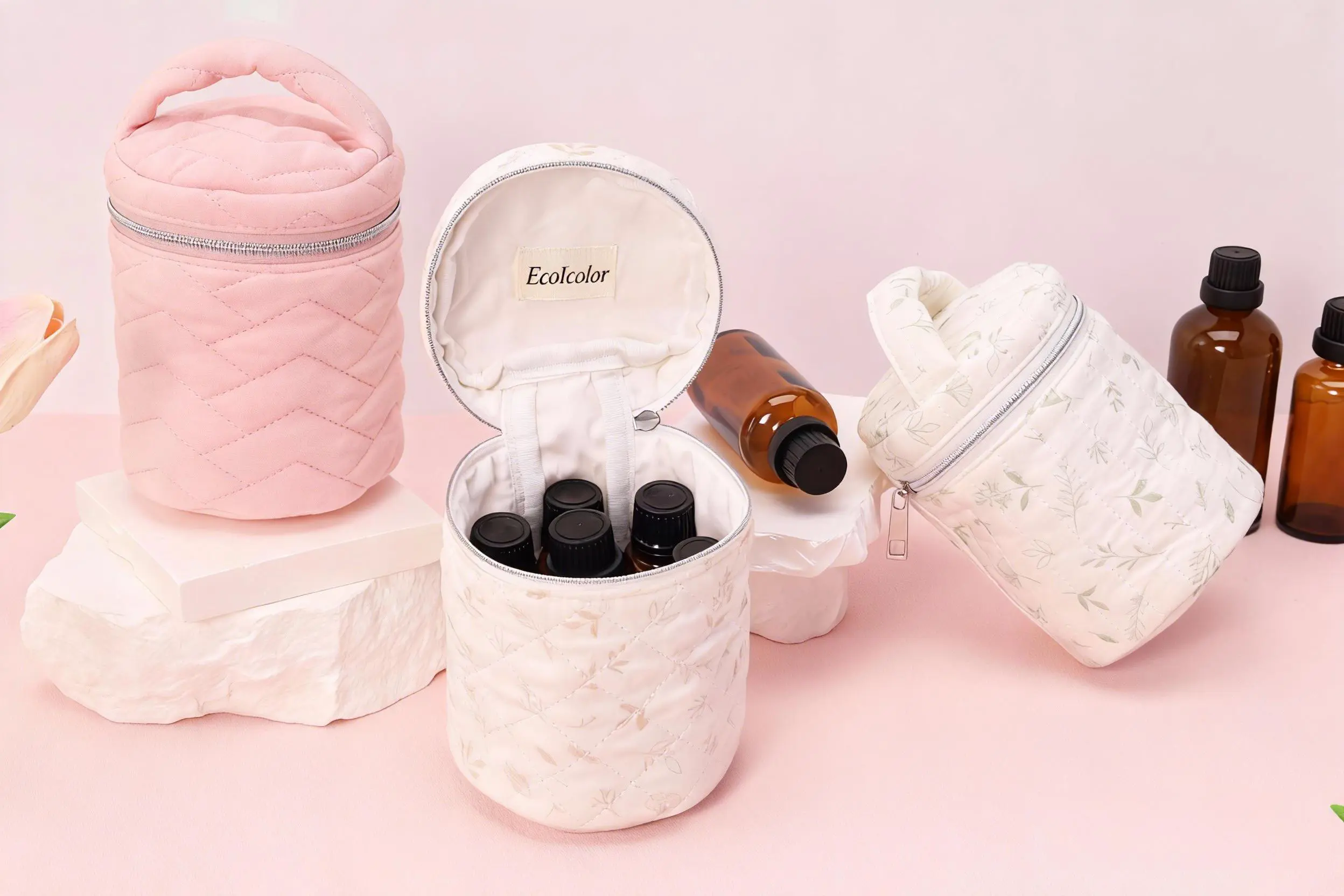
Use this guide when the buyer task is natural texture: paper feel, fabric route, finish approval, color consistency and document scope for fragrance or essential oil packaging. Start with bottle-fit data, cap clearance and sample requirements before choosing kraft paper, textured wrap, fabric pouch or understated logo finish.
For a complete fragrance packaging system that coordinates bottle, outer package, insert, tube, pouch, cards and launch-kit planning, review the full fragrance packaging route on Ecoicolor’s fragrance packaging system page.
Send a Packaging Brief Review the Full Fragrance Packaging Route
Buyer summary: A fragrance packaging RFQ should start with real bottle data: bottle size, filled weight, cap height, shoulder shape, label position, fragility, insert route, box or tube structure, material direction, logo finish, MOQ, sample deadline and final packing method. This keeps the project focused on launch readiness instead of broad trend language.
Quick Answer
For fragrance and essential oil brands, packaging should be quoted around the bottle first. The key decisions are bottle protection, cap-fit, insert tolerance, outer structure, material route, logo finish and packing method. A textured paper tube, rigid box, drawstring pouch or travel case can all work, but only when the supplier checks the bottle dimensions, cap clearance and product removal method before sampling.
For Ecoicolor’s perfume case route, see custom perfume cases. For essential oil case sourcing, see essential oil cases.
What to Prepare Before Requesting Quotes
A useful fragrance packaging RFQ should include:
- Product type: perfume bottle, essential oil bottle, rollerball, dropper bottle, vial, discovery set, refill bottle or candle.
- Bottle dimensions: height, diameter, shoulder width, cap height, cap diameter and filled weight.
- Bottle surface: glass, coated glass, label, spray pump, dropper, rollerball, cap sleeve or outer wrap.
- Packaging components: paper tube, rigid box, pouch, bag, insert, sleeve, card, label and outer carton.
- Insert route: paperboard, molded paper, EVA, fabric lining, bottle holder, divider or open comparison.
- Material route: textured paper, specialty paper, bamboo fiber paper, cotton pouch, linen pouch, PU route, velvet or satin.
- Logo method: foil, emboss, deboss, screen print, woven label, metal plate or hangtag.
- Quantity by component, sample deadline, bulk delivery target and ship-to country.
Fragrance Packaging RFQ Checklist
| RFQ Area | What to Confirm | Why It Matters |
|---|---|---|
| Bottle fit | Height, diameter, cap, shoulder and filled weight | Insert tolerance and box size depend on real bottle data. |
| Cap clearance | Cap height, spray head, dropper or rollerball detail | A cap can hit the lid if fit is not checked early. |
| Outer structure | Paper tube, rigid box, pouch, case or gift set | Structure controls MOQ, sample time and packing route. |
| Insert route | Paperboard, molded paper, EVA, lining or holder | Inserts protect glass and control first-view presentation. |
| Material route | Textured paper, bamboo fiber paper, cotton, linen, PU route or velvet | Surface affects logo, color and document support. |
| Sample checks | Fit, removal, closure, logo, color, surface and carton | Approved samples become the QC reference. |
| Packing plan | Set packing, inner carton, master carton and warehouse labels | Fragrance bottles need packing that limits movement. |
1. Start With Bottle Data
Fragrance packaging sourcing should begin with measurements, not a mood board. Glass bottles, rollerballs and essential oil droppers have small details that change the packaging route.
Ask the supplier to review:
- Bottle height including cap.
- Diameter or width at the widest point.
- Shoulder shape and bottom shape.
- Filled weight.
- Label or decoration area that must not be scratched.
- Pump, dropper, rollerball or cap protection.
- Whether the product should sit upright, flat or angled.
If the bottle is still in development, send a technical drawing and target filled weight so the packaging route can be estimated before final bottle arrival.
2. Choose the Outer Structure
| Structure | Best Fit | Buyer Checks |
|---|---|---|
| Paper tube | Essential oils, candles, cylindrical bottles and discovery sets | Diameter, cap clearance, inner support, label area and carton protection. |
| Rigid box | Perfume bottles, premium gift sets and retail launches | Board thickness, insert route, closure feel, finish and packing direction. |
| Drawer box | Discovery sets, rollerballs and multi-vial kits | Pull resistance, tray tolerance, insert height and sleeve friction. |
| Magnetic box | Hero fragrance launches and gift sets | Magnet strength, insert protection, opening feel and carton packing. |
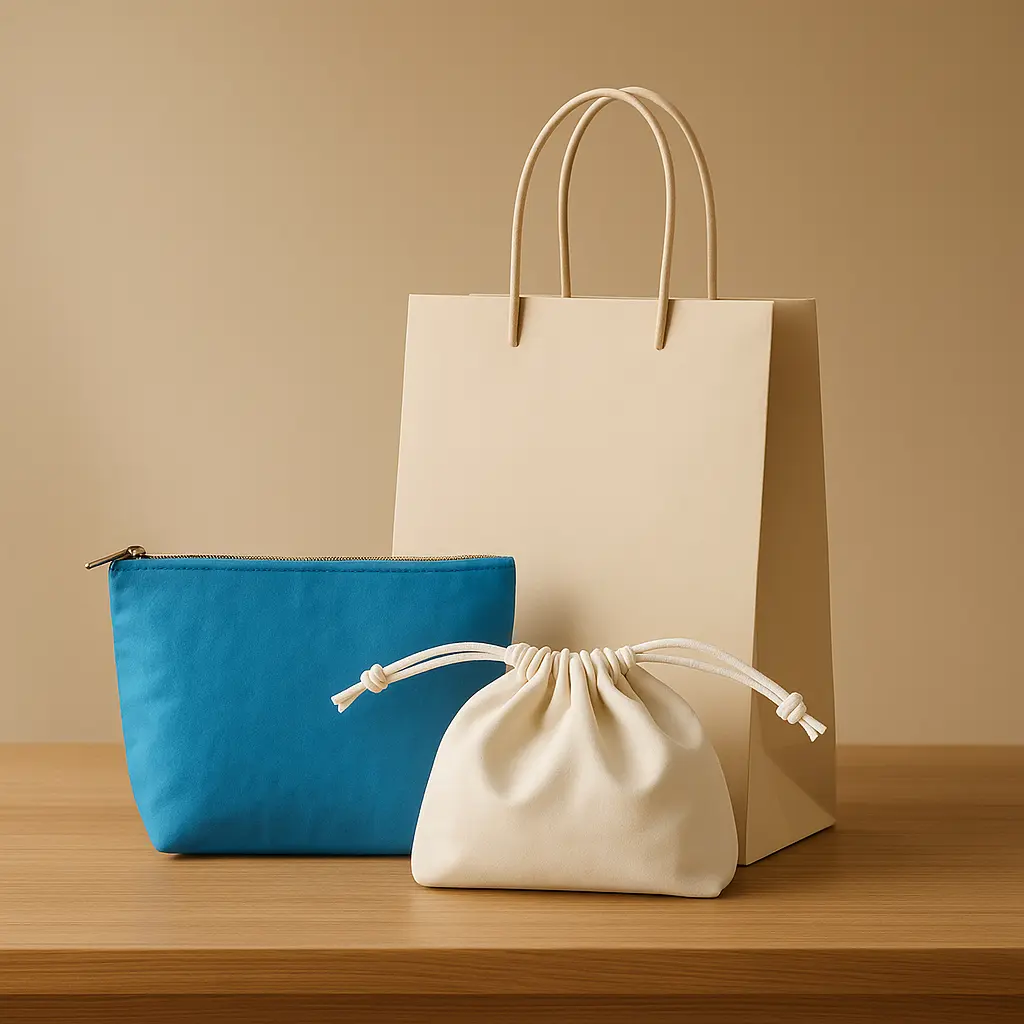
| Drawstring pouch | Vials, travel bottles, mini sets and secondary protection | Fabric, drawstring, label, lining and bottle movement. |
| Travel case | Essential oil sets and refill systems | Compartment size, zipper, lining, handle and bottle spacing. |
For paper tube options, review paper tube packaging. For rigid box routes, review custom rigid boxes manufacturer.
3. Confirm Cap-Fit Before Artwork
Cap-fit is one of the most common hidden risks in fragrance packaging. The bottle can fit the insert while the cap still touches the lid, sleeve or tube cap.
Check:
- Cap height and cap diameter.
- Pump or dropper clearance.
- Whether the cap should be visible or covered.
- Whether the insert holds the neck, shoulder or base.
- Whether the bottle can rotate inside the structure.
- Whether the customer can remove the bottle without pulling the cap.
Do this before final artwork because changes in insert height can change the outer box dimension and logo placement.
Check MOQ and Sample Route View Magnetic Closure Boxes
4. Plan the Insert Route
The insert decides how the bottle is protected, displayed and removed. Common insert routes include:
- Paperboard insert for lightweight sets and paper-focused projects.
- Molded paper route for bottle holders and selected gift sets.
- EVA insert for stronger support and clean bottle cavities.
- Wrapped greyboard insert for premium rigid boxes.
- Fabric-lined insert for high-touch gift presentation.
- Divider route for multi-bottle essential oil sets.
Ask for insert photos, material thickness and a product-fit sample before approving bulk production.
5. Match Natural Texture With Production Controls
Natural texture can support a fragrance brand story, but it should be controlled through sourcing details.
| Material Direction | Best Use | Buyer Checks |
|---|---|---|
| Textured paper | Paper tubes, sleeves and rigid box wrap | Paper weight, print result, foil result and color lot. |
| Bamboo fiber paper | Premium box wrap and fragrance gift sets | Surface consistency, logo method and document support. |
| Cotton or linen pouch | Discovery sets, essential oils and secondary protection | Fabric weight, drawstring, seam, logo and color tolerance. |
| Velvet or satin | Inner lining, pouch or limited launch set | Dust, pile direction, color and packing protection. |
| PU route | Travel cases and structured essential oil cases | Surface grain, deboss result, odor review and lining. |
For material comparison, see sustainable materials for custom packaging.

6. Align MOQ by Component
A fragrance launch may include a paper tube, rigid box, pouch, insert, sleeve and card. These components can follow different setup logic.
Ask for a quote table with:
- MOQ by component.
- Unit price by quantity tier.
- Tooling, screen, plate or mold cost.
- Sample fee by component.
- Sample lead time and bulk lead time.
- Whether set packing is available.
- Carton size and estimated packing quantity.
This helps the team compare a single-bottle launch, discovery set and gift set route without mixing costs.
7. Approve Samples With Fragrance-Specific QC
For fragrance and essential oil packaging, sample approval should include:
- Bottle fit and cap clearance.
- Insert grip and bottle removal.
- Closure, lid, tube cap or drawer movement.
- Logo position, foil, print, emboss or deboss result.
- Surface color, texture and glue marks.
- Product movement after packing.
- Carton protection and packing direction.
- Label or bottle surface scratch risk.
Keep photos and notes from the approved sample. They should become the reference for bulk inspection.
8. RFQ Template for Fragrance and Essential Oil Packaging
Copy this structure into your supplier email:
| Field | Buyer Input |
|---|---|
| Product type | Perfume bottle, oil bottle, rollerball, vial, candle or discovery set |
| Bottle data | Height, diameter, cap, shoulder, filled weight and fragility |
| Packaging components | Paper tube, rigid box, pouch, insert, sleeve, card and carton |
| Material route | Textured paper, bamboo fiber paper, cotton, linen, velvet, PU route or open comparison |
| Insert route | Paperboard, molded paper, EVA, fabric lining, divider or custom holder |
| Logo route | Foil, emboss, deboss, print, woven label, metal plate or hangtag |
| Quantity | Quantity by component and target total sets |
| Sample deadline | First sample date and approval sample date |
| Delivery target | Ship-to country, warehouse date and packing requirement |
When to Use a Combined Supplier Route
A combined supplier route is useful when:
- The launch includes both paper packaging and sewn pouches.
- A bottle needs a custom insert plus an outer box.
- A discovery set needs several vial cavities.
- A fragrance gift set needs a rigid box, pouch and sleeve.
- Logo finish must match across paper, fabric and inserts.
- The brand wants one sample approval tracker for all packaging components.
Ecoicolor can coordinate fragrance pouches, essential oil cases, rigid boxes, paper tubes and set packing through the same RFQ workflow.
Ready to quote fragrance packaging around the real bottle?
Send Ecoicolor your bottle dimensions, cap details, product weight, component list, material direction, logo files, quantity by item and launch window. We will review the insert, tube, box, pouch, sample and QC route needed for a useful quotation.
FAQ
What should a fragrance packaging RFQ include?
Include bottle dimensions, cap details, filled weight, packaging components, insert route, material direction, logo method, quantity by item, sample deadline, delivery target and final packing method.
Why is cap-fit important for perfume and essential oil packaging?
Cap-fit affects the box height, tube diameter, insert design and product removal method. A bottle can fit the insert while the cap still touches the lid or tube cap if clearance is not checked early.
Are paper tubes suitable for essential oil packaging?
Paper tubes can work well for essential oil bottles when the diameter, cap clearance, inner support, label area and carton protection are confirmed before sampling.
Can one supplier handle pouches, inserts and rigid boxes together?
Yes, when the supplier can coordinate sewn packaging, paper packaging, insert development, sample comments and QC records through one launch tracker.




2 comments
certified organic essential oils from Pakistan
Great items from you, man. I’ve consider your stuff previous
to and you are just too wonderful. I really like what
you’ve received here, certainly like what you are stating
and the way by which you are saying it. You make
it enjoyable and you continue to take care of to keep
it smart. I cant wait to read much more from you.
That is really a tremendous site.
Joyce Zhang
Thank you! We’re happy you found the insights helpful. Stay tuned for more updates on luxury packaging trends.
Comments are closed.