Plan accessories around the finished gift set
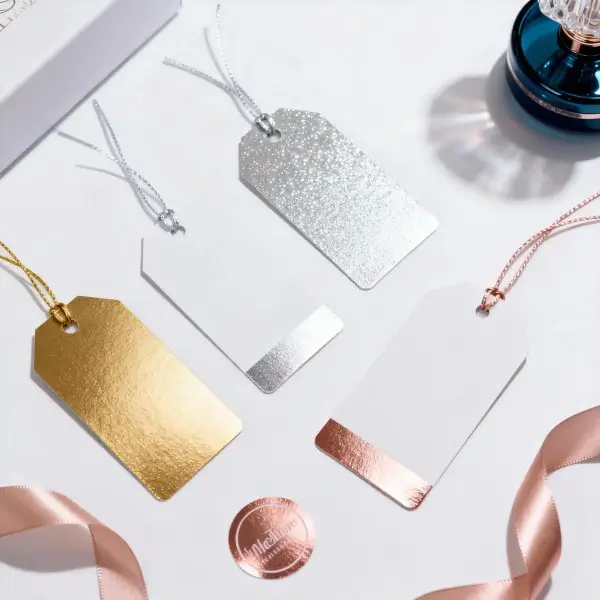
A beauty gift set accessory list should start from the pack-out. A hangtag may attach to a cosmetic bag, a belly band may wrap a pouch or paper box, an insert card may sit inside a rigid box, and a sticker may close tissue paper or identify a SKU. Each accessory changes packing sequence and visual consistency.
If the gift set enters retail, barcode and label placement should be planned early. The buyer should not leave barcode or QR-card decisions until after artwork approval; GS1 barcode planning1 can support barcode planning, but the actual label position still needs a sample pack-out.
Accessory planning also protects brand consistency. A ribbon, tissue paper, hangtag and belly band may use the same brand color, but paper, satin ribbon and sticker stock can show that color differently. Use physical proofing and compare components together; Pantone color communication2 can support communication but not replace real samples.
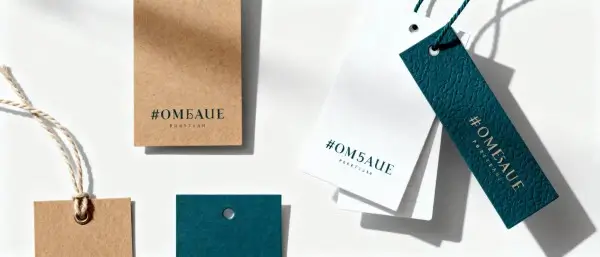
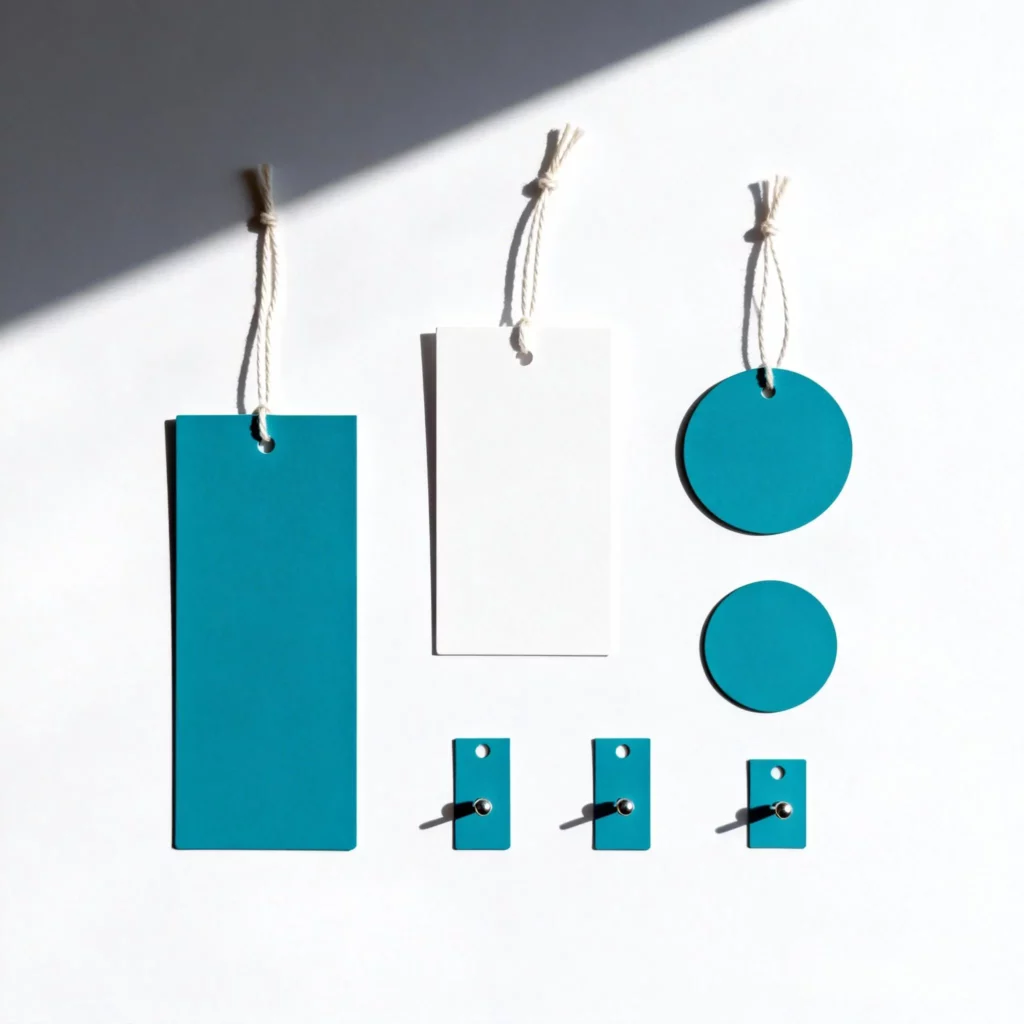
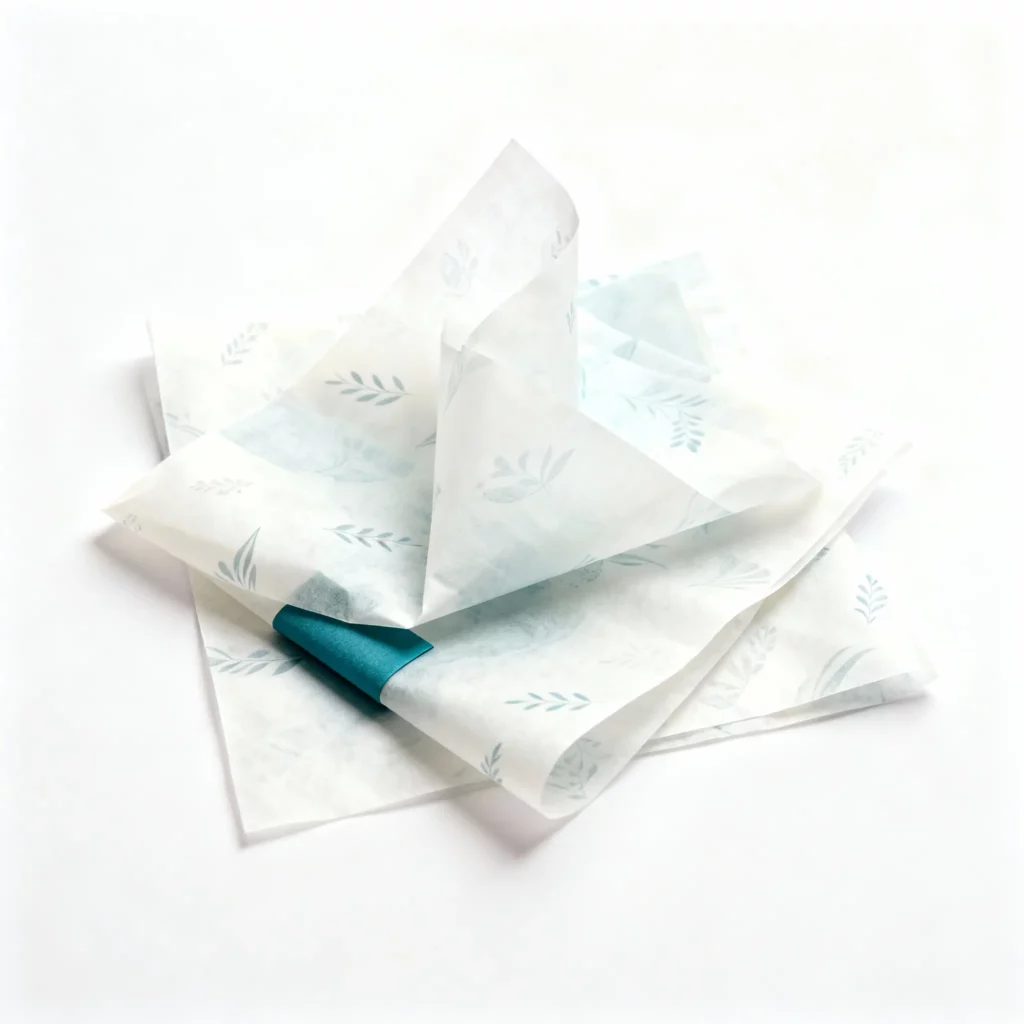
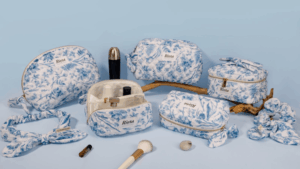
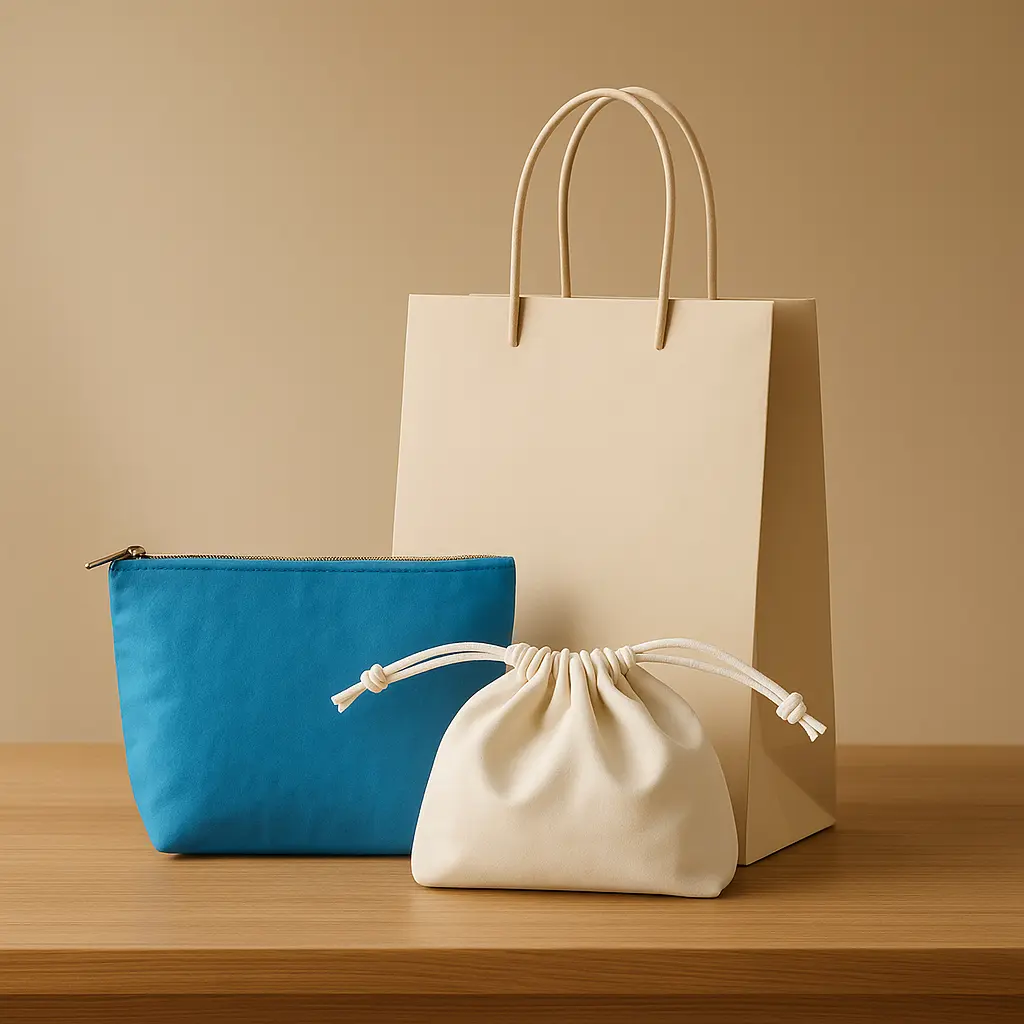
Accessory map for a beauty gift set
Quote-ready details to send
- ✓ Main packaging route: cosmetic bag, rigid box, drawer box, paper tube, folding carton or combined set.
- ✓ Accessory list with quantity per set: hangtag, belly band, card, ribbon, sticker, tissue or label.
- ✓ Artwork files, brand color target, paper or ribbon preference and finish direction.
- ✓ Barcode, QR, SKU label or warehouse label requirements; GS1 barcode planning1 can support barcode planning language.
- ✓ Document support needs for paper components; FSC chain-of-custody documentation3 can be raised early for paper-route review.
- ✓ Packing sequence, target price range, delivery country, launch date and sample approval deadline.
Sample approval should use a full pack-out
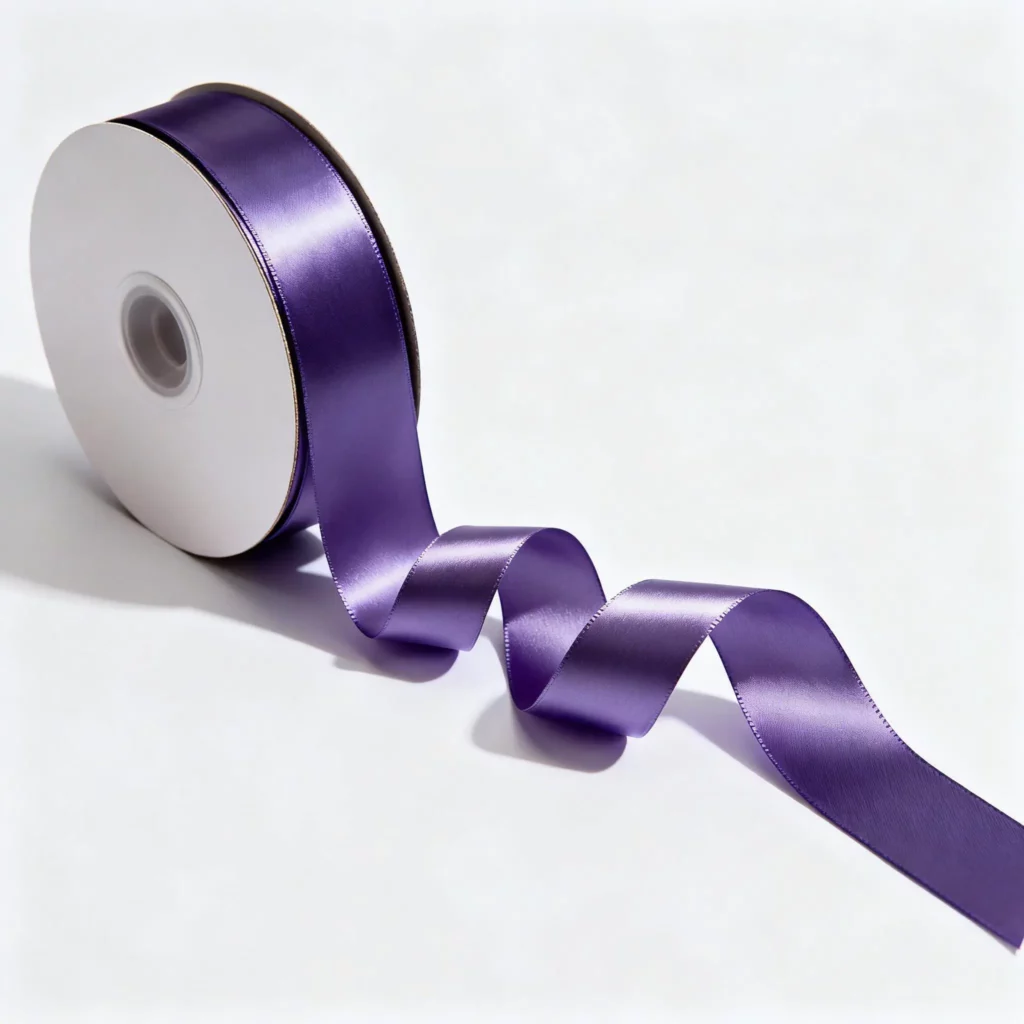
Accessory samples are often approved one by one, then fail as a set. A hangtag can look right alone but feel too large on a small pouch. A belly band can cover the logo. A ribbon can make a rigid box hard to close. Tissue paper can wrinkle in a way the buyer did not expect. The final sample should show the complete pack-out.
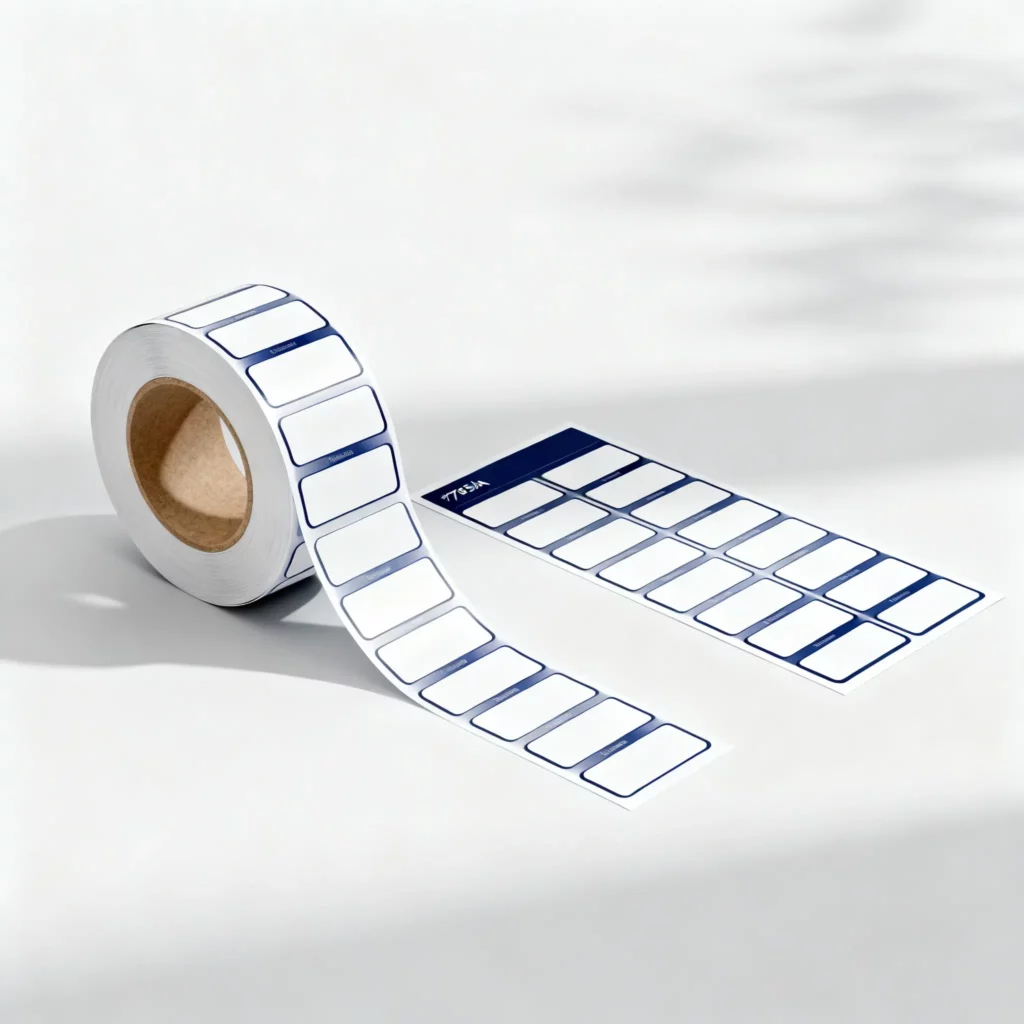
For gift sets, the sample should also answer operations questions. Who applies the label? Who ties the ribbon? Does the belly band slow packing? Does the sticker need to come in roll format for a warehouse? Does the insert card need to sit under the product, on top of tissue, or inside a pouch? These details affect quote, timing and QC.
If formal inspection language is needed, define visible checkpoints before production. Card color, ribbon width, label adhesion, sticker position, barcode readability and carton label accuracy can be reviewed with sampling language supported by ISO 2859-1 sampling4 when appropriate.
Visual consistency checks across accessories
Color
Compare the same brand color on paper, ribbon, sticker, tissue and fabric under the buyer’s lighting condition.
Escala
Check whether tag size, ribbon width, sticker diameter and card size fit the product rather than only the artwork file.
Finish
Foil, embossing, matte paper, satin ribbon and sticker gloss should be approved beside the actual box or bag.
Packing
Confirm whether accessories ship flat, tied, attached, inserted or packed separately for the buyer’s warehouse.
Confirm the Complete Accessory Pack-Out
List the main package plus every hangtag, belly band, insert card, ribbon, sticker and tissue component with quantity per set. Send pouch or box size, material, card copy, barcode or QR requirements, destination and launch date. Approve color, finish and packing sequence as one set; decide which components must be sampled together.
Best fit and less suitable buyers
Best fit buyers are beauty, skincare or wellness brands building GWP kits, retail gift sets, launch boxes or private-label packaging programs where accessories need to match bags, boxes, inserts or paper tubes. These buyers usually have artwork, product route, quantity, delivery market and sample approval timing.
Less suitable buyers are one-piece gift orders, no-brand requests, projects that only need generic stock stickers, or teams that want accessories without knowing the main packaging route. Accessories create value when they support a real pack-out, not when they are added as disconnected decoration.
Internal links for accessory RFQs
Review Ecoicolor’s custom packaging accessories page when the project includes hangtags, cards, ribbons, stickers or tissue paper. If the accessory set supports cosmetic bags, connect the brief with the custom cosmetic bag route as well.
A complete first message should list the main packaging, accessory components, quantity per set, artwork stage, barcode or QR needs, target price range, delivery country and launch date. That makes the first quote closer to the real pack-out.
How to prevent accessories from becoming late-stage rework
Accessories often look small on the RFQ, but they can cause late rework. A hangtag may need a different hole position after the pouch is sewn. A belly band may hide the logo once wrapped. A ribbon may add packing time the buyer did not budget for. A barcode label may need to move after the retail channel confirms scanning rules. These are not decoration-only decisions; they affect the finished set.
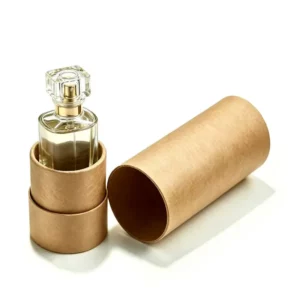
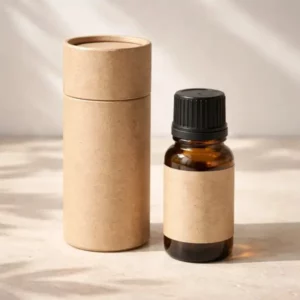
The sample approval should show the accessory in the real position. For a cosmetic bag, attach the hangtag and belly band. For a rigid box, place the insert card, tissue and sticker. For a paper tube, test the label and closure direction. For a warehouse-packed program, check whether labels come in roll or sheet format and whether the packing team can apply them consistently.
If the buyer wants several accessory versions for different SKUs, confirm what changes across versions: copy, barcode, color, sticker size, ribbon color or card language. Accessory versioning can be manageable, but it must be visible in the quote and production plan before artwork approval.
When accessories should be quoted with the main package
Accessories should be quoted with the main package when they affect size, color, pack-out, barcode, retail display or warehouse handling. That includes belly bands around cosmetic pouches, hangtags attached to bags, tissue inside boxes, card inserts under products, and sticker seals used during packing. If these are sourced separately, the buyer may save time at first but lose control when the set is assembled.
Some accessories can still be quoted separately when they are generic and do not affect the package. A simple carton label or standard thank-you card may not need to hold up the main sample. But for a branded beauty gift set, the safest route is to approve at least one complete pack-out sample so the buyer sees how all components behave together.
A clear accessory RFQ helps the supplier choose the right production route. Print method, paper stock, ribbon width, adhesive, foil finish, barcode format and packing sequence all depend on the final use. The more clearly those decisions are written at the beginning, the fewer revisions the buyer needs before launch.
FAQ
What accessories are common in beauty gift set packaging?
Common accessories include hangtags, belly bands, insert cards, ribbons, stickers, tissue paper, barcode labels and carton labels.
Should accessories be sampled together with the main packaging?
Yes. Accessories should be checked in the full pack-out because size, color, placement and packing sequence affect the final result.
Can Ecoicolor coordinate cosmetic bags, boxes and accessories together?
Yes. Ecoicolor can review a packaging system that includes cosmetic bags, rigid boxes, paper components, inserts and accessories.
What information is needed before quoting accessories?
Send the main packaging route, accessory list, artwork files, quantity per set, barcode or QR needs, target price range, delivery country and launch date.
Are accessories useful for every project?
No. Accessories are most useful when they support a real retail, GWP, launch or private-label pack-out. Generic one-piece requests are not a good fit.