Buyer Summary
Prepare the paperboard insert RFQ from the product outward. Provide product weight, dimensions, orientation and removal direction; outer-box internal dimensions; preferred board route; quantity; packing sequence; and document requirements. Recycled content or paper sourcing should be described only to the level supported by the selected material and project records.
Start with product weight and removal direction
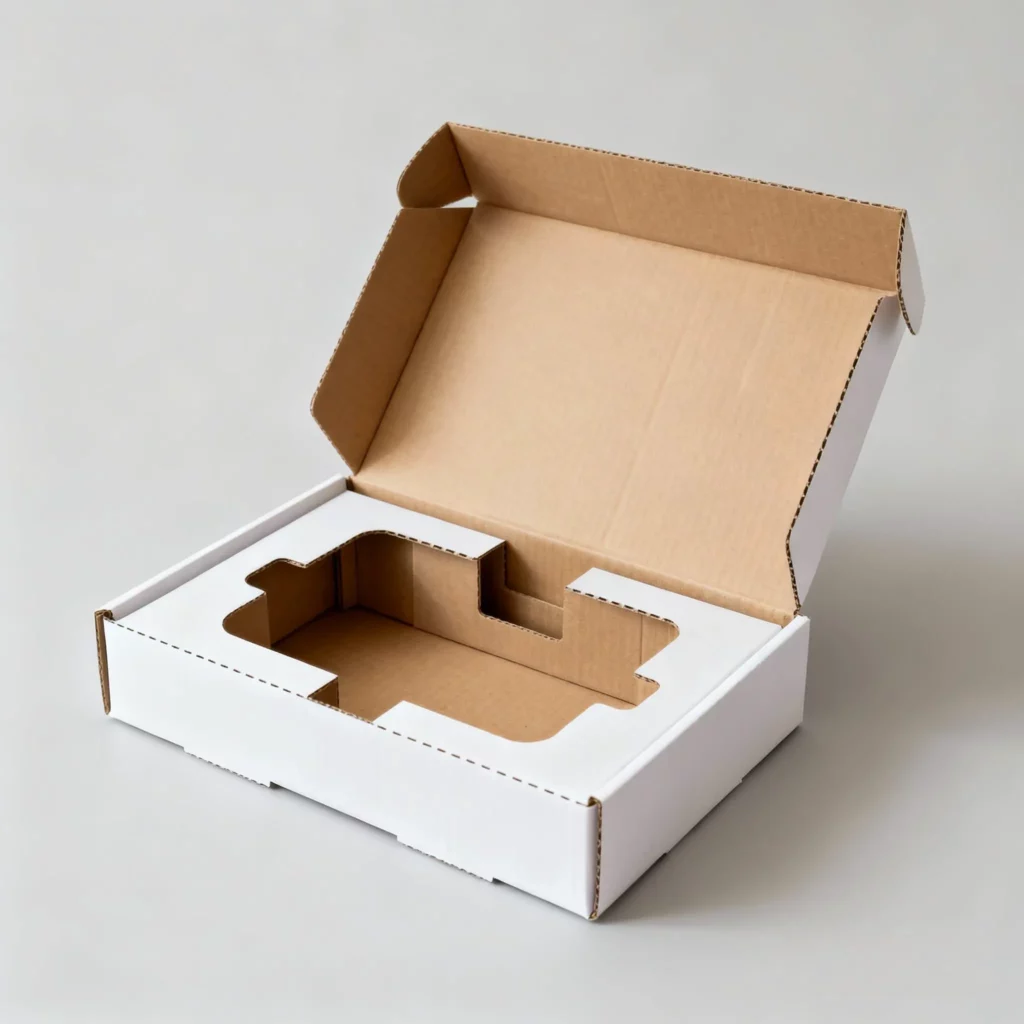
A cavity can match the product outline and still be difficult to pack or remove. Product weight changes how much support the base and side walls need. Removal direction determines whether the buyer needs a finger notch, pull tab, open side or exposed grip area. These choices should be shown on the first product map rather than added after the die-cut sample.
Choose fold direction before finalizing the cut line
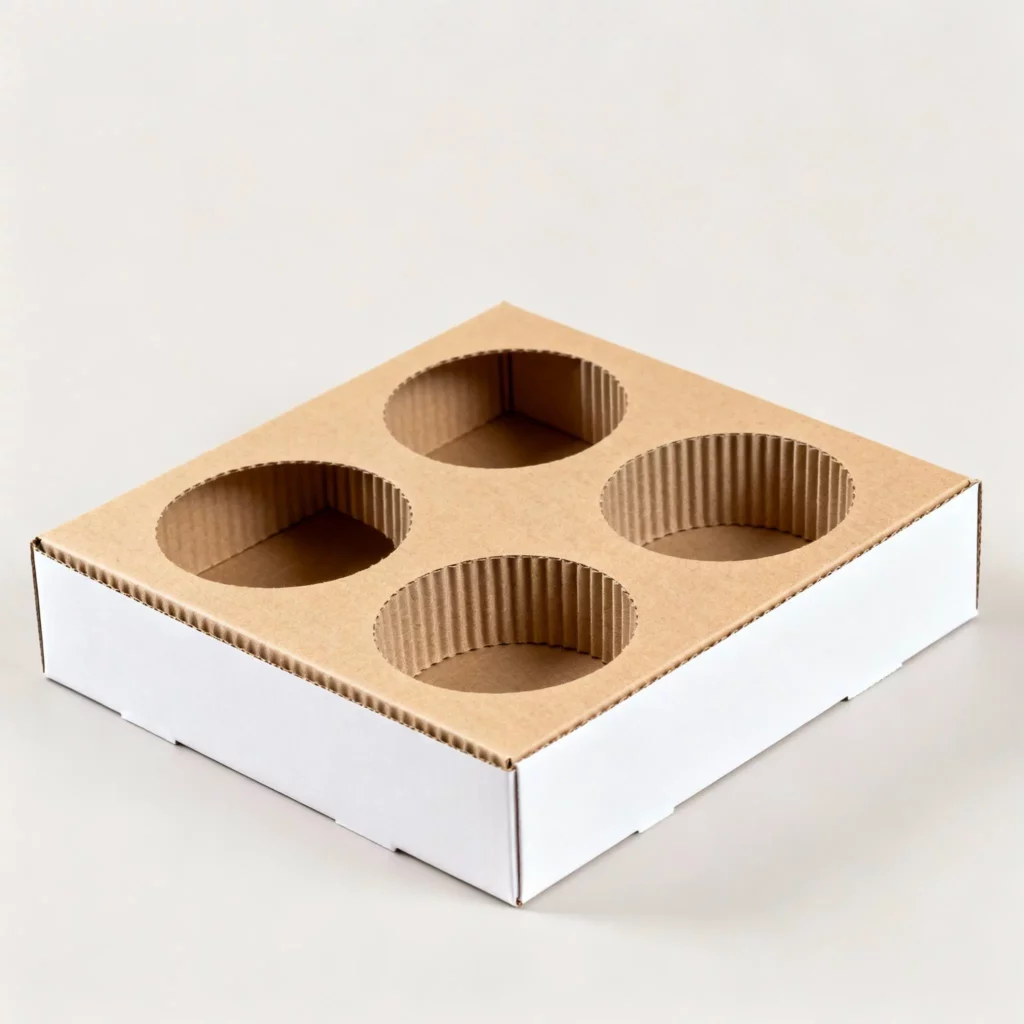
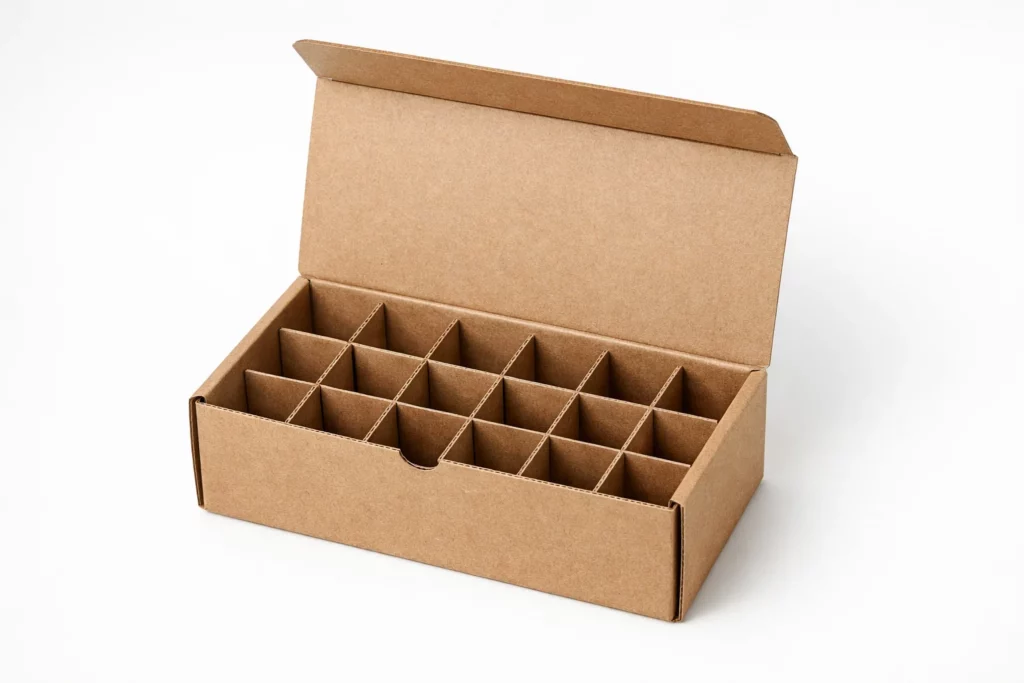
Paperboard and corrugated routes resist load differently along folds, scores and flutes. Place the main support walls and locking tabs so the material works with the product load. A narrow tab or short slot can tear during assembly even when the flat drawing looks clean.
| RFQ field | Buyer input | Supplier review |
|---|---|---|
| Product data | Length, width, height, weight, photos and preferred orientation. | Support points, cavity clearance and pressure-sensitive surfaces. |
| Outer box | Internal dimensions and opening direction. | Insert perimeter, loading sequence and removal space. |
| Board route | Paperboard or corrugated direction, color and document request. | Thickness, fold/score behavior, flute or grain direction and availability. |
| Removal access | Finger notch, pull tab, exposed edge or lift point. | Cutout size, edge strength and user access. |
| Packing route | Hand pack, kit assembly, card placement and carton direction. | Assembly time, locking sequence and risk of product movement. |
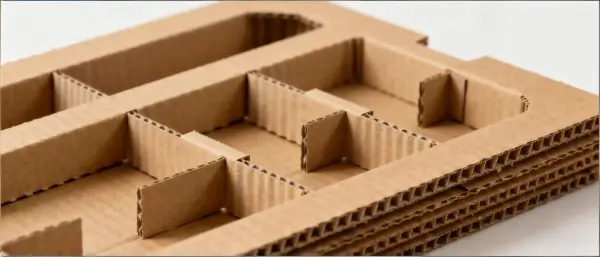
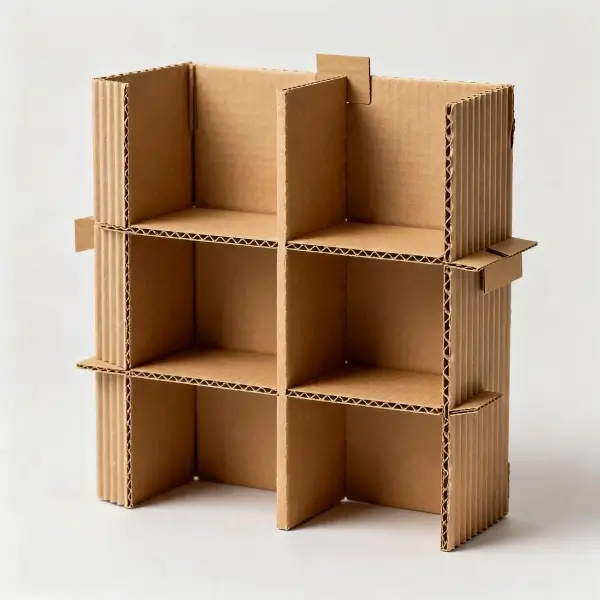
Design the removal cutout around hands and labels
A finger notch should allow removal without exposing too much product or weakening a support wall. Avoid placing the notch where a hand will rub printed decoration, a fragile cap or a required label. If the product has several components, identify the intended removal order so one item does not block another.
Finger access
Show the hand or finger direction on the drawing and test it with the intended product orientation.
Retention
Use enough edge support to hold the item during pack-out and normal handling without making removal awkward.
Label clearance
Keep cut edges, tabs and rubbing points away from product labels and decorated surfaces.
Scope recycled-content and paper documents carefully
O 4evergreen Circularity by Design Guideline1 provides design-for-circularity guidance for fiber-based packaging. Use that guidance as context, then review the actual board, coatings, adhesives, printing and separation route selected for the project. Do not treat the word recycled as a substitute for a documented material specification.
If FSC documentation is requested, use FSC chain of custody2 to understand chain-of-custody scope. Availability and claim wording depend on the selected material route, supplier records and the project. Confirm the exact document requirement before quotation rather than promising a generic certificate for every insert.

Approve the insert inside the final outer box
- Build the insert with the intended board direction, scores, tabs and locking method.
- Load real products or accurate weighted dummies in the approved orientation.
- Place the insert inside the final outer box and check perimeter fit and lid clearance.
- Test packing and removal in the intended order; inspect cut edges and label contact.
- Confirm the packed unit dimensions, protective materials and shipping-carton direction.
- Sign the material, revision, product map and document scope before bulk cutting.
For corrugated inserts and fitments, the FEFCO Code3 can support structural communication. The project drawing should still state the exact board route, dimensions, tolerances and approved sample revision.
Related procurement guides
FAQ
What product information is needed for a paperboard insert RFQ?
Provide product dimensions, weight, photos, orientation, fragile areas, removal direction and either physical products or accurate dummies for sampling.
Why does board direction matter?
Fold, grain or flute direction affects stiffness, scoring, edge behavior and how tabs or walls carry the product load.
How large should a finger notch be?
There is no universal size. It should be tested with the actual product, user access, support wall and label-clearance requirements.
Can Ecoicolor promise recycled content for every insert?
No. Recycled-content options and documentation depend on the selected board route, availability and project scope. Confirm the requirement before quotation.
Should the insert be sampled separately from the box?
The insert can be developed as a component, but final approval should take place inside the intended outer box with the real product map and packing sequence.
About the Author

Vivi Lu supports Ecoicolor buyers with RFQ review, structure choices, material routes, sample approval and retail packing for beauty, fragrance, jewelry and sewn-pouch projects. Connect with Vivi Lu on LinkedIn.