Jewelry Packaging / Pouches
What Vivi needs before quoting a jewelry pouch
This guide is for beauty, skincare or jewelry brand buyers preparing a custom packaging RFQ with enough detail for Ecoicolor to recommend a practical material route, MOQ plan and sample-first workflow.
RFQ Readiness Snapshot
Plan custom jewelry pouch RFQs with linen-cotton, rPET, velvet, logo method, drawstring details, MOQ 500, samples and target price. The article uses Ecoicolor’s current MOQ rules: sewn bags and pouches from MOQ 500, and paper boxes, rigid boxes, paper tubes and inserts from MOQ 1000. A useful RFQ should include product use, dimensions, artwork, material direction, target price, launch window and ship-to country.
Enough for a first quote
Finished pouch size, jewelry use, quantity, material direction, logo method, ship-to country and target price.
Needed before sample
Vector logo, color reference, cord detail, lining decision, label/tag needs and real product or jewelry card dimensions.
Article position: jewelry pouch RFQ, not a generic jewelry box guide
This article is for jewelry, accessories and beauty-adjacent brand teams preparing a custom jewelry pouch RFQ. It does not rank jewelry box manufacturers or repeat the broader jewelry launch checklist. The job here is narrower: help the buyer send enough pouch information for Ecoicolor to quote material, logo, drawstring, MOQ and sample route without repeated back-and-forth.
That focus matters because a pouch looks simple until the buyer has to choose linen-cotton, rPET, velvet, lining, cord, logo method, packing, label and target price. A complete brief lets Ecoicolor recommend a realistic route instead of quoting a premium material that later exceeds the buyer’s budget.
Material choices: linen-cotton, rPET and velvet
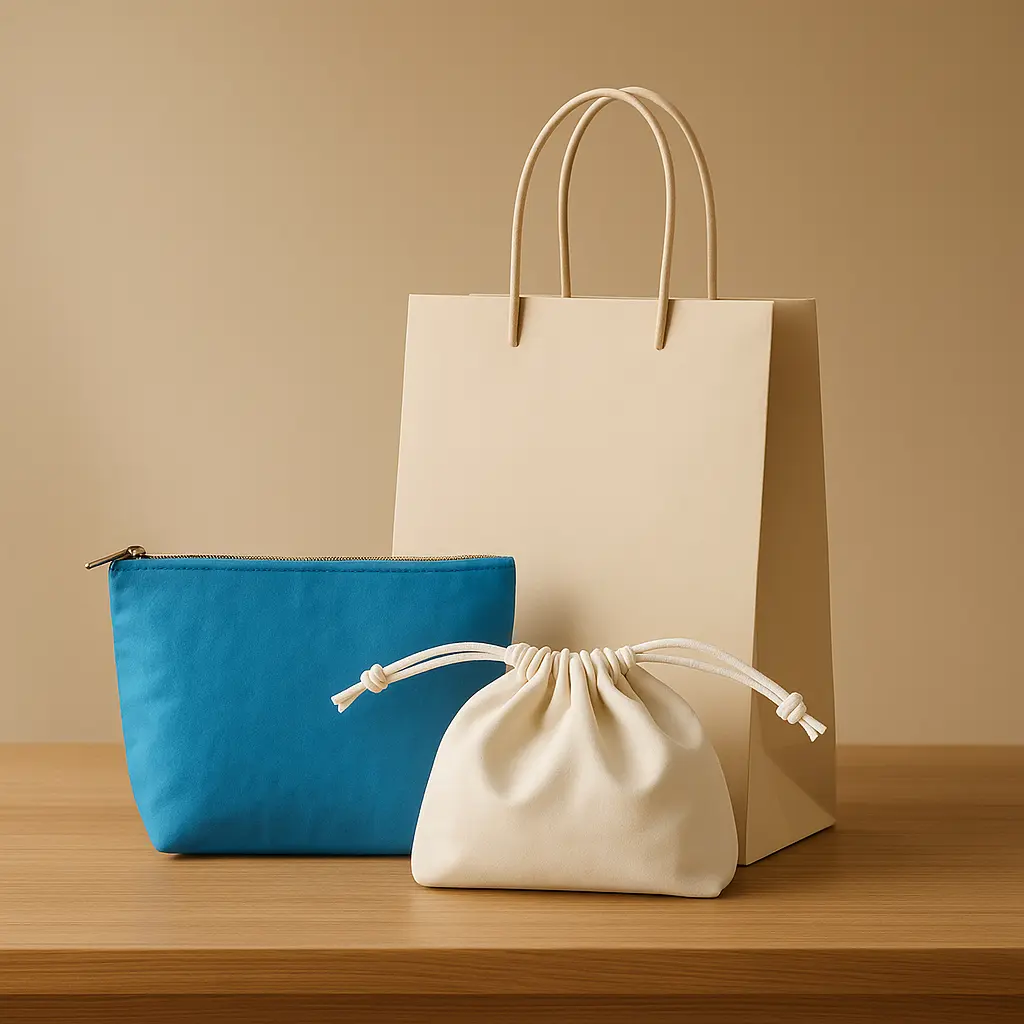
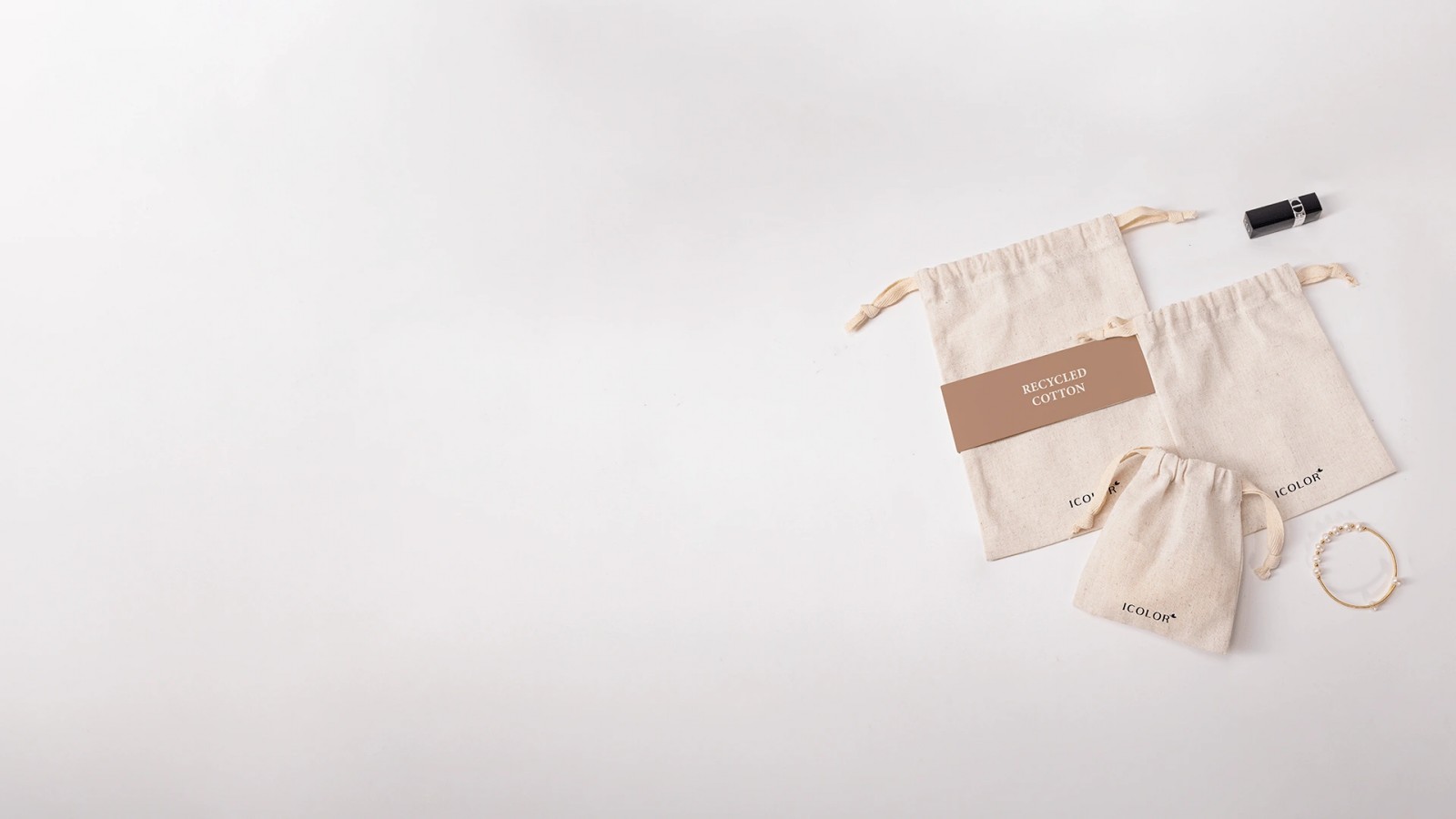
Ecoicolor’s common jewelry pouch conversations often start with linen-cotton, rPET and velvet. Linen-cotton works when the buyer wants a natural hand feel and a clean branded pouch. rPET can be reviewed when the project needs a recycled-material route and document discussion; the exact document scope depends on the supply chain and project material, not on a generic claim.1 Velvet is useful when the pouch should feel softer and more premium for rings, necklaces, bracelets or small gift sets.
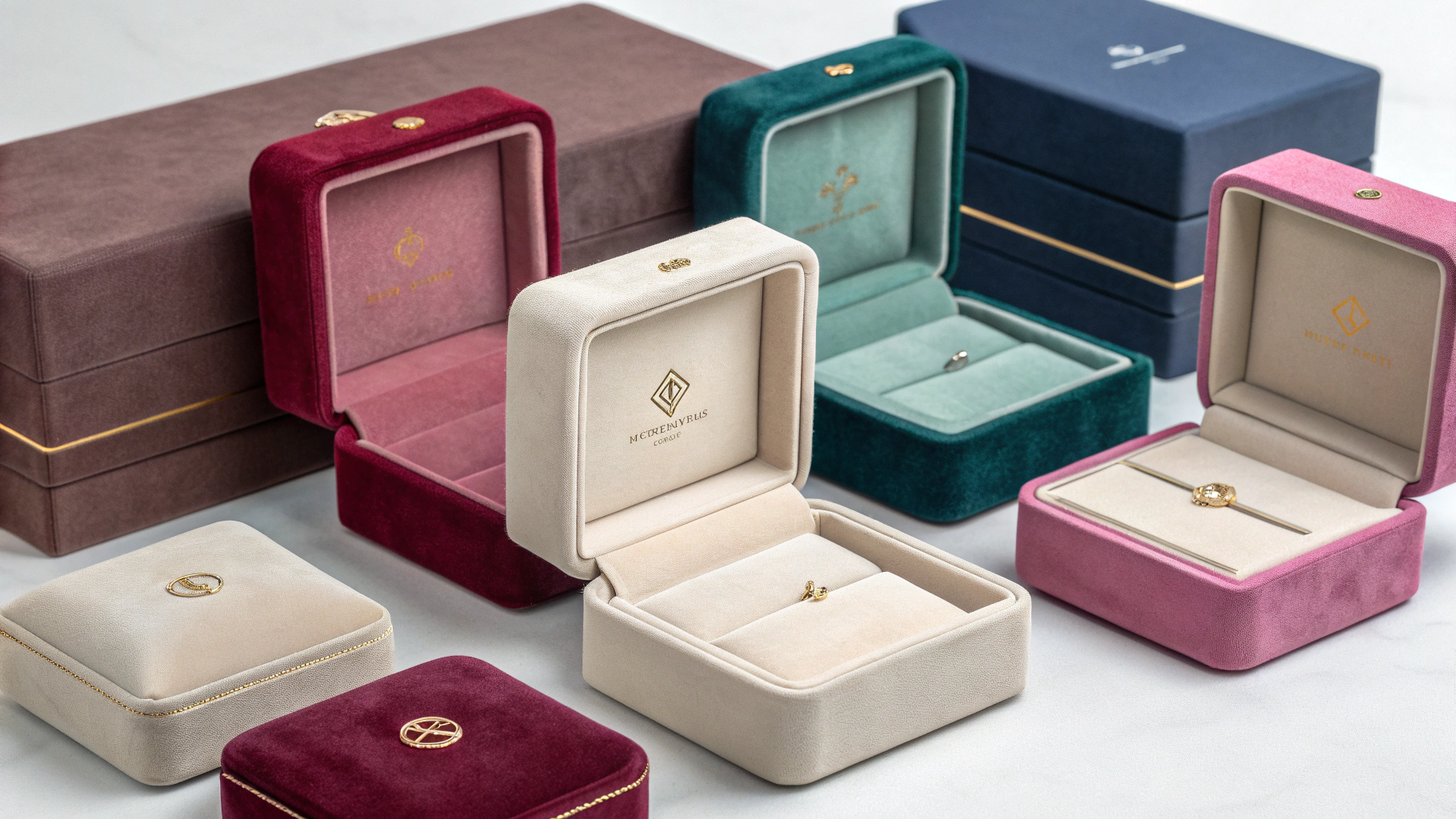
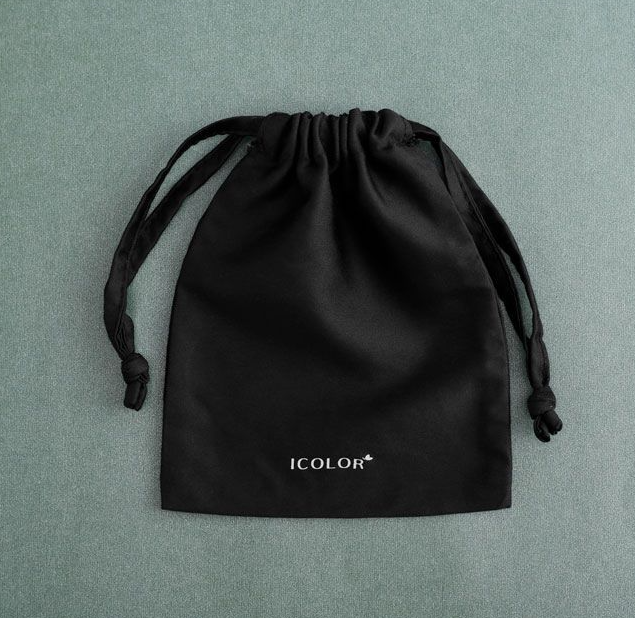
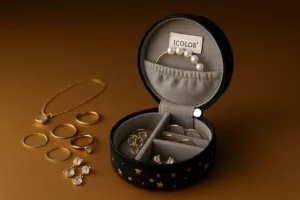
The most useful RFQ does not only say “velvet pouch” or “eco material”. It should say the jewelry type, finished pouch size, whether lining is needed, target color, logo method, quantity, target price and ship-to country. If the pouch uses a printed paper hangtag or paper sleeve, paper document support should be discussed as a separate route.2 If the target price is missing, the supplier may recommend a beautiful route that is too expensive for the actual launch.
Logo method: screen print, woven label or hot stamping
For jewelry pouches, Ecoicolor commonly sees screen print, woven label and hot stamping requests. Screen print is often used for direct branding on fabric. Woven labels are useful when the brand wants a sewn-in identity detail. Hot stamping can work on selected surfaces, but it must be tested on the actual material because fabric pile, texture and heat response can change the result.
Logo decision
Screen print, woven label and hot stamping should be chosen after checking fabric surface, logo size and brand finish.
Approval risk
A logo that looks fine in artwork can change on velvet pile, linen texture or coated label stock.
The logo file should be provided as a usable vector file when possible. The RFQ should also state logo size, placement, color and whether the brand accepts a close match or needs a stricter approval process. For retail projects, barcode or label planning should be discussed early when pouch packaging connects with store handling or product tags.5
Drawstring and closure details that affect sample approval
A drawstring pouch RFQ should name the closure route. Buyers may need single cord, double cord, ribbon, cotton cord, satin cord, branded cord ends or a specific knot style. The drawstring route affects hand feel, opening width, durability and cost. It also affects the buyer’s product-fit test because a pouch that looks correct flat may feel tight when real jewelry cards or small boxes are inserted.
MOQ and sample timing for custom jewelry pouches
For sewn jewelry pouches, Ecoicolor should be planned from MOQ 500 when the design and material route are clear. If the pouch is part of a broader packaging set with paper boxes or inserts, the paper components should normally be planned from MOQ 1000. Separate MOQ by product type prevents confusion during quote review.
Sample timing is confirmed after usable artwork, dimensions and material direction are ready. Special dyeing, special cord, special labels, custom hardware or repeated changes can extend timing. For bulk inspection planning, ISO 2859-1 is a commonly referenced inspection sampling standard.3 Quality-management language may also use ISO 9000 family concepts when teams discuss supplier systems and process control.4
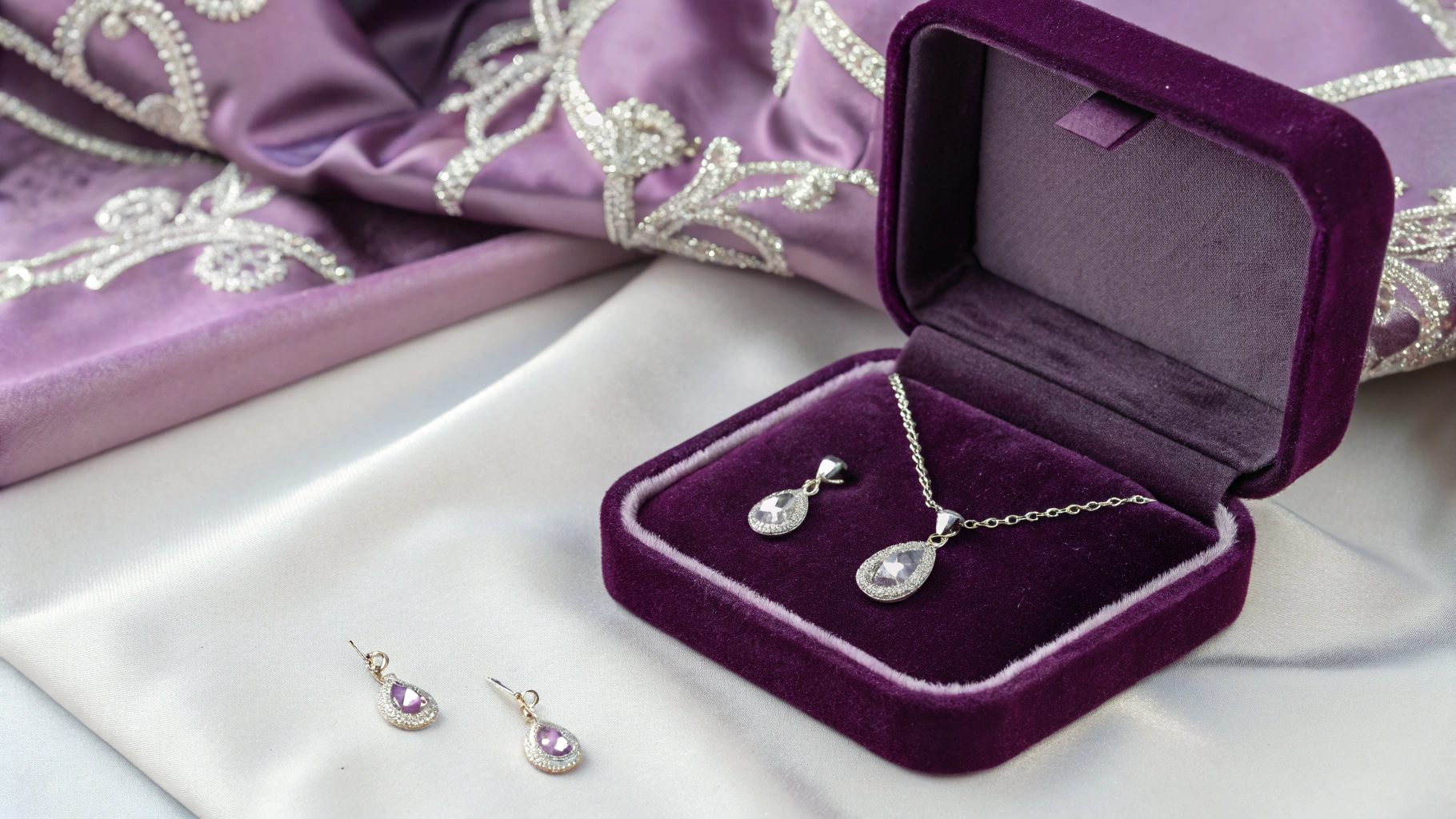
Use Target Price to Narrow the Jewelry Pouch Material Route
Share the target price range with pouch size, quantity, jewelry type, material direction, lining, logo, label and cord requirements. Ecoicolor can then compare linen-cotton, rPET, velvet and trim routes that fit the intended retail or gifting use before sampling.
When the First Jewelry Pouch Quote Exceeds the Target
Compare material weight, lining and cord construction, logo method, pouch size, retail pack-out, sample quantity and mass-production quantity. Ask the factory to identify the largest cost drivers before changing materials or removing functions.
RFQ checklist to send Ecoicolor
- Pouch use: ring, bracelet, necklace, earring, jewelry card, gift set or travel storage.
- Material route: linen-cotton, rPET, velvet or open to recommendation.
- Logo method: screen print, woven label, hot stamping or unsure.
- Quantity and MOQ: plan sewn pouch MOQ from 500.
- Target price: give a target or range so Ecoicolor can recommend a realistic material route.
- Artwork and timing: provide vector logo, color reference, ship-to country and launch window.
Suitable and less suitable inquiries
Suitable
This topic fits jewelry brands, accessory brands, beauty gift teams and retail buyers preparing MOQ-ready custom pouches for gifting, checkout, product protection or collection packaging. It is strongest when the buyer can share product type, pouch size, material direction, logo file, quantity, target price, ship-to country and sample-first timeline.
Less suitable
It is not suitable for single-piece personal gifts, no-brand requests, lowest-price-only messages, below-MOQ orders that refuse review, or urgent bulk orders that cannot wait for sample approval. Ecoicolor should not be positioned as a retail gift shop; the value is custom manufacturing for real brand projects.
FAQ
What MOQ should a jewelry pouch buyer expect?
Plan custom sewn jewelry pouches from MOQ 500 when the material, size and logo method are clear.
Which materials does Ecoicolor commonly review for jewelry pouches?
Common routes include linen-cotton, rPET and velvet, with the final choice based on target price, brand feel, document needs and sample approval.
Can Ecoicolor advise the material if the buyer has a target price?
Yes. A target price helps Ecoicolor recommend a realistic pouch material, lining, logo and cord route before sampling.
What logo methods are common for jewelry pouches?
Screen print, woven label and hot stamping are common requests, but the best method depends on the actual fabric and brand finish.
What makes a jewelry pouch RFQ slow?
Missing finished size, jewelry use, logo file, material route, quantity, target price, ship-to country or launch date usually slows quote and sample planning.
Sources
- Textile Exchange Global Recycled Standard information. ?
- FSC chain-of-custody information for paper tags or paper packaging routes. ?
- ISO 2859-1 sampling procedures for inspection by attributes. ?
- ISO 9000 family quality management information. ?
- GS1 US UPC barcode overview for retail labeling context. ?