Use this procurement guide to brief printing and finishing for custom drawer boxes. A useful RFQ should connect MOQ 1000 planning, paper route, FSC file needs, foil, embossing, debossing, spot UV, color proofing, structural samples, insert protection, QC and launch timing before the supplier quotes.
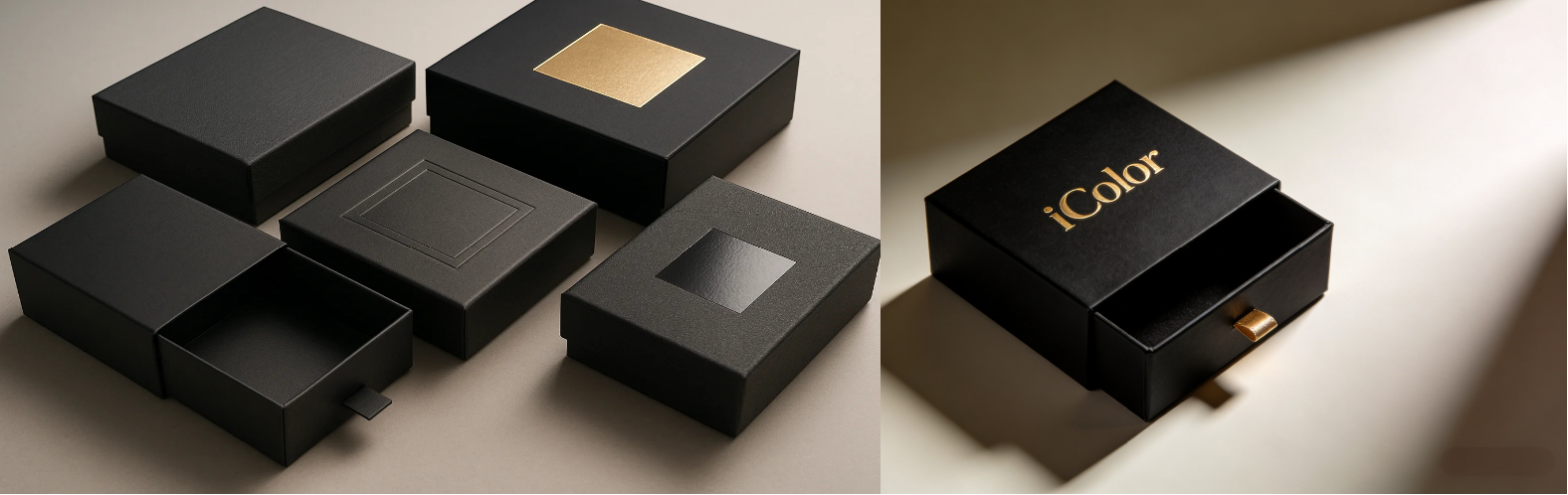
Printing and finishing can make a drawer box feel premium, but they can also create sample delays if the buyer approves artwork before the material, structure and inspection points are clear. For beauty, fragrance, jewelry and retail launch teams, the right question is not just which finish looks impressive. It is which finish can be sampled, inspected and repeated across the approved box structure.
Need drawer box finishes reviewed before quotation?
Send Ecoicolor your drawer structure, paper route, logo file, finish idea, target quantity and launch window. We will review the sample and QC route before pricing.
Send a Packaging Brief View Custom Drawer BoxesQuick Answer
For drawer box printing and finishes, buyers should brief the supplier with box size, drawer structure, paper route, FSC file needs, artwork status, finish method, foil color, embossing or debossing depth, color target, MOQ 1000 planning, sample route, QC points and delivery timing. Approve the structure first, then review the finish on the final material route.
What to Prepare Before Requesting a Quote
Prepare these details before asking for drawer box finish pricing:
- Drawer structure: sleeve and tray, ribbon pull, finger notch, insert route and opening direction.
- Material route: greyboard thickness, wrap paper, specialty paper, inner paper and insert material.
- FSC file needs: component scope, claim wording, retailer submission needs and document language.
- Artwork status: logo file, dieline, Pantone target, finish layer and print area.
- Finish method: foil stamping, embossing, debossing, spot UV, texture paper, matte lamination or varnish.
- MOQ and variants: MOQ 1000 planning, colorways, artwork versions and market copy changes.
- Sample route: blank structural sample, printed sample, finish proof and pre-production sample if needed.
- QC and packing: color tolerance, foil position, emboss depth, sleeve fit, insert hold and carton marks.
For related routes, review Ecoicolor’s custom drawer boxes e materials and printing methods guide.
Drawer Box Finish RFQ Checklist
| RFQ detail | What to specify | Why it matters |
|---|---|---|
| Paper route | Printed paper, specialty paper, textured paper or wrap paper | Controls ink result, foil hold and surface texture |
| Finish method | Foil, embossing, debossing, spot UV, varnish or lamination | Affects tooling, sample timing and inspection |
| Artwork layers | Print file, dieline, foil layer, emboss layer and logo position | Prevents mismatched plates or unclear proofing |
| MOQ and versions | MOQ 1000 planning, SKU split, colors and market versions | Keeps setup cost and material purchase clear |
| Sample gates | Blank sample, printed sample, finish proof and pre-production approval | Aligns structure, color and finish before bulk |
| QC points | Color, foil position, depth, surface marks, sleeve fit and carton packing | Helps the inspection team check what matters |
1. Approve the Drawer Structure Before Finish Tooling
Finish tooling should follow the approved structure. If the sleeve height, tray depth, insert position or opening direction changes after tooling is discussed, the logo position and finish plate may need revision.
Confirm:
- Sleeve and tray dimensions.
- Opening direction.
- Product position inside the drawer.
- Insert height and product clearance.
- Logo position on the outer sleeve.
- Whether the finish crosses an edge, fold or wrapped corner.
- Whether one finish plate supports several artwork versions.
For broader rigid paper box options, review Ecoicolor’s custom rigid boxes.
2. Match Finish Method to Paper and Brand Use
Foil, embossing, debossing, spot UV and textured paper all behave differently. The right method depends on the paper surface, logo detail, color target, retail handling and inspection standard.
Common finish routes include:
- Foil stamping for metallic logos, borders and small premium details.
- Blind embossing for raised texture without added color.
- Debossing for pressed-in logo marks and subtle brand details.
- Spot UV for gloss contrast on selected artwork areas.
- Textured paper for a tactile surface without heavy print coverage.
- Matte or soft-touch lamination when the project needs a smoother surface.
Ask the supplier which methods fit the selected paper before approving artwork. A finish that looks clean on coated paper may not behave the same way on a textured wrap.
3. Treat MOQ 1000 as a Planning Baseline
MOQ 1000 is a practical planning reference for many custom drawer box projects. The final MOQ depends on box size, paper route, finish tooling, insert material, artwork versions and SKU split.
Clarify:
- Total quantity.
- Quantity per artwork version.
- Whether each market uses different copy.
- Whether foil, embossing or color changes by SKU.
- Whether one structure can support several inserts.
- Whether finish tooling can be shared across variants.
If the project has many versions, consider keeping the finish plate consistent and changing printed paper, insert card, sleeve, label or market copy where possible.
Need to check MOQ, samples and finish tooling?
Review MOQ 1000 planning, blank structural samples, printed samples, finish proofs, insert route and QC points before approving bulk production.
Check MOQ and Sample Route Review Insert Options4. Build Artwork Files With Separate Finish Layers
Finish problems often begin in the file handoff. A supplier needs to know what is printed, what is foiled, what is embossed and what is only a visual guide.
Prepare:
- Final dieline.
- CMYK or Pantone print artwork.
- Separate foil layer.
- Separate embossing or debossing layer.
- Spot UV or varnish layer if used.
- Logo vector file.
- Clear notes for finish color, position and tolerance.
If the finish must align tightly with printed artwork, ask for a printed sample or finish proof before bulk approval. Small registration shifts can be acceptable for some designs and unacceptable for others, so define the standard early.
5. Check Color Proofs on the Final Paper Route
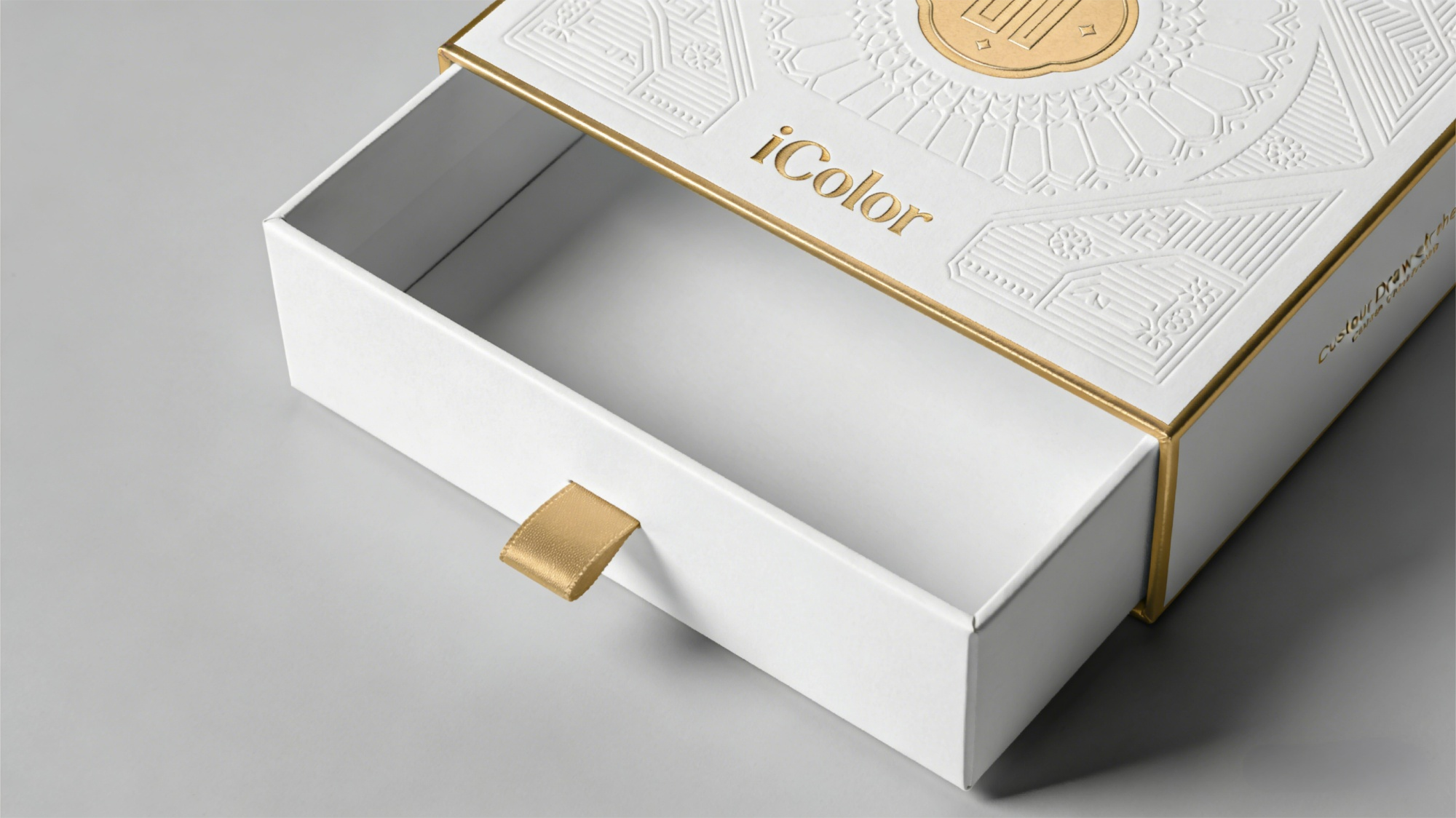
Color can shift across coated paper, textured paper, specialty paper and darker wrap materials. A digital proof is useful for layout, but it does not replace a physical color or printed sample when color is critical.
Review:
- Pantone or target color.
- Paper color and paper texture.
- Ink coverage and drying result.
- Color tolerance between sample and bulk.
- Whether inner paper, insert card and sleeve need to match.
- Whether the same color appears on other packaging components.
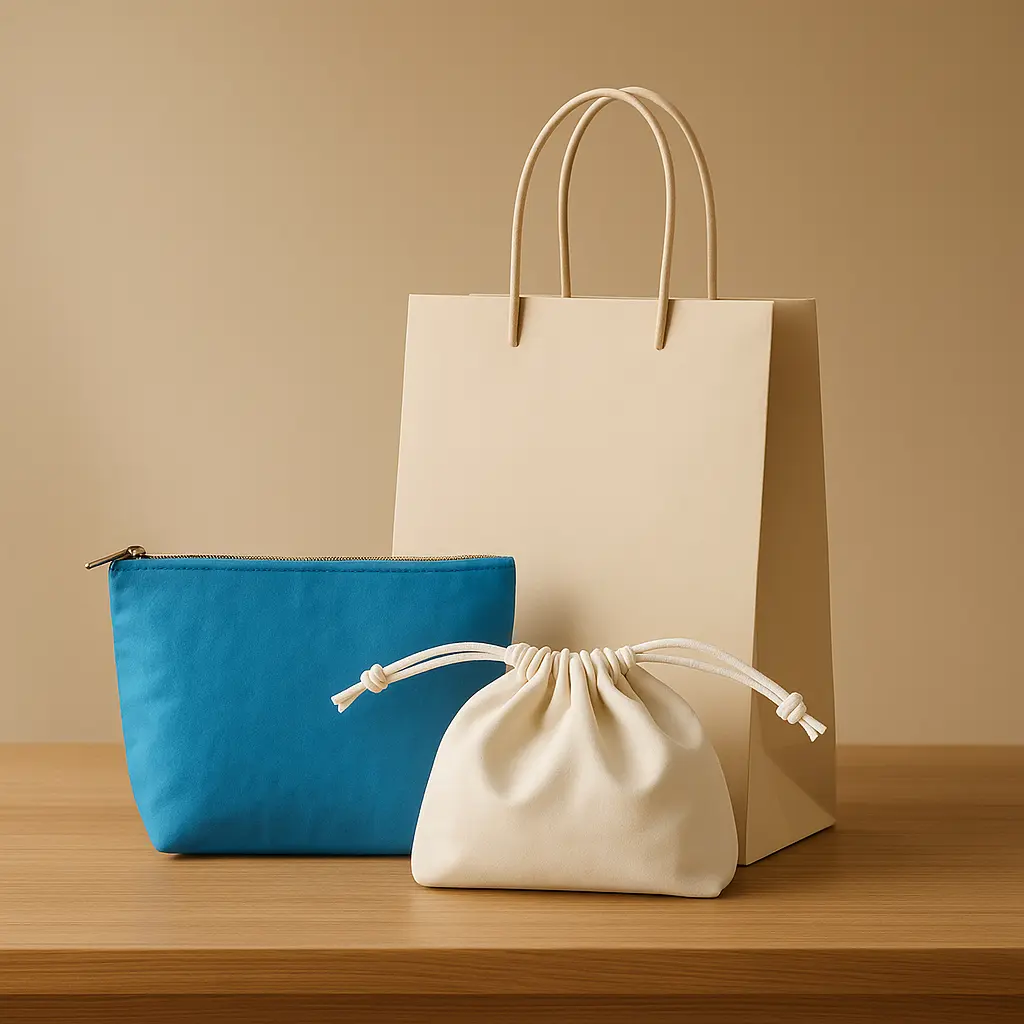
If the drawer box belongs to a larger launch kit, compare the box with pouches, inserts, labels, cards and retail bags before final approval.
6. Confirm FSC Files and Material Claims Before Approval
If the project needs FSC files, discuss the file route before approving materials and finish samples. The buyer should clarify which components are covered and what claim wording is expected.
Ask:
- Which paper components need documentation.
- Whether wrap paper, inner paper, insert card or sleeve all follow the same file route.
- Whether retailer submission files are required.
- Whether invoice, packing list or carton marks need specific wording.
- Whether the finish method affects claim wording or component review.
Keep claim language separate from visual design language. The packaging can look premium without making broad environmental claims that the file package does not support.
7. Define QC for Finish Position and Surface Quality
Drawer box finish QC should cover both appearance and function. A beautiful foil mark will not solve a sleeve that is too tight or an insert that lets the product move.
Inspection points can include:
- Sleeve and tray fit.
- Drawer movement and pull force.
- Foil position and coverage.
- Embossing or debossing depth.
- Spot UV position and gloss contrast.
- Surface marks, scratches, glue marks and edge alignment.
- Color consistency across sleeve, tray, insert and card.
- Insert hold and product movement.
- Carton packing direction, carton weight and carton marks.
Document these points before bulk production so the supplier, QC team and buyer are checking the same standard.
Buyer Checklist Before Bulk Approval
Before approving bulk production, confirm:
- Drawer structure and opening direction are approved.
- MOQ 1000 planning and SKU split are clear.
- FSC file needs are confirmed before material approval.
- Paper route and finish method are approved from samples.
- Artwork layers are separated and labeled.
- Foil, embossing, debossing or spot UV position is approved.
- Insert route and product fit are checked.
- QC points and carton packing method are documented.
- Lead time includes tooling, samples, revisions, production, inspection and handoff.
FAQ
What should a drawer box printing finish RFQ include?
Include drawer structure, paper route, FSC file needs, artwork status, finish method, foil color, embossing or debossing depth, MOQ, sample route, QC points, carton packing and launch timing.
Which finishes are common for custom drawer boxes?
Common options include foil stamping, embossing, debossing, spot UV, varnish, textured paper and matte or soft-touch lamination. The best route depends on paper surface, logo detail and inspection needs.
Should structure be approved before foil or embossing tooling?
Yes. Finish tooling should follow the approved sleeve, tray, insert and logo position. If the structure changes after tooling, the finish plate or artwork position may need revision.
What MOQ should buyers plan for custom drawer boxes with finishes?
MOQ 1000 is a practical planning reference for many custom drawer box projects. The final MOQ depends on size, paper route, finish tooling, insert material, artwork versions and SKU split.
How should finish QC be defined?
Define color tolerance, foil position, embossing or debossing depth, surface marks, sleeve fit, insert hold, carton packing and any retailer requirements before bulk production.
Ready to compare drawer box finish samples?
Share your paper route, logo file, finish method, FSC file request, insert needs and delivery target. Ecoicolor can review swatches and sample options before production.
Request Material Swatches Compare Materials and Printing