Fit review starts with the product sample
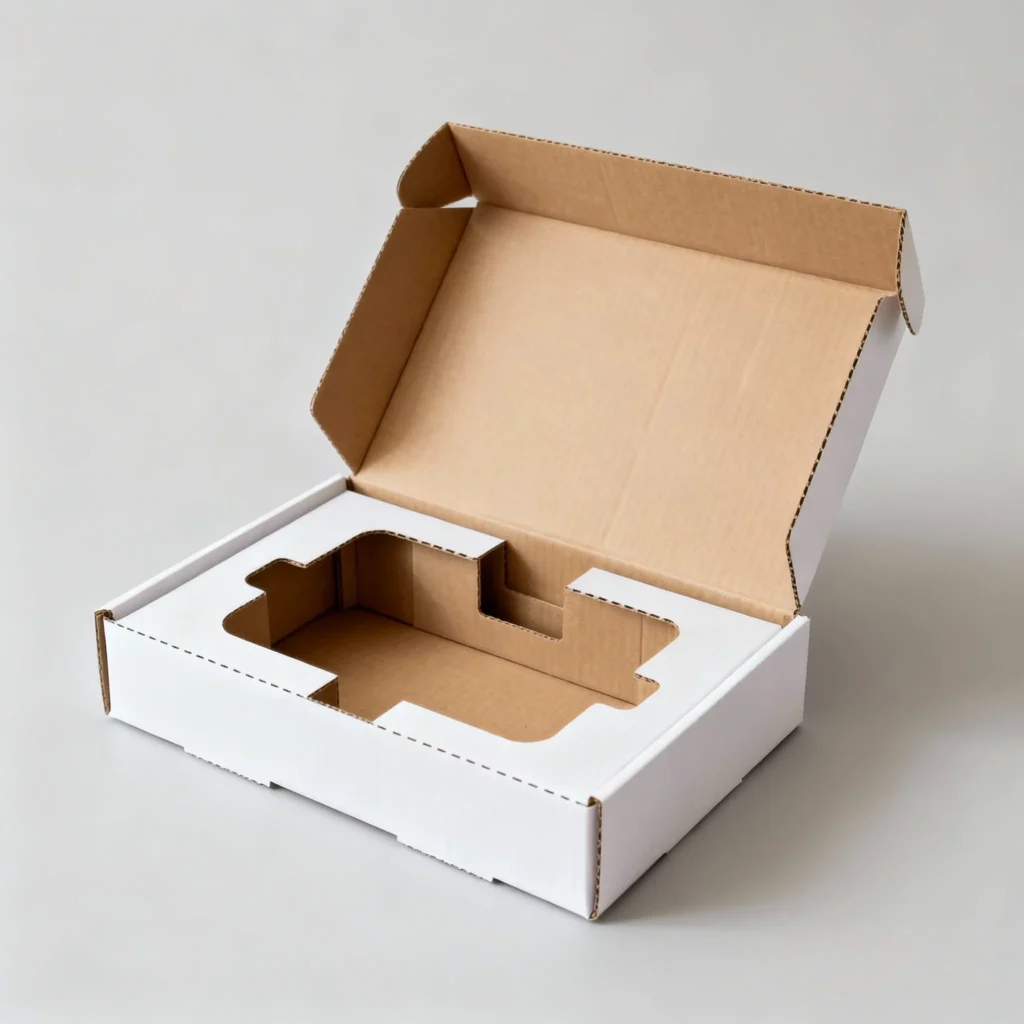
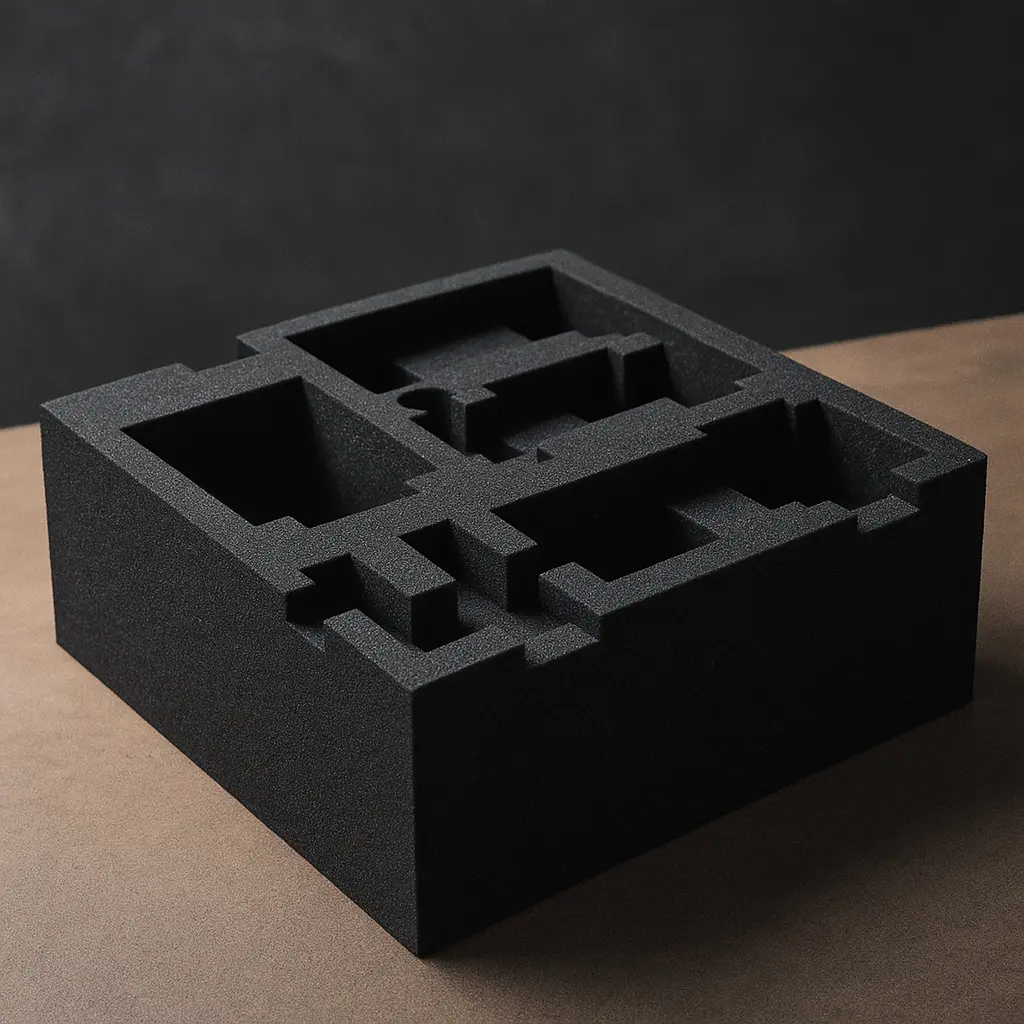
A custom dunnage insert is not only a protective tray. It decides how the buyer sees the product, how the item is removed and how much movement happens during shipping. Send product dimensions, weight, fragile points, display angle, box size and material preference before asking for a quote. If paper materials are required, ask whether FSC chain-of-custody documentation1 or other project-specific document support is available.
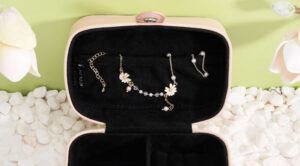
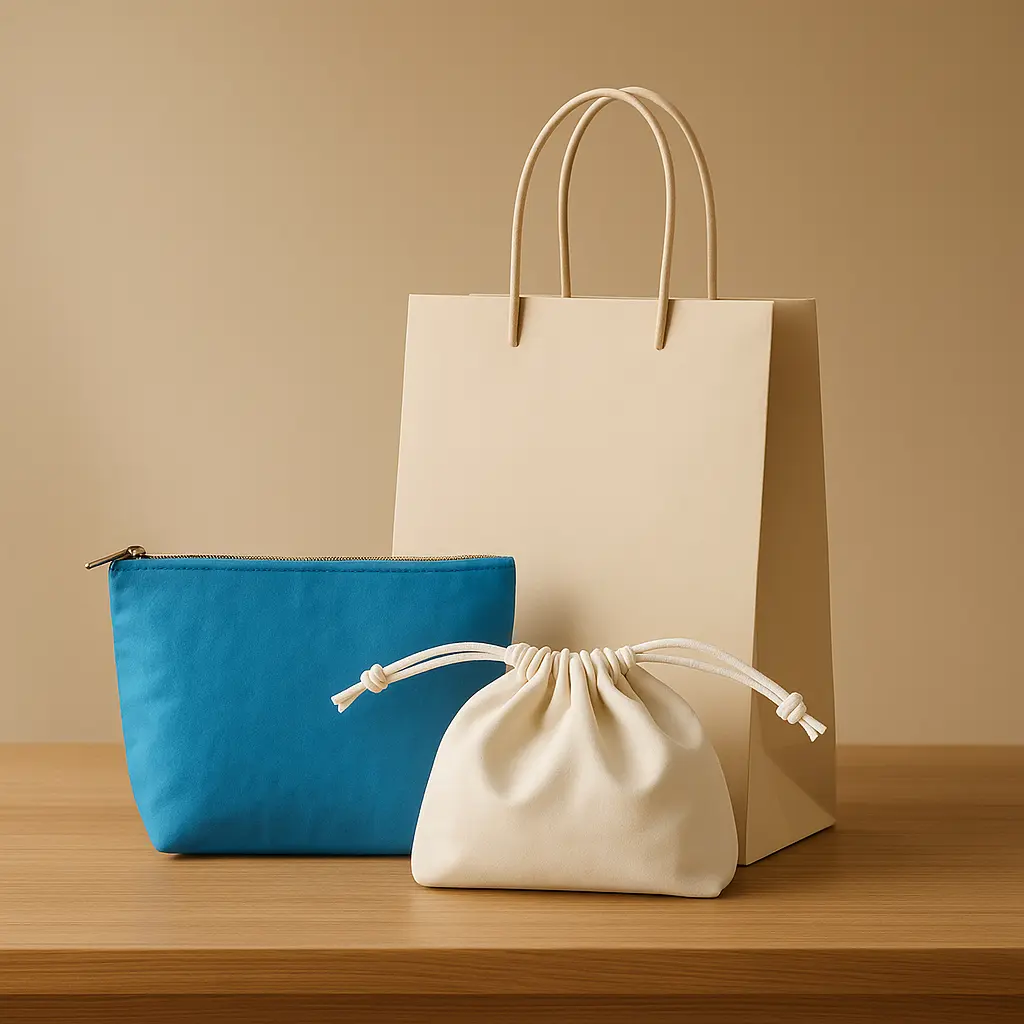
For beauty and jewelry packaging, the same insert may need to protect glass, hold a pendant card, separate a jar from a pouch, or show a sample vial set. That is why photos alone are not enough. A physical fit review is the decision point.

Choose the insert route by job, not by trend


RFQ details that reduce sample revisions
Product data
Send length, width, height, weight, cap/pump direction, jewelry card size, pouch size and fragile points.
Box route
Share whether the insert sits in a rigid box, folding carton, paper tube, drawer box, mailer or gift set tray.
Approval plan
Define drop/handling expectations, display angle, removal feel, color, material and packing method. ISTA transit-test procedures2 can support transit-test discussion when needed.
Retail details
If the set needs barcode, QR card or product labels, plan the insert and cards together. GS1 barcode planning3 can support barcode planning.
Best fit and less suitable buyers
Best fit buyers are beauty, fragrance, essential oil or jewelry brands with MOQ 1000+, product samples or accurate dimensions, a box route, sample-first timing and a clear launch or retail use. The buyer should care about fit, presentation and protection, not only the lowest insert price.
Less suitable buyers are one-piece requests, no-brand projects, below-MOQ paper/insert orders, or teams that cannot provide product dimensions and still expect a final quote. Fit is the product of material, box and sample testing, so the supplier cannot solve it from a short message alone.
What Ecoicolor needs in the first message
Send the product size, product sample status, box type, desired material route, quantity, target price, ship-to country and launch date. If material color must match the brand palette, include color targets and approve the physical sample; systems such as Pantone color communication4 help communication but do not replace sample proofing. If bulk inspection needs formal sampling language, define it before production with a framework such as ISO 2859-1 sampling5.
FAQ
What MOQ should buyers expect for custom box inserts?
Insert projects should normally be planned from MOQ 1000, especially when tooling, die cutting, molded pulp, EVA or thermoformed trays are involved.
What information is needed for an insert RFQ?
Send product dimensions, product weight, fragile points, box size, desired material, display angle, quantity, target price and delivery market.
Which insert material is best?
There is no universal best material. Paperboard, foam, molded pulp and thermoformed trays solve different fit, presentation and cost problems.
Should the buyer send a product sample?
A product sample or exact dimensions are strongly recommended because insert fit cannot be judged reliably from photos alone.
Who is not a good fit?
Single-piece requests, below-MOQ projects and buyers who cannot provide product size or box route are not a good fit.
Sources
- FSC chain-of-custody information for paper document support. ↩
- ISTA test procedure resources for packaging and transport checks. ↩
- GS1 US barcode resources for retail packaging planning. ↩
- Pantone Connect resources for color communication and review. ↩
- ISO 2859-1 sampling procedures for inspection by attributes. ↩