Buyer Summary
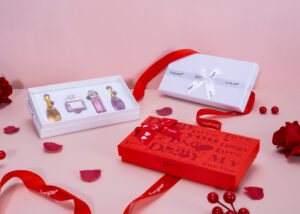
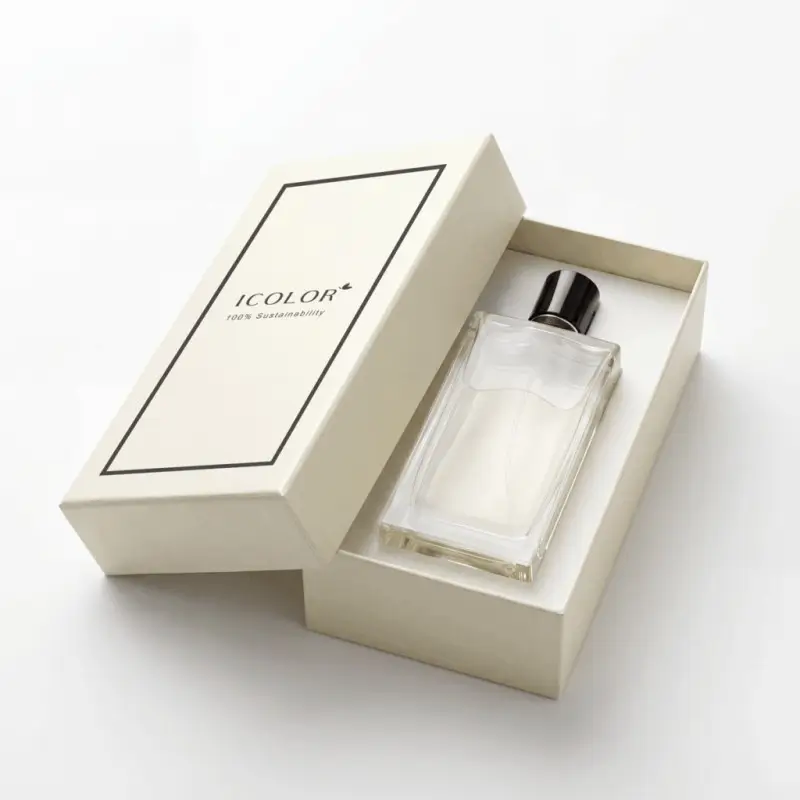
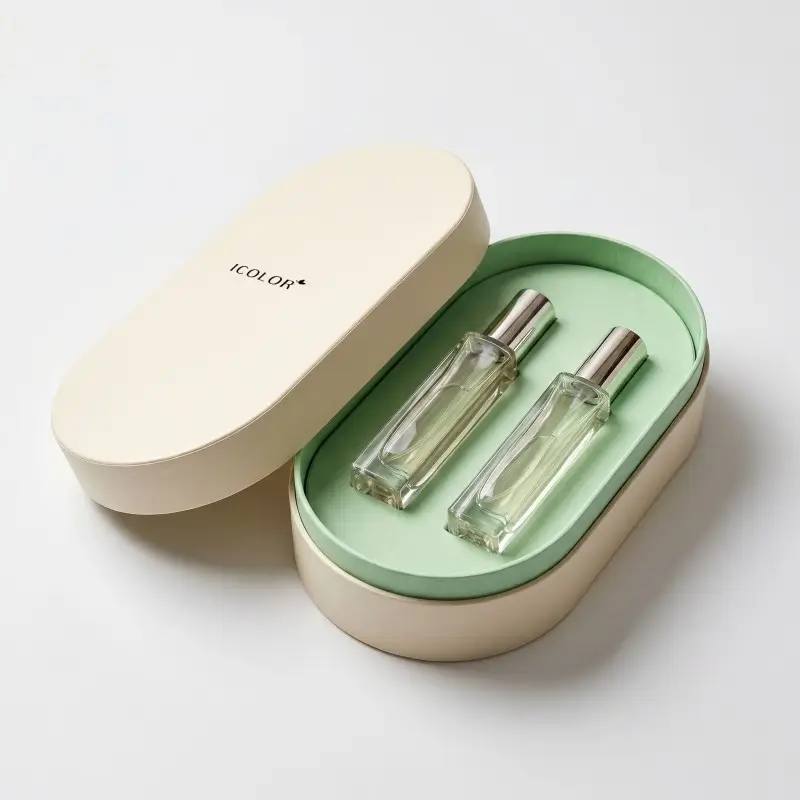
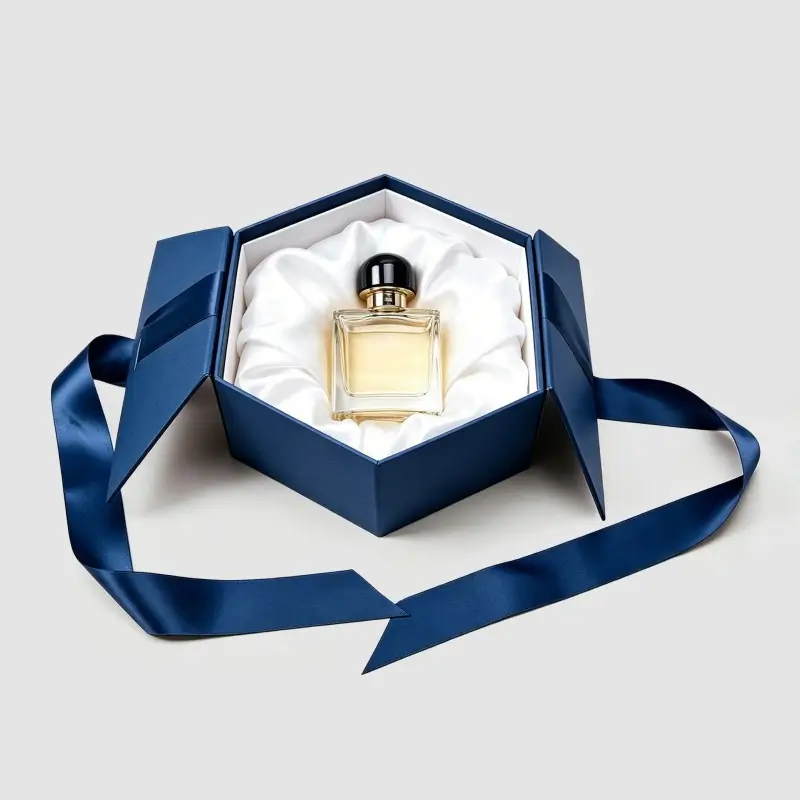
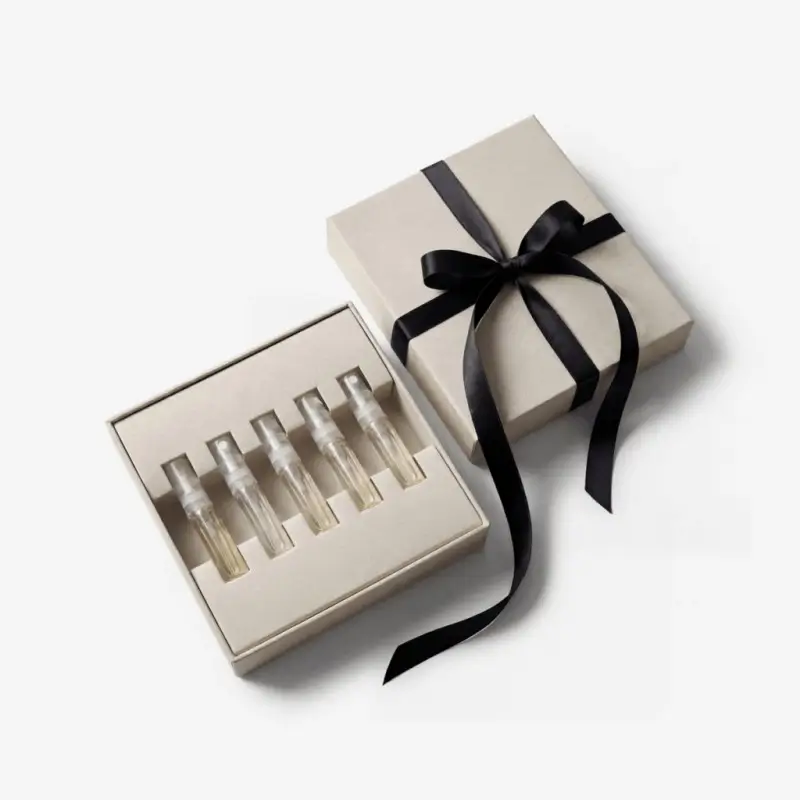
Use this guide when a beauty gift set needs a lid and base rigid box with a window cutout, sleeve opening or visible product area. Plan paper rigid box work from MOQ 1000, then confirm product map, window size, insert clearance, label area, finishing route and carton packing before final pricing.
A window cutout changes more than the front panel
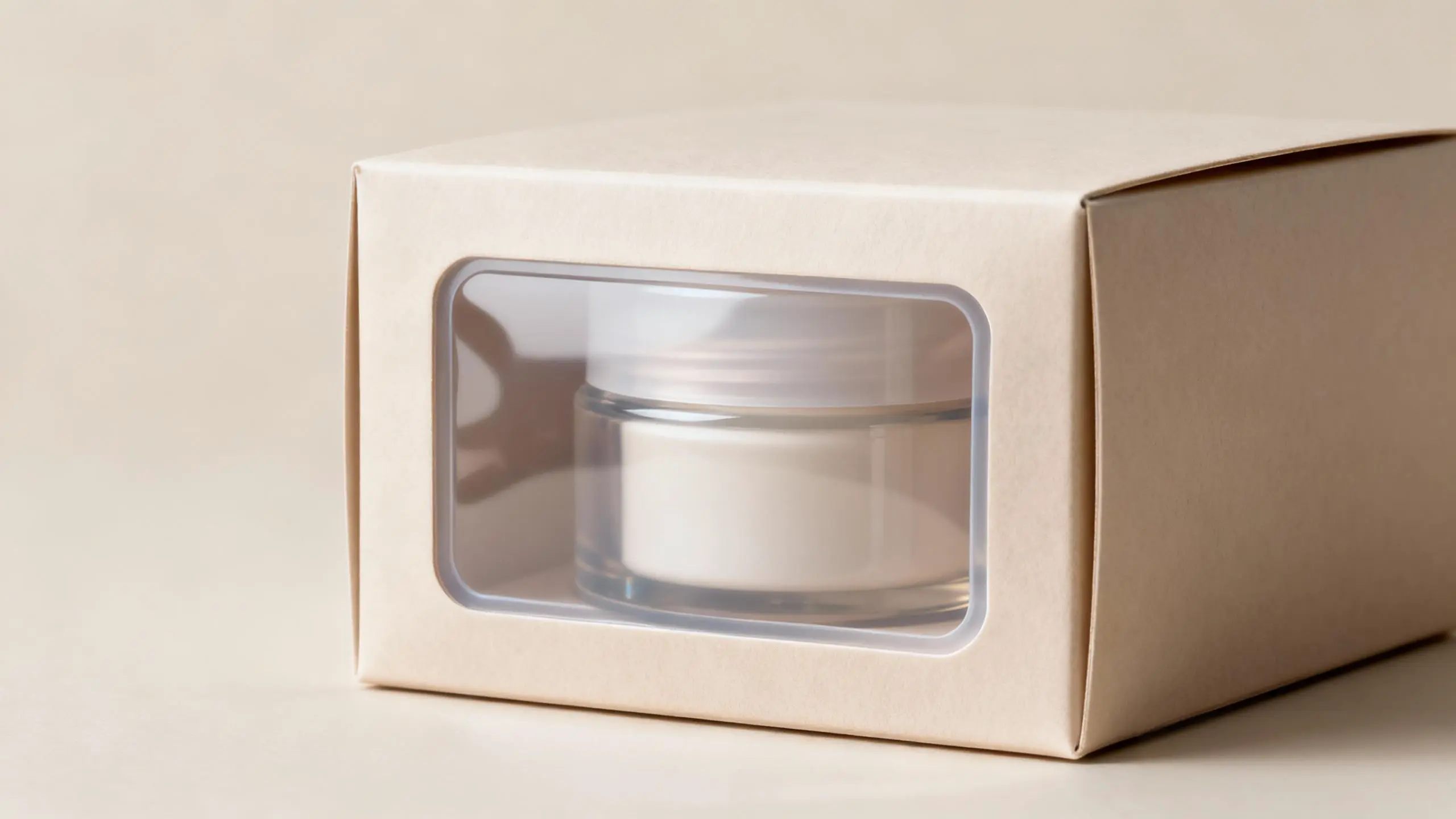
For a lid and base box, a window can make the gift set easier to inspect, but it also affects board strength, insert clearance, dust protection and label placement. The buyer should not approve the dieline until the product map, window size and opening experience are reviewed together.
If the project needs paper document support, keep the claim tied to the selected material route. FSC chain-of-custody documentation1 can support chain-of-custody discussions, but the final wording depends on supplier records and the approved material.
Product visibility
Decide what the buyer needs to see: bottle label, color, jewelry piece, sample vial or only a partial reveal.
Window size
A larger cutout can weaken the panel or expose the insert. A smaller cutout may not show enough product information.
Insert clearance
The insert, product height and lid depth must be checked together so the product does not press into the window.
RFQ checklist before a window sample
Sample sequence for beauty gift set boxes
A practical sequence is product map first, blank dieline second, window/insert sample third and printed finish last. This order prevents the buyer from approving a beautiful print sample that still fails because the window is too low, the insert is too tight or the label area is missing.
If the set will ship through distribution or e-commerce, package testing language may be useful after the structure is stable. ISTA transit-test procedures4 provides transit-test procedure context.

Best fit
Beauty, skincare or fragrance gift sets with MOQ 1000+, confirmed product dimensions, retail display needs and time for structural sampling.
Less suitable
Single-piece requests, no product map, no window purpose, no launch timeline or buyers asking for final pricing before the structure is approved.
Buyer note
If the same lid and base box must hold several SKU combinations, send the largest and most fragile product map first.
Internal route for lid and base window RFQs
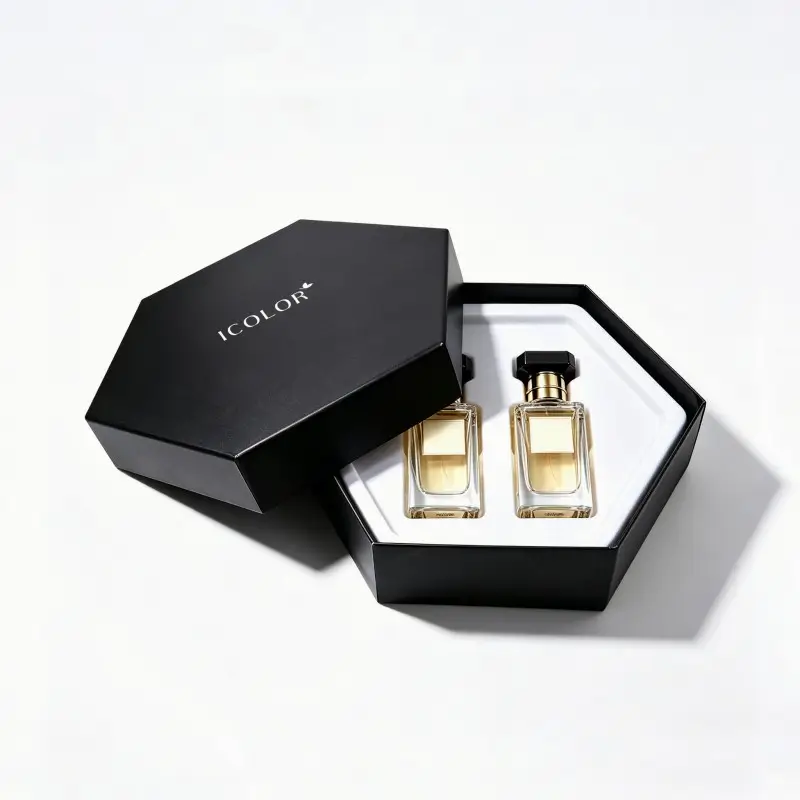
Start from Ecoicolor’s custom lid and base boxes page when the main task is rigid box structure, window opening and sample approval. If the window exists because the product needs a stable display, connect the RFQ with custom box inserts too.
FAQ
What MOQ should buyers expect for lid and base boxes?
Custom paper rigid lid and base boxes should normally be planned from MOQ 1000 because structure, insert fit, print and sample approval are involved.
What should be sent before a window cutout sample?
Send product dimensions, set layout, preferred window size, window material, insert route, artwork stage, quantity, destination country and sample timing.
Can a window cutout weaken the box?
Yes. A large cutout can affect panel strength, dust protection and insert clearance, so it should be reviewed on a structural sample.
Should the insert be approved before the window?
The insert and window should be reviewed together because product height and visible area determine the final cutout and lid depth.
Who is less suitable for this route?
Single-piece requests, no product map, no retail display purpose, below-MOQ projects or final-price-only inquiries are less suitable.
Sources
- FSC chain-of-custody information for paper packaging document support. ↩
- GS1 US guidance on UPCs, barcodes and company prefixes for retail planning. ↩
- Pantone Connect information for color communication across materials. ↩
- ISTA packaging test procedure resources for transport and distribution checks. ↩