Buyer Summary
Use this guide when a gift box needs several fixed compartments before sampling: jewelry pieces, bottles, accessories, cards or small gift products. This article supports the custom inserts page by showing what buyers should send before the insert layout is sampled, so the broad insert page remains the main money page.
Buyer insight: twelve compartments means twelve fit decisions
A recent premium gift-box inquiry described a box with velvet dividers and 12 compartments for gift products, plus a detailed Illustrator layout. That is the right starting point, but the sample still needs product-level checks: each compartment has its own clearance, removal direction, lining contact and tolerance risk.
The main mistake is treating a multi-compartment insert as one simple tray. For quoting and sampling, Ecoicolor needs to know whether all products are the same height, whether some products are fragile, which item should be removed first, and whether the box will ship filled or empty. Those choices can change material route and carton packing.
Good brief
Product map, item dimensions, item weight, photos or dummy samples, removal direction and outer box route.
Quote risk
Artwork layout exists, but product height, weight and removal clearance are still missing.
Sample gate
Before bulk approval, test movement, edge contact, lift route, lining marks and carton packing with real products or accurate dummies.
A multi-compartment insert is a product map
A multi-compartment insert should not be drawn as decoration. It is a product map that controls box size, opening route, removal clearance, carton packing and labor route. If the buyer changes one product after sample approval, the insert, box height and packing route may all change.
For insert and paperboard routes, FSC chain-of-custody documentation1 can support document discussions when material and supplier records allow it. If the finished set needs product identification, GS1 barcode planning2 can support barcode planning, but practical sample pass/fail points should be confirmed before RFQ.
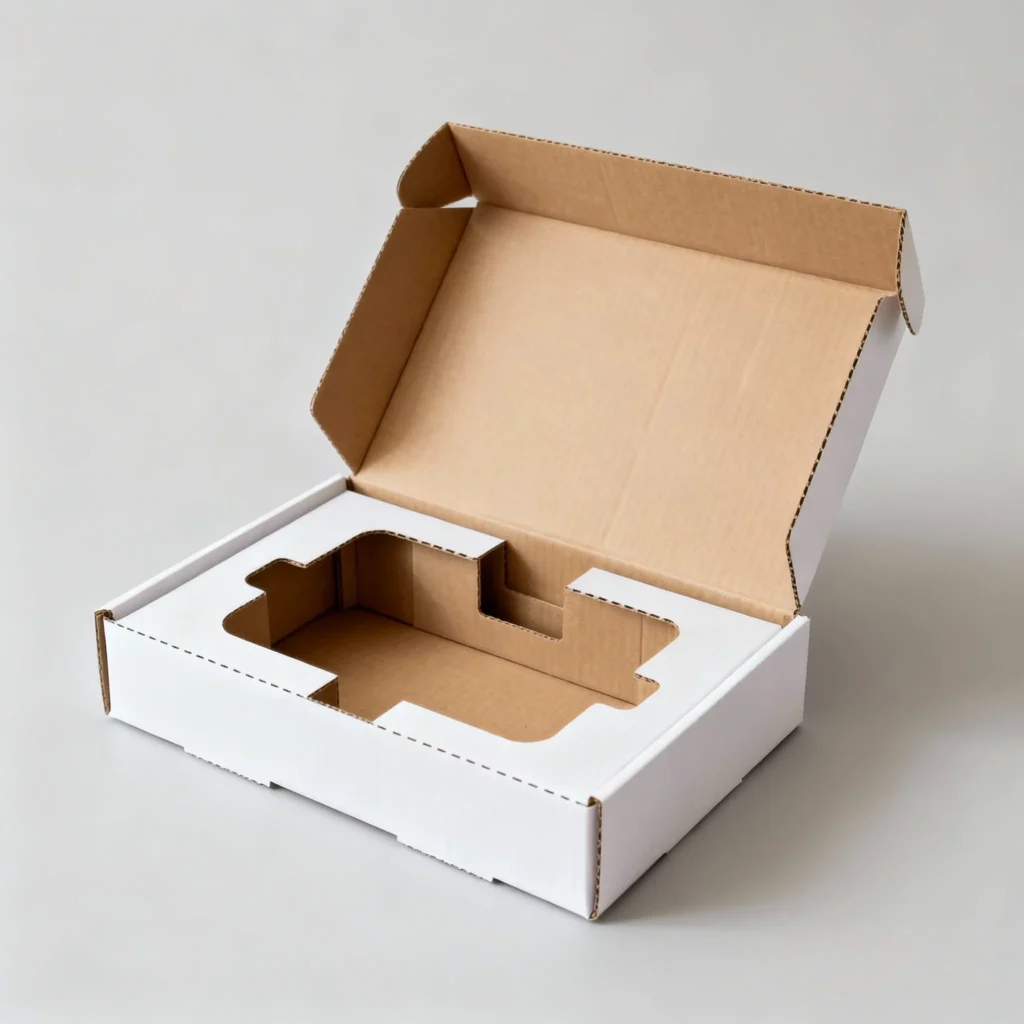
Layout fields to send before sampling
Choose the insert material by product risk
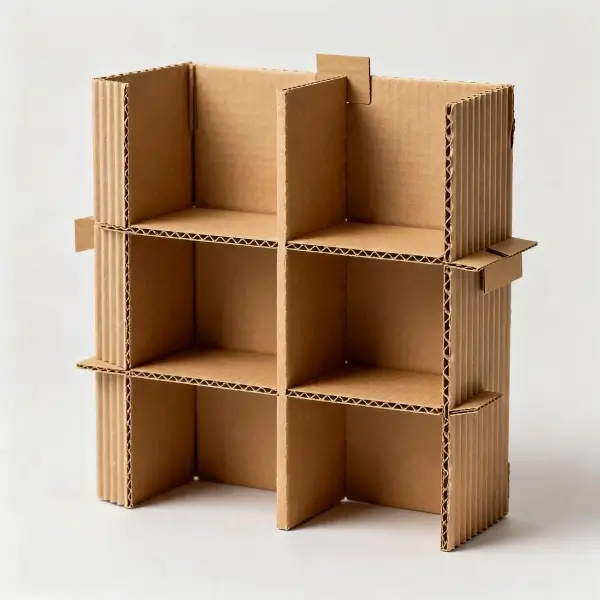
Paperboard dividers
Good for lighter gift products, cards or retail-ready layouts where paper appearance and recyclability matter.
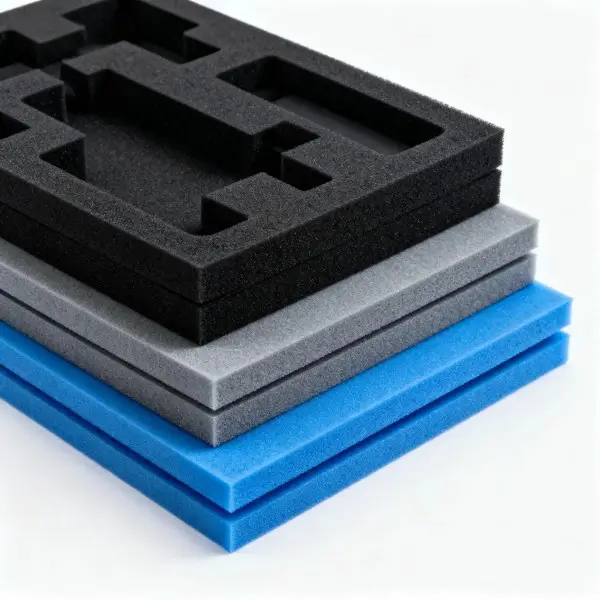
EVA or foam
Useful for fragile, heavy or odd-shaped products that need tighter hold and repeated sample-fit checks.
Satin-lined foam
Useful when the buyer needs a premium feel and softer surface contact for jewelry or gift items.


Sampling should confirm the order of use
Before bulk, sample review should check product movement, removal direction, edge finish, glue marks, surface contact and carton handling. ISTA packaging test procedures3 can support shipment-test conversations when the filled gift box needs to pass through ecommerce or retail distribution.
For retail-ready sets, the insert also needs a packing decision. A filled box needs more protection and movement control; an empty box sent for buyer-side assembly needs clearer assembly logic and carton efficiency. If the packing route changes late, the insert can still be visually correct but commercially wrong.
Best fit
Gift, jewelry, beauty or specialty product brands with several products, a clear SKU map, MOQ 1000+ direction and sample-first workflow.
Less suitable
Buyers without product dimensions, no final item count, no quantity, no target market, or final-price-only requests from a moodboard.
Internal route
Use Ecoicolor’s custom box inserts page for insert material choices, then use this guide for multi-compartment layout before sampling.
Related in this magnetic gift box series
For velvet divider RFQs
For finish sample approval
FAQ
What should be sent before sampling a multi-compartment insert?
Send product count, dimensions, weight, photos or dummy samples, preferred material, removal route, outer box target and delivery market.
What MOQ applies?
Custom paper boxes and inserts should normally be planned from MOQ 1000.
Can the insert layout change after the box sample?
Yes, but changing the insert after sample approval can also change box height, packing route, labor and cost.
Which insert material is best?
It depends on product weight, surface sensitivity, removal route, presentation need and document requirements. Paperboard, EVA, foam, molded pulp and lined foam each have different tradeoffs.
Who is less suitable?
Buyers without product dimensions, no final item count, no quantity, no sample approval timeline or final-price-only requests are less suitable.