Buyer Summary
This guide is for beauty and gift-set buyers comparing collapsible rigid boxes with pre-assembled rigid boxes. It focuses on flat shipping, setup time, assembly responsibility, insert fit and retail pack-out. The collapsible boxes page owns the main product route; this post helps buyers define the assembly workflow before RFQ.
Buyer insight: flat shipping only helps if assembly is owned
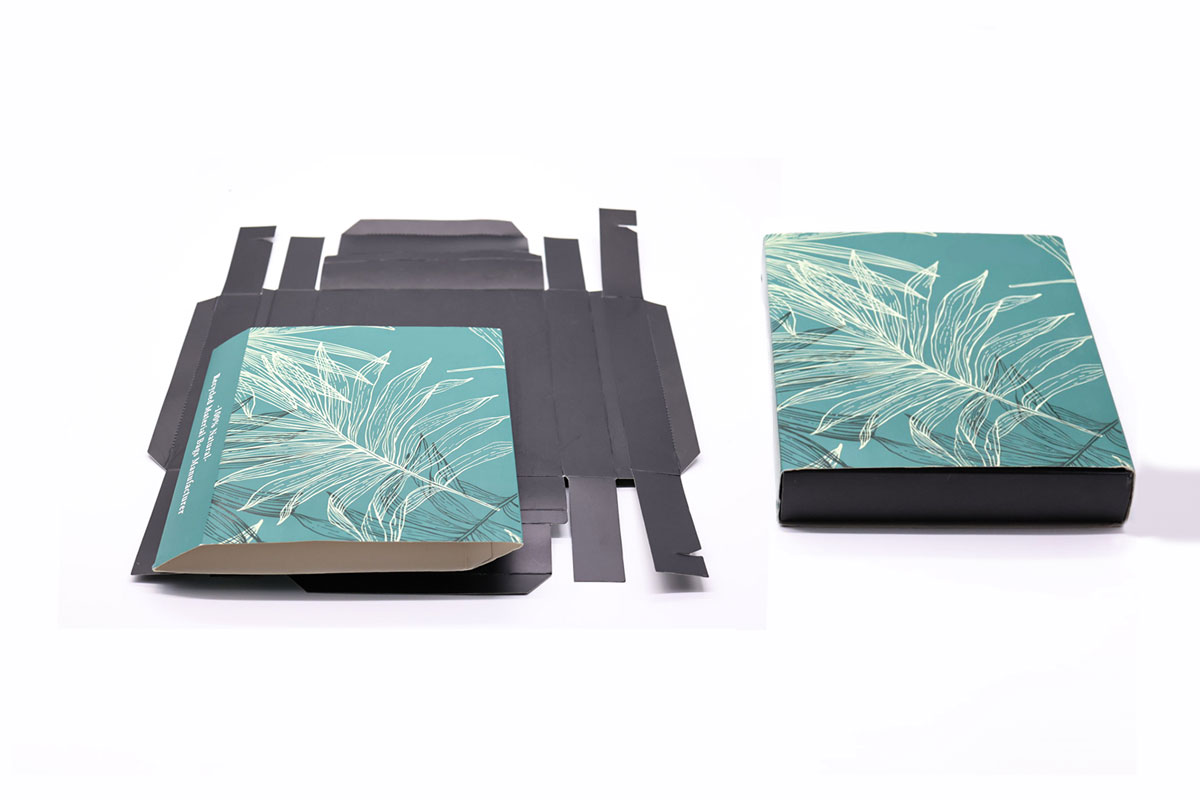
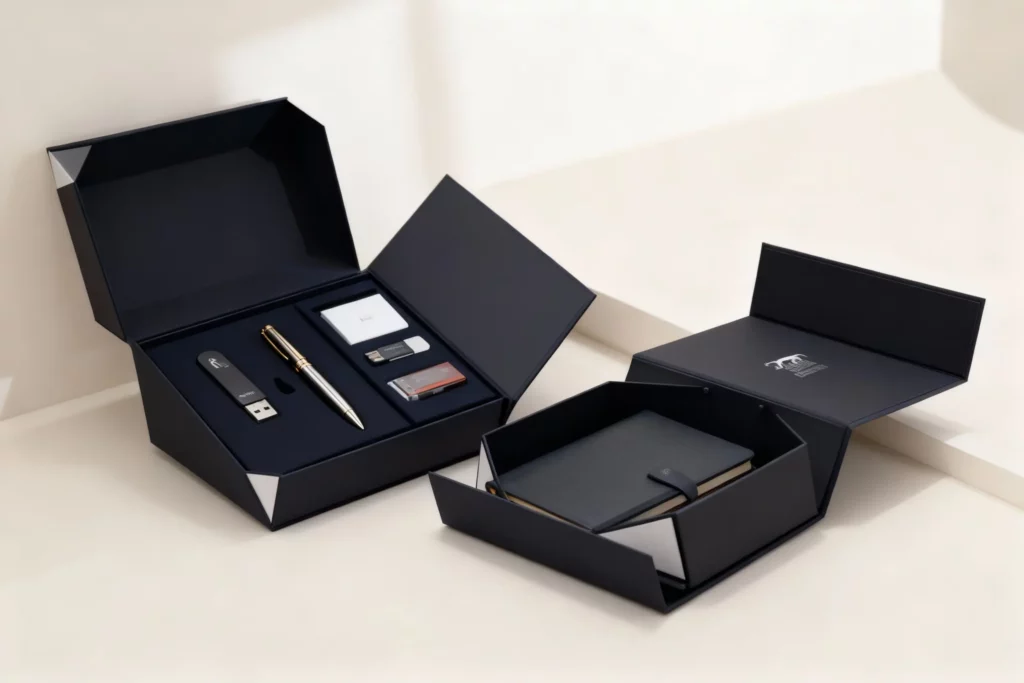
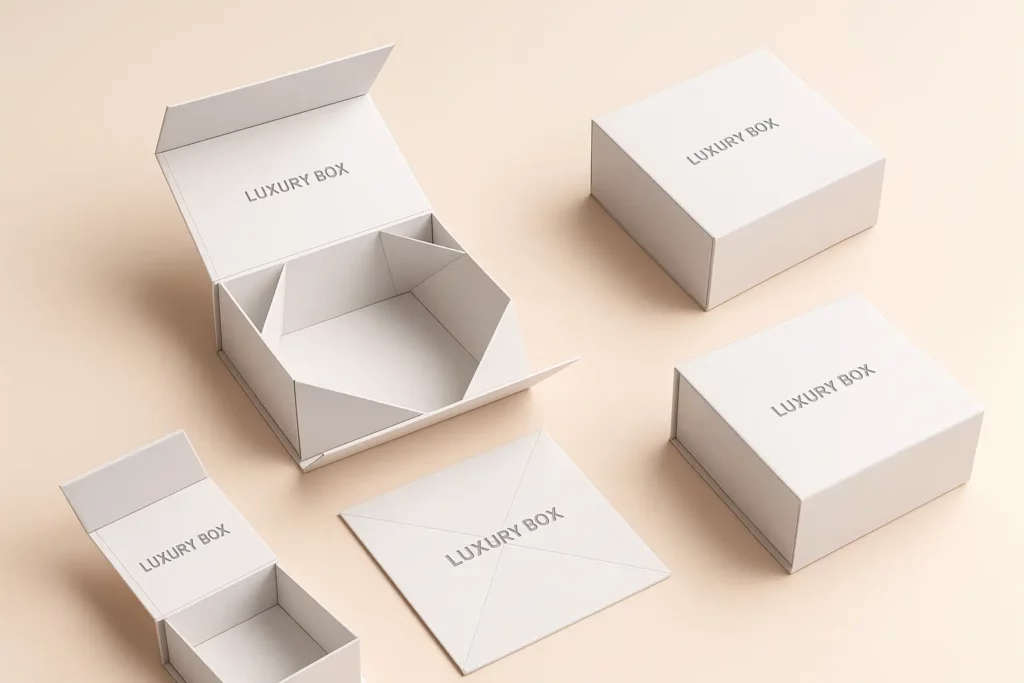
Collapsible rigid boxes are attractive because they can reduce storage and freight volume while keeping a premium presentation after setup. The quote risk appears when the RFQ says flat shipping but does not say who assembles the box, how long setup may take, or whether the buyer needs retail-ready pack-out from the factory.
That is why the article links back to the custom collapsible boxes page. The money page explains the product route; this support post makes the assembly route quotable.
Factory assembly
Ecoicolor assembles and packs before shipment when retail-ready arrival matters more than freight saving.
Buyer warehouse setup
Flat boxes ship to the buyer, and the buyer plans labor, setup space and inspection.
Mixed route
The supplier confirms structure and pack-out samples, while the buyer handles final kit assembly.
Define the route before asking for final price
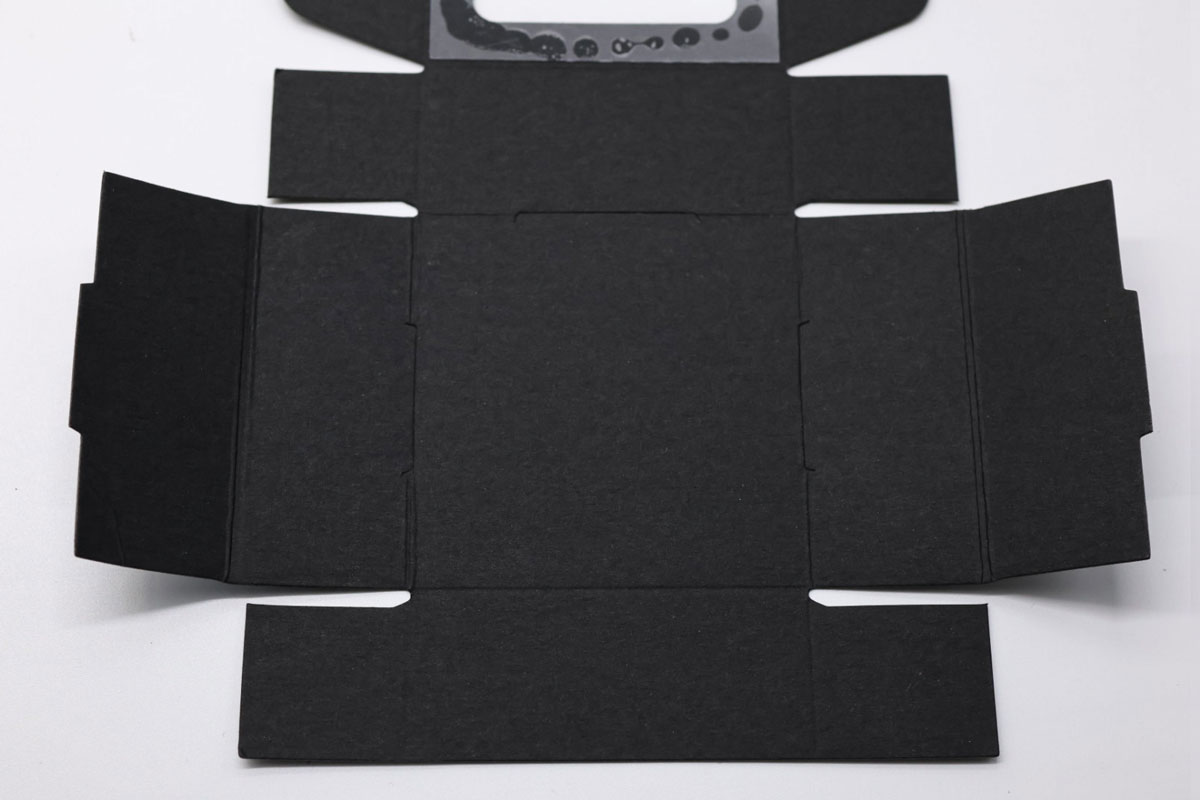
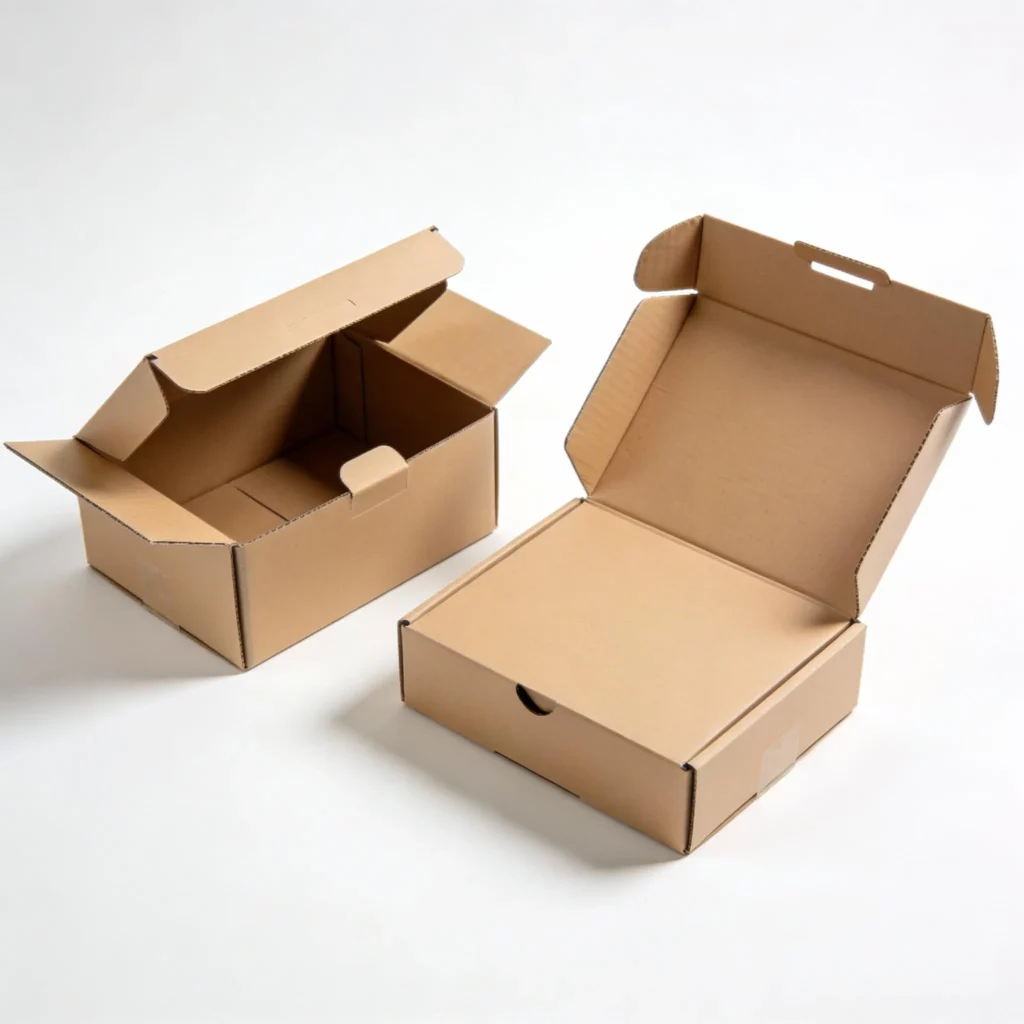
Flat shipping affects more than carton volume. ISTA packaging test procedures1 gives useful transport-test context, but the RFQ still needs to define setup route, closure method, insert fit and carton packing before a quote can be compared fairly.

Flat shipping, insert fit and retail pack-out must stay connected
A collapsible box can save volume but still fail if the setup step changes the insert position. For beauty kits, fragrance sets or premium gift products, confirm the assembled box with the real product map and then check whether retail labels, barcodes and carton packing still work.
When paperboard material support is required, FSC chain-of-custody documentation2 can support document conversations by project scope. If the set needs barcode or retail identification, GS1 barcode planning3 helps frame barcode planning, but label position should be approved on the assembled box.
Best fit and less suitable buyers
Best fit
Beauty, fragrance and gift-set brands planning MOQ 1000+ rigid boxes and comparing freight volume with retail-ready setup.
Less suitable
Single-piece requests, no product map, no assigned assembly owner, no launch timeline, or buyers comparing only flat-pack unit price.
Before RFQ
Share product map, assembled size, flat size target, closure route, insert need, retail packing route and delivery country.

Related in this shaped and collapsible box series
For tooling and MOQ decisions
For sample risk checks
FAQ
Why choose a collapsible rigid box?
It can reduce shipping and storage volume while keeping a premium rigid-box presentation after setup.
What is the main RFQ risk?
The main risk is unclear assembly responsibility: factory pre-assembly, buyer warehouse setup, or retail pack-out each changes cost and inspection.
What MOQ applies?
Custom collapsible rigid boxes should normally be planned from MOQ 1000.
Should inserts be approved before assembly route?
Insert fit and product map should be checked before the assembly route is locked, because setup can change cavity position and lid behavior.
Is this the same as a flat-fold shipping checklist?
No. This article focuses on assembly responsibility, setup time and retail pack-out rather than only freight savings.