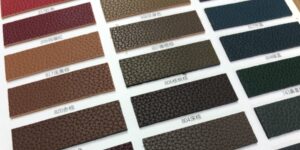
Use this procurement guide to brief recycled bag materials for cosmetic bags, toiletry pouches, retail totes and soft packaging programs. A useful RFQ should connect certificate scope, material swatches, claim wording, sample approval, retailer ESG files, QC and delivery timing before the supplier quotes.

Recycled materials can be a useful route for sewn bags, but buyers should not treat the word “recycled” as the whole specification. The supplier still needs to know the fabric source, certificate scope, color, handfeel, logo method, lining, zipper, sample route and what wording the brand plans to use in retail or ESG files.
Need recycled material claims checked before quotation?
Send Ecoicolor your bag type, material target, certificate needs, claim wording, sample deadline and retailer file request. We will review the material route before pricing.
Send a Packaging Brief Compare Materials and PrintingBuyer Summary
For recycled bag materials, buyers should ask suppliers to define the material route, recycled content basis, certificate scope, component coverage, claim wording, swatch approval, sample route, QC points and retailer ESG file support. The safest procurement approach is to approve material claims only after the certificate scope and component list are clear.
What to Prepare Before Requesting a Quote
Prepare these details before asking for recycled material pricing:
- Bag type: cosmetic pouch, toiletry bag, retail tote, drawstring bag, dust bag or travel kit.
- Material route: recycled cotton, recycled polyester, recycled nylon, recycled PU route or blended fabric.
- Component scope: outer fabric, lining, zipper tape, puller, label, thread, trim and packaging components.
- Certificate needs: GRS, OEKO-TEX, FSC for paper components, supplier audit files or retailer-specific forms.
- Claim wording: the exact wording your brand wants to use on product pages, hangtags, cartons or ESG files.
- Swatch needs: color, thickness, texture, handfeel, shrinkage, lining compatibility and logo test.
- Sample route: material swatch, blank sample, logo sample and pre-production sample when needed.
- QC and packing: color tolerance, seam standard, zipper test, label placement, carton marks and ship-to country.
For related sewn bag planning, review Ecoicolor’s custom pouches and bags и cosmetic bag manufacturing.
For current rPET, recycled cotton and recycled nylon routes, review Ecoicolor’s recycled fabric options.
Recycled Bag Material RFQ Checklist
| RFQ detail | What to specify | Why it matters |
|---|---|---|
| Material route | Recycled cotton, polyester, nylon, PU route or blended fabric | Defines sourcing, handfeel, sample path and claim review |
| Certificate scope | Which components and supplier steps are covered | Prevents unsupported wording in retail or ESG files |
| Claim boundary | Exact wording for product page, hangtag, carton or submission | Keeps marketing language aligned with documents |
| Swatches | Color, texture, thickness, lining and logo compatibility | Confirms what the buyer is actually approving |
| Sample route | Blank sample, logo sample and pre-production sample | Checks sewing, size, logo method and material behavior |
| QC files | Color tolerance, seam, zipper, label, carton marks and file needs | Aligns inspection with the buyer’s channel requirements |
1. Start With the Component Scope
The first question is not only “Is the fabric recycled?” A buyer should ask which components are included in the material claim and which are outside the claim.
Clarify:
- Outer fabric.
- Lining.
- Zipper tape.
- Puller and hardware.
- Thread.
- Woven label or care label.
- Hangtag, tissue, sleeve or paper insert.
- Carton and shipper requirements.
If the claim applies only to the main fabric, say that clearly in the RFQ and in the final wording. If the buyer needs a broader claim, the supplier needs to review more components before sampling.
2. Ask for Certificate Scope, Not Just a Certificate Name
A certificate name alone is not enough. The buyer should understand what the file covers, which company or facility it names, which material route it supports, and whether it is suitable for the buyer’s sales channel.
Ask:
- Which certificate or audit file is available.
- Which supplier entity, factory or material supplier is named.
- Which material or component is covered.
- Whether transaction or batch-level documents are needed.
- Whether retailer submission forms require extra fields.
- Whether the file language matches the buyer’s claim wording.
For broader material planning, Ecoicolor’s materials and printing methods guide can help compare paper, fabric and print routes.
3. Write Claim Boundaries Before Artwork Approval
Claim wording should be written before hangtags, labels, product pages and cartons are approved. This avoids revising artwork after the legal, retail or ESG team reviews the documents.
Useful RFQ wording can include:
- “Please confirm which component this material claim applies to.”
- “Please list documents available for retailer review.”
- “Please advise whether this wording is supported by the file scope.”
- “Please show one safer claim wording option if the requested wording is too broad.”
- “Please separate certified components from non-certified trims.”
Avoid broad or absolute claims unless the buyer already has documents and internal approval to support them.
Need to check swatches, samples and file scope?
Review material swatches, sample route, claim wording and certificate scope before approving recycled bag materials for production.
Check MOQ and Sample Route View Pouches and Bags4. Approve Swatches Before Confirming Logo Method
Material swatches are the bridge between certification and product quality. A fabric can meet a file requirement but still feel too stiff, too thin, too textured or too difficult for the chosen logo method.
Check swatches for:
- Color and tone.
- Thickness and structure.
- Handfeel.
- Wrinkle behavior.
- Lining compatibility.
- Print, embroidery, patch or heat-transfer result.
- Odor, surface marks and color consistency.
Do not approve the final logo method from a digital mockup alone. Test the logo on the selected material route when possible.

5. Connect Material Choice to Bag Construction
Recycled cotton, recycled polyester, recycled nylon and recycled PU routes behave differently when cut and sewn. The buyer should connect material choice to bag construction instead of treating the material as a standalone decision.
Review:
- Bag size and capacity.
- Gusset, handle, pocket or divider needs.
- Lining and zipper route.
- Seam allowance and stitch density.
- Whether the fabric holds shape or collapses.
- Whether the product is packed empty or filled.
- Whether carton compression affects the finished bag.
For cosmetic pouch projects, Ecoicolor’s cosmetic bag manufacturing page can help compare sewn bag routes.
6. Prepare Retailer ESG Submission Support
Retailer ESG requests can involve more than one certificate. Buyers may need product photos, material descriptions, supplier details, audit files, component lists, carton information and claim wording review.
Prepare:
- Material name and composition.
- Supplier or factory file list.
- Component coverage table.
- Product photos and sample references.
- Claim wording and where it appears.
- Carton and packing notes.
- Any retailer form fields that must be completed.
Share these requirements before sampling. If the supplier sees the file request too late, the buyer may need to revise claims, labels or launch timing.
7. Define QC Around Material and Claim Consistency
QC should cover both product quality and document consistency. The inspection team can check the bag, but the procurement team should also confirm that the approved material route matches the quote and file package.
Inspection points can include:
- Material color and texture.
- Bag dimensions and tolerance.
- Seam straightness and stitch density.
- Zipper opening and puller attachment.
- Logo position and finish.
- Label placement and wording.
- Carton marks and packing method.
- Approved swatch versus bulk material.
- File package and claim wording version.
Keep the approved swatch, sample and claim wording together in the project folder so the buyer, supplier and QC team reference the same standard.
Buyer Checklist Before Bulk Approval
Before approving bulk production, confirm:
- Material route is named clearly.
- Component scope is documented.
- Certificate or audit file scope is understood.
- Claim wording is reviewed before artwork approval.
- Swatches are approved for color, handfeel and logo method.
- Sample fit, sewing and finish are approved.
- Retailer ESG file needs are listed.
- QC points include material, label, carton and file checks.
- Delivery timing includes swatches, samples, revisions, production, inspection and handoff.
FAQ
What should a recycled bag material RFQ include?
Include bag type, material route, component scope, certificate needs, claim wording, swatch request, sample route, QC points, retailer file needs, ship-to country and launch timing.
Why is certificate scope important for recycled materials?
Certificate scope shows which supplier, material or component is covered. Buyers need that detail before using claims in product pages, hangtags, cartons or retailer ESG submissions.
What is a claim boundary in bag material sourcing?
A claim boundary defines exactly what the material claim applies to. It may apply to the main fabric only, or to a wider component set if the documents support that broader wording.
Should buyers approve swatches before choosing logo methods?
Yes. Swatches help confirm color, texture, thickness, handfeel and whether the selected logo method works on the actual material route.
What files may retailers request for recycled material bags?
Retailers may request certificate or audit files, component scope, material descriptions, product photos, carton details, supplier information and the exact claim wording used in sales materials.
Ready to compare recycled bag material swatches?
Share your material target, claim wording, certificate needs, swatch request and retailer file requirements. Ecoicolor can review the route before production.
Request Material Swatches Compare Materials and Printing